Introduction: Finding Inner Peace Amidst the Noise
Are you feeling tense and unable to truly relax, surrounded by work, information, and daily chores every day? Actually, relaxation doesn't require complex techniques or large chunks of time. By cultivating a few simple daily habits from the perspective of traditional Chinese medicine and mind-body balance, you can gently smooth out emotional turbulence, like a gentle hand, allowing you to feel peaceful and comfortable every day. The following are five verified "holistic calmness habits" that will help you gently ease tension and return to inner tranquility.
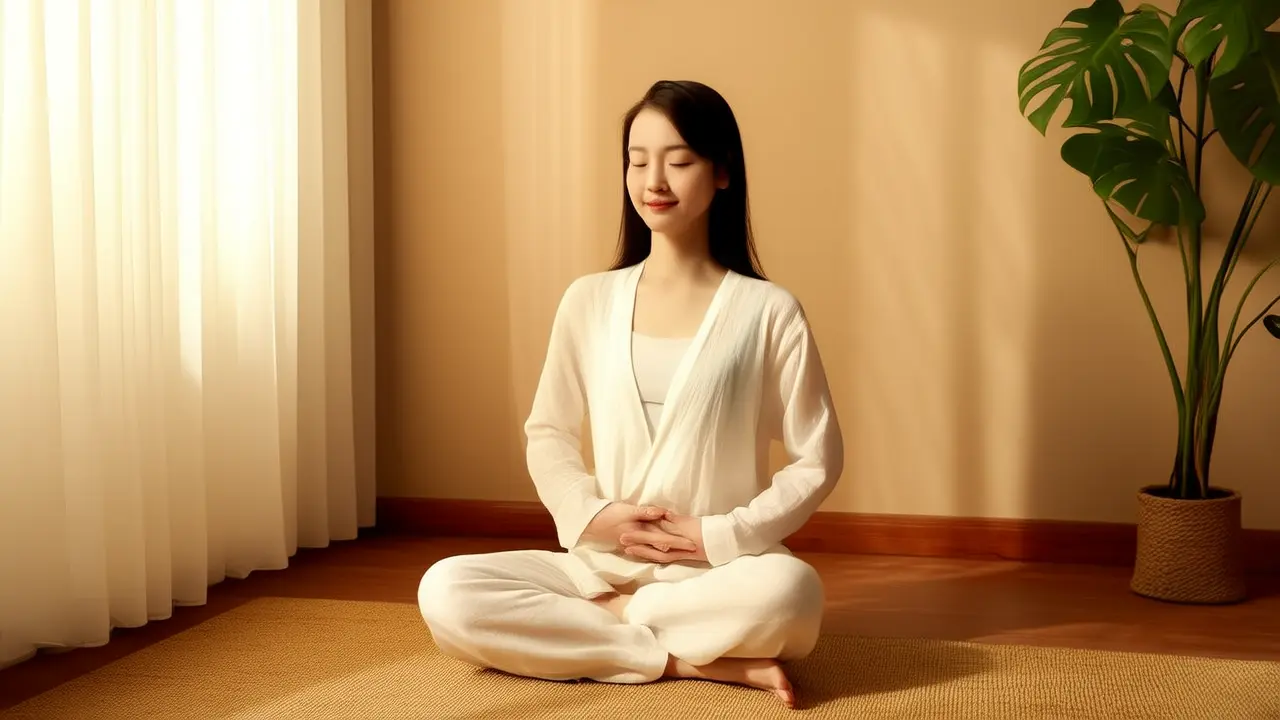
1. Three-Minute Abdominal Breathing upon Waking Up — Regulate Qi and Calm the Mind
Applicable Scenarios: When you first wake up in the morning, or when feeling anxious or mentally scattered. Practice: Sit or lie down, place your hands lightly on your abdomen, inhale slowly through your nose, feeling your belly rise; then exhale slowly through your mouth, letting your belly contract. Repeat 5-10 times. This movement activates the parasympathetic nervous system, lowers heart rate, and promotes blood circulation, aligning with the traditional Chinese medicine principle of "Qi as the commander of blood," facilitating a peaceful start to the day.
2. "Slow Walking" After Lunch — Guide Yang into Yin
Applicable Scenarios: During breaks after lunch, when feeling tired or stressed. Spend 10 minutes walking slowly indoors or outdoors, as if "walking on clouds." The key is not how far you go, but coordinating your breathing: inhale while taking 4 steps, exhale while taking 4 steps. Traditional Chinese medicine believes that "movement generates Yang," and moderate slow walking can enhance Yang energy without depleting it, balancing the previous stagnation of Yin energy, helping emotions return to clarity.
3. "Three-Second Observation" While Drinking Water — Harmonize Water and Fire
Applicable Scenarios: Anytime you want to drink water, especially when feeling impatient or thirsty. Pick up your water glass, first observe the color and light of the water, feel the temperature of the glass, then take a small sip, hold the water in your mouth for 2 seconds before swallowing. This brief mindful ritual breaks automatic response patterns, allowing the heart and kidneys to connect (the traditional Chinese medicine concept of "harmonizing water and fire"), quickly reducing stress levels and transforming emotions from "tense" to "gentle."
4. "Gazing at Clouds by the Window" in the Evening — Soothe the Liver and Alleviate Depression
Applicable Scenarios: Between 5-7 p.m., when fatigue accumulates and irritability arises. Stand by the window or balcony, keep your body relaxed, and gaze into the distance at the sky or trees, naturally blinking but not focusing intentionally. Sustain this for 5 minutes, coordinating with even breathing. Traditional Chinese medicine believes that "the liver governs dispersion," and distant viewing helps relieve liver qi stagnation, allowing accumulated anxiety to quietly dissolve with each breath.
5. "Gentle Joint Exercises" Before Bedtime — Nourish Blood and Promote Sleep
Applicable Scenarios: 30 minutes before bedtime, when the body feels stiff or thoughts are active. Lie flat on your back, and perform the "tense-relax" exercise from your toes to your fingers: forcefully curl your toes inward for 5 seconds, then instantly release completely, feeling the warmth of blood returning; then relax your calves, thighs, abdomen, shoulders, palms, and face. Repeat each area twice. This actively releases deep muscle tension, guiding blood and Qi back to their proper places, helping you enter deep restorative sleep.
Summary: Calmness is Daily Self-Nurturing
True relaxation isn't a one-time "repair," but rather, through these small habits, your body and emotions are gently treated every day. Whether it's breathing, walking, drinking water, gazing at clouds, or joint relaxation, they all follow a core principle — granting your mind and body permission to "pause" in the present moment. After practicing for some time, you'll find that fluctuations in life no longer easily disturb you, because you've already built an inner sanctuary of tranquility. Start today, choose one habit, and give it a try.
Disclaimer: The content of this article is for knowledge sharing and reference on healthy living, and does not constitute medical diagnosis or treatment advice. If you have persistent physical or mental discomfort, please consult a professional physician promptly.