Introduction
Modern life is fast-paced and stressful, often leaving us caught in anxiety and fatigue. Mindfulness practices originating from the East can help you regain long-lost tranquility and balance through the aroma of tea, breathing, and silence. The following five simple methods incorporate the concepts of yin-yang harmony and mind-body balance, helping you regain inner peace with just a few minutes each day.
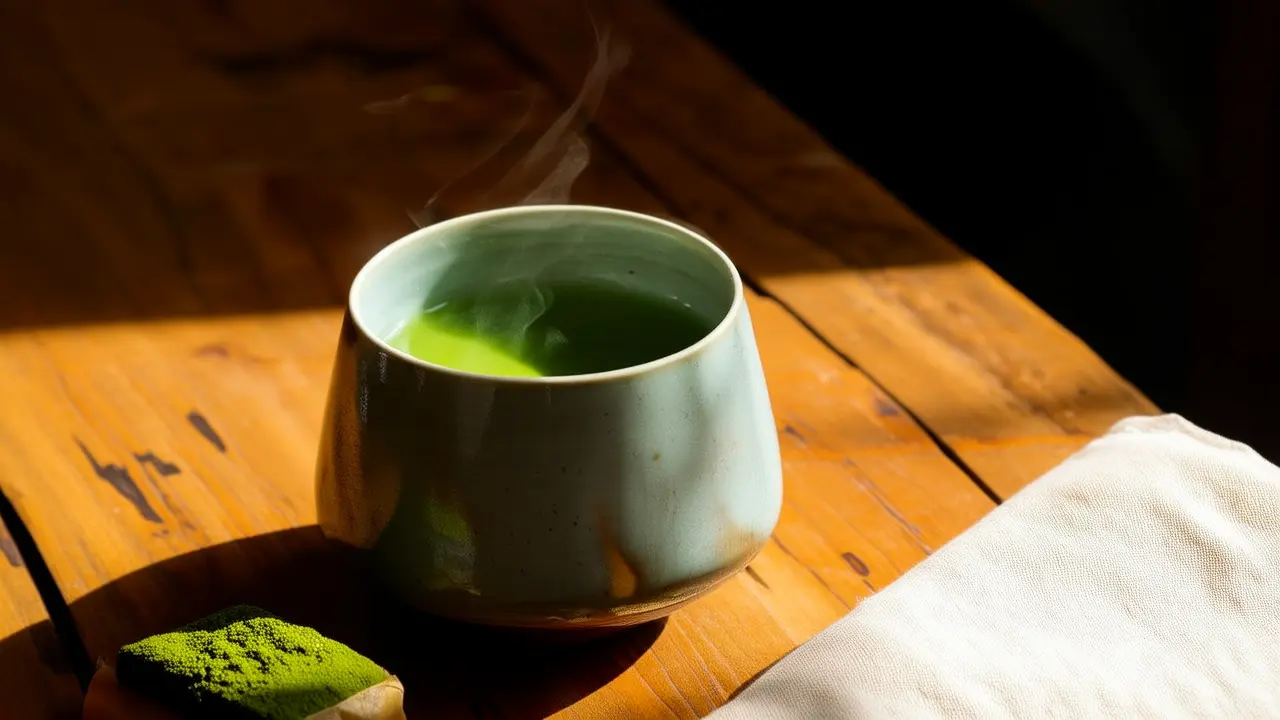
1. Tea Ceremony: A Slow Sip as a Mirror to Calm the Mind
Tea brewing is not merely about drinking tea; it's also a mindfulness practice. Choose green or white tea, and slowly brew it with water at 85°C. Focus on the water being poured, the tea leaves unfurling, and the color of the infusion changing. Hold the cup with both hands, smell the fragrance, take small sips, and feel the warmth and sweetness of the tea on your tongue. According to traditional Chinese medicine, tea can clear the heart and reduce internal heat. Combined with a slow pace, it can soothe liver qi and calm the nerves. When feeling anxious, spend ten minutes brewing a pot of tea, letting the actions replace your thoughts.
2. Meditation: Five Minutes of Breathing to Balance Yin and Yang
You don't need to sit cross-legged; simply sit on a chair. Close your eyes and focus your attention on the breath entering and exiting beneath your nose. Inhale while silently reciting "calm," and exhale while silently reciting "balanced." If your mind wanders, gently bring it back. Do this for five minutes each morning and evening. This simple breathing technique can lower cortisol (the stress hormone) and promote parasympathetic nervous system activity, achieving internal balance between yin and yang. When tension arises, it becomes your portable calming agent.
3. Morning Stretching: Awakening the Meridians, Relieving Emotions
After waking up, avoid intense exercise and instead do gentle stretching: raise your arms overhead, bend sideways, and twist your spine. Hold each movement for three to five seconds while coordinating with your breath. Traditional health practices believe that morning stretching can unblock meridians, allowing the flow of qi and blood to transition from stillness to motion, thus enabling a peaceful start to the day. If you often feel stiff shoulders and necks or inexplicable irritability, this habit can help you release accumulated tension.
4. Mindful Walking: Every Step in the Present Moment
While walking, don't wear headphones or look at your phone. Focus on the contact between your feet and the ground: the ball of your foot, the sole, and the heel touch the ground in sequence. Feel the movement of your body and the sensation of the wind. As the ancients said, "Walking like the wind" does not mean moving quickly, but rather moving lightly and steadily. This method can balance the energy between upper and lower parts of the body. When your mind is chaotic, a ten-minute walk is more effective than random thinking.
5. Burning Incense or Smelling Incense: Calming the Mind Through Smell
Light a piece of sandalwood or agarwood incense and place it in a safe location. Find a comfortable position, close your eyes, and let the fragrance fill the space. Pay attention to the trajectory of the incense smoke, gathering scattered thoughts into this single fragrance. In traditional Chinese medicine, the scent is believed to "open the orifices, awaken the spirit, and promote the circulation of qi and blood." When feeling down or an hour before bedtime, smelling incense can reduce sympathetic nervous system excitement, bringing a calm sense of balance.
Summary
The five Eastern mindfulness habits—tea ceremony, meditation, stretching, mindful walking, and incense smelling—require no expensive tools or large amounts of time. With daily practice, you will find that inner tranquility is not out of reach. They are the ancient wisdom given to modern people as a remedy for body and mind: finding your own balance point between speed and slowness, movement and stillness.
Disclaimer: The content of this article is for sharing health knowledge only and does not constitute medical advice. If you have severe emotional or health issues, please consult a professional doctor or mental health practitioner promptly.