Introduction
In today's fast-paced life, emotional fluctuations come and go like tides naturally, but prolonged tension and anxiety may disrupt inner balance. Do you long for a simple, daily way to help your mind and body rediscover that sense of calm and peace? Start with a warm cup of tea, followed by a few deep breaths. In fact, you can create a personalized daily routine for emotional balance. No complex techniques are needed; just a few small habits can help your mind and body return to harmony.
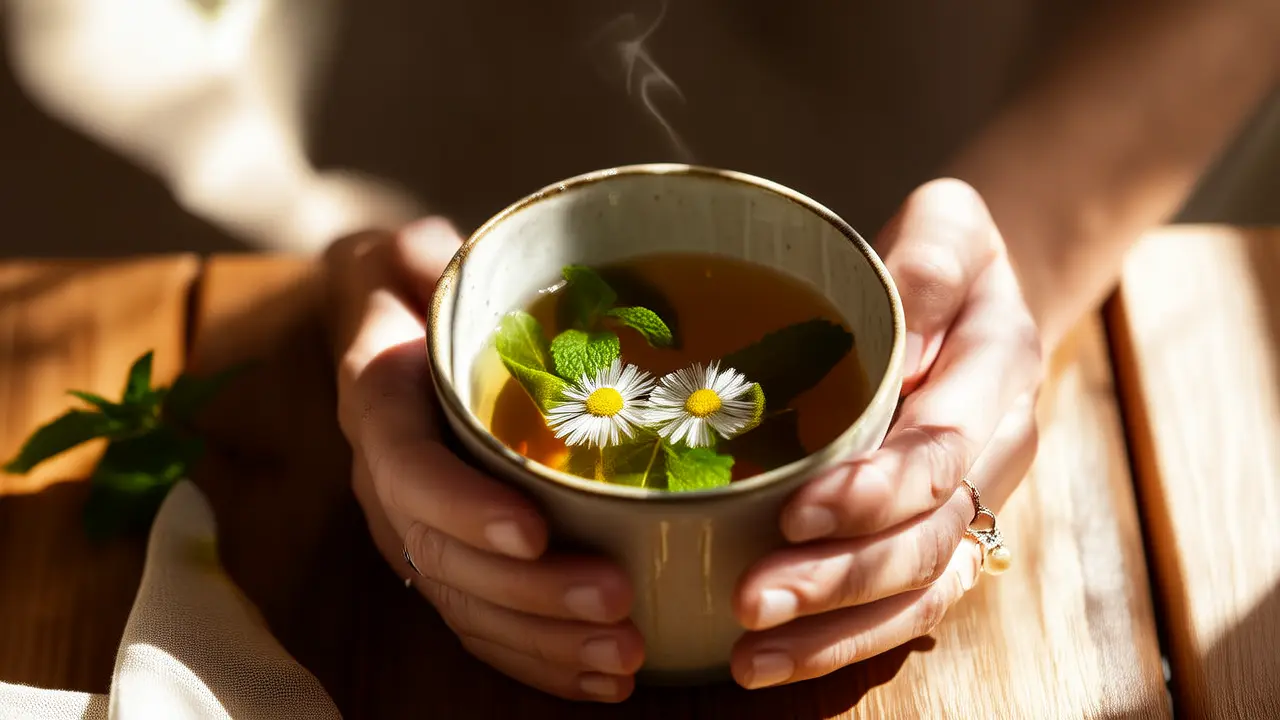
A Cup of Tea: An Inner Peace Ritual
Tea is not only a drink, but also a medium for calming the mind. Choose a mild herbal tea (such as chrysanthemum, rose, or lavender), and during the brewing process, observe how hot water blends with the tea leaves, and smell the fragrant steam rising. This simple ritual helps you detach from chaotic thoughts and gradually relax tense nerves. According to traditional Chinese medicine, tea has a balanced nature that harmonizes yin and yang and relieves stagnation. Spending 5 minutes each day focusing on brewing and sipping tea is a gentle comfort for the mind.
Applicable for Emotional Discomfort:
When you feel restless, agitated, or unable to concentrate.
Steps to Follow:
- Prepare a cup of your favorite herbal tea, with water temperature around 80°C.
- Hold the cup with both hands and feel the warmth of the cup wall.
- Close your eyes, take a deep breath, smell the tea aroma, and exhale slowly.
- Sip slowly, allowing the tea to moisten your throat and chest cavity.
- During the entire process, try not to do anything else, just be with this cup of tea.
Mild Adjustment Principle:
The aromatic substances in the tea and the warmth can relax muscles and slow down the heart rate. The process of brewing and sipping tea is a form of "mindfulness" training, bringing attention back to the present moment, breaking the cycle of negative thoughts, thus achieving emotional calmness.
Deep Breathing: An Emotion Regulator Anytime, Anywhere
Respiration is a bridge connecting the body and the mind. When we are stressed, our breathing becomes shallow and rapid; however, actively adjusting our breathing can directly soothe the autonomic nervous system. The simplest "4-7-8 breathing method" or "abdominal breathing" can bring a sense of relaxation within a few minutes. Traditional Chinese medicine emphasizes that "Qi is the commander of blood," and deep breathing can enhance the flow of internal energy, balance yin and yang, and allow turbulent emotions to return to calm.
Applicable for Emotional Discomfort:
When suddenly feeling panicked, angry, or overwhelmed by pressure.
Steps to Follow:
- Find a quiet place, sit or stand as you prefer.
- Breathe in slowly through your nose, counting 4 seconds mentally.
- Hold your breath, counting 7 seconds mentally (shorten if uncomfortable).
- Exhale slowly through your mouth, counting 8 seconds mentally.
- Repeat 3-5 times until you feel your body relax.
Mild Adjustment Principle:
Extending the exhalation time activates the parasympathetic nervous system, lowers heart rate and blood pressure, and allows the body to switch from the "fight or flight" mode to the "rest and digest" mode. Regular practice can also increase lung capacity and improve emotional stability.
Summary
Creating a personalized routine for emotional balance does not require expensive courses or complicated plans. A cup of tea, a deep breath—these are all easily accessible tools. Incorporate them into your morning and evening routines or moments of emotional distress, and gradually cultivate inner stability and peace. Remember, true balance comes from daily small efforts. Start today, give yourself a few minutes, and gently comfort your mind and body with the fragrance of tea and breathing.