Introduction: The Cycle of the Four Seasons, the Body's Own Rhythm
Have you noticed that every time the seasons change, you tend to feel tired, catch a cold, or experience low mood? According to Traditional Chinese Medicine, the human body is closely connected with the four seasons. Adjusting your body according to the seasonal changes can help us transition smoothly and reduce discomfort. This article shares gentle tips from HEQI's four-season health care — doing just one simple thing each season can make your body and mind more comfortable.
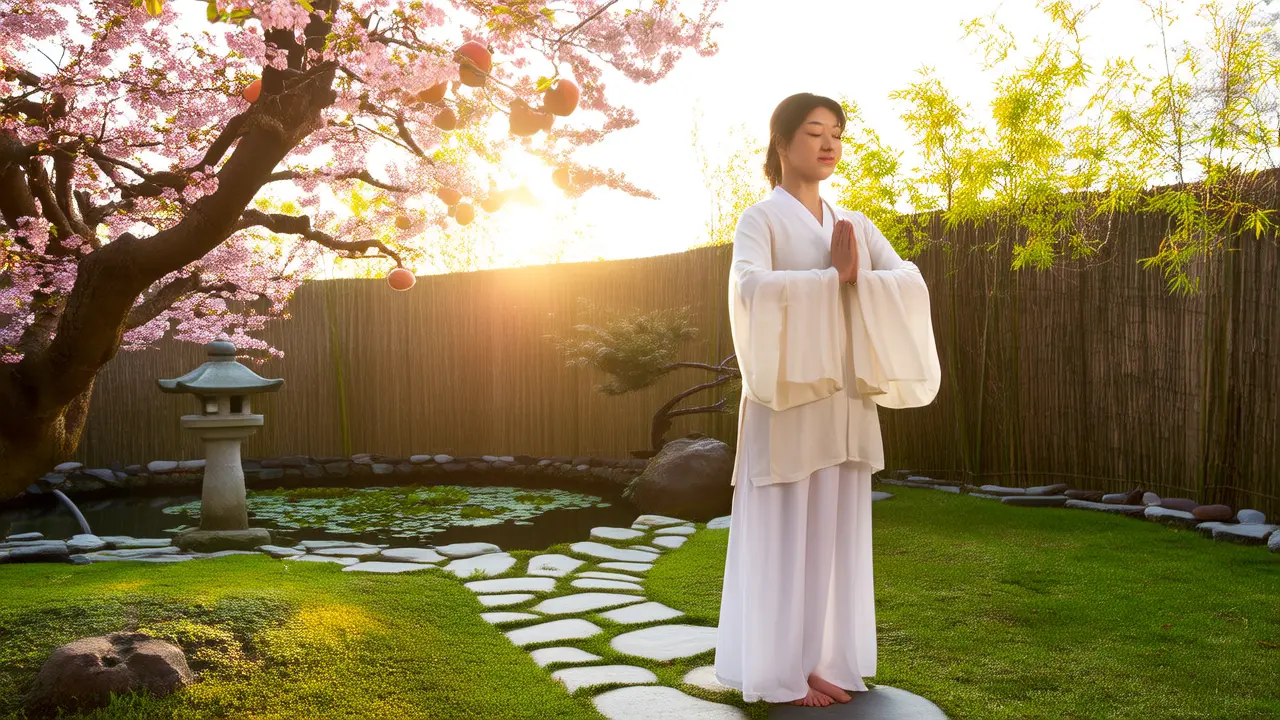
Spring: Brushing Hair in the Morning to Soothe the Liver
Spring is the season of growth, corresponding to the liver. However, the weather in spring is often unpredictable, making it easy for liver qi stagnation, leading to irritability, headaches, or allergies. A simple action can relieve this: use a wooden comb to brush your hair from the forehead to the back of the neck 100 times every morning, gently. The head has many meridians and acupoints; brushing your hair can promote blood circulation, relax the scalp, and help the liver qi rise smoothly. After a week of practice, you will feel more alert and emotionally balanced.
Summer: Closing Your Eyes at Noon to Nourish the Heart and Calm the Spirit
Summer is hot, and the heart fire tends to be excessive, causing insomnia, dry mouth, irritability, and restlessness. At this time, following the principle of "summer nourishing the heart," find a shady place every day between 11 a.m. and 1 p.m. to close your eyes and rest for 15 minutes. Close your eyes, relax your shoulders and arms, focus on your breathing, and do nothing else. This short "noon nap" can lower your heart rate, give your heart a chance to recharge, and improve your energy in the afternoon, as well as reduce the risk of heatstroke.
Autumn: Boiling Pear Water to Moisturize the Lungs and Prevent Dryness
Autumn is a season of dryness, and the lungs are particularly sensitive to dryness, often resulting in dry coughs, dry skin, and sore throats. Eat one steamed snow pear every afternoon: remove the core of the pear, add a few pieces of rock sugar and some Fritillaria powder (optional), and steam it for 20 minutes. Pears moisturize the lungs and clear heat; after steaming, their nature becomes milder, which won't harm the spleen and stomach. Drinking the soup and eating the pear can significantly relieve the discomfort caused by autumn dryness, and your respiratory tract will feel much better.
Winter: Soaking Feet to Warm the Body and Nourish the Kidneys
Winter is cold and corresponds to the kidneys. Many people suffer from cold hands and feet, frequent urination at night, and soreness in the waist and knees. Soak your feet in hot water for 15 minutes before bedtime, ensuring the water covers your ankles. You can add three slices of ginger or a handful of dried mugwort. Stop when your back starts to sweat slightly. The soles of the feet are the starting point of the kidney meridian; hot water stimulation can warm the kidney yang, promote blood circulation, and improve sleep quality. Your hands and feet will be warm when you wake up the next day.
Summary: Adjusting According to the Seasons Is the Smartest Way to Stay Healthy
The core of HEQI's four-season health care is "living according to the seasons." These small habits are simple, safe, and cost-free. As long as you stick to one simple action per season, you can clearly feel the changes in your body. There's no need to pursue complexity; ten minutes a day is enough to take good care of yourself through the changing seasons.
Disclaimer: The content of this article is for sharing health knowledge only and cannot replace professional medical advice. If you have severe symptoms or chronic diseases, please consult a doctor. The mentioned methods are all for daily regulation and do not involve diagnosis or treatment.