Introduction: Why Gentle Exercise Benefits the Heart
In modern life, the pace is fast and stress is inevitable. Many people long for a simple and safe way to relax and regain calmness right at home. In fact, the answer may be right in front of you — through gentle exercises such as Tai Chi, Baduanjin, yoga, or simple stretching, you can achieve physical and mental balance and inner tranquility. These exercises do not focus on intensity but emphasize breathing, rhythm, and body awareness, perfectly aligning with the traditional Chinese medicine concept of "calming the mind and nurturing energy."
The Relationship Between Gentle Exercise and Physical and Mental Balance
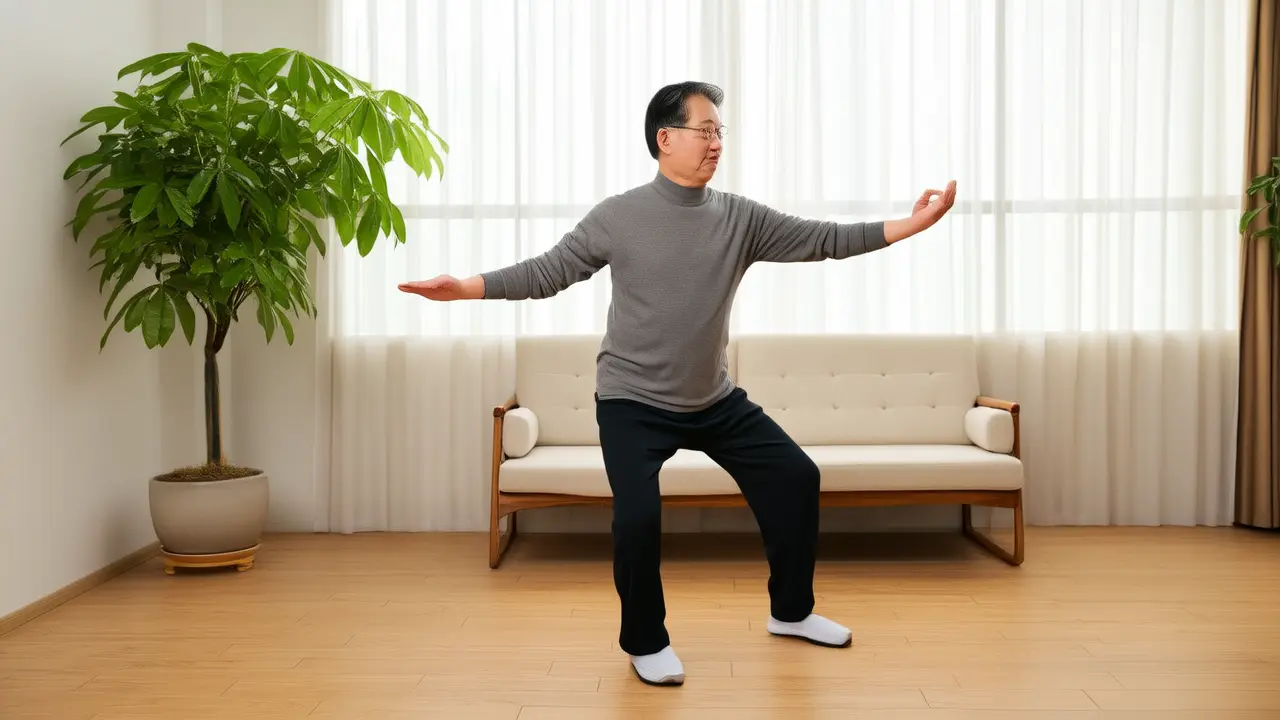
Traditional Chinese medicine believes that the core of health lies in "harmony between Yin and Yang." When a person is constantly tense and anxious, excessive Yang energy and insufficient Yin energy can lead to insomnia, irritability, and fatigue. Gentle exercise, with its slow and continuous movements combined with deep breathing, can guide the flow of Qi and blood, unblock meridians, and return the body to a state of "Yin peaceful and Yang secure." Western research also shows that these types of exercises can reduce cortisol (stress hormone) levels and increase endorphins (happiness hormones), thus bringing a sense of relaxation and joy.
Practical Tips: A 5-Minute "Calm Mind Stretch" at Home
No equipment is needed, and just 5 minutes a day can effectively relieve emotional discomfort. Here are the steps:
- Preparation: Find a quiet corner, wear loose clothing, stand with your feet shoulder-width apart, let your hands hang naturally by your sides, and take three deep breaths with your eyes closed.
- Cloud Hands: Slowly move both arms in an arc to the left, shifting your weight to the left leg, with the right palm facing up as if holding a cloud; hold for 5 seconds, then repeat on the other side. Pay attention to making the movements smooth and continuous like flowing water, with your breathing deepening along with the movement.
- Final Posture: Bring your hands together in front of your chest, with fingertips pointing upward, and stand still for 1 minute, feeling the flow of energy within your body.
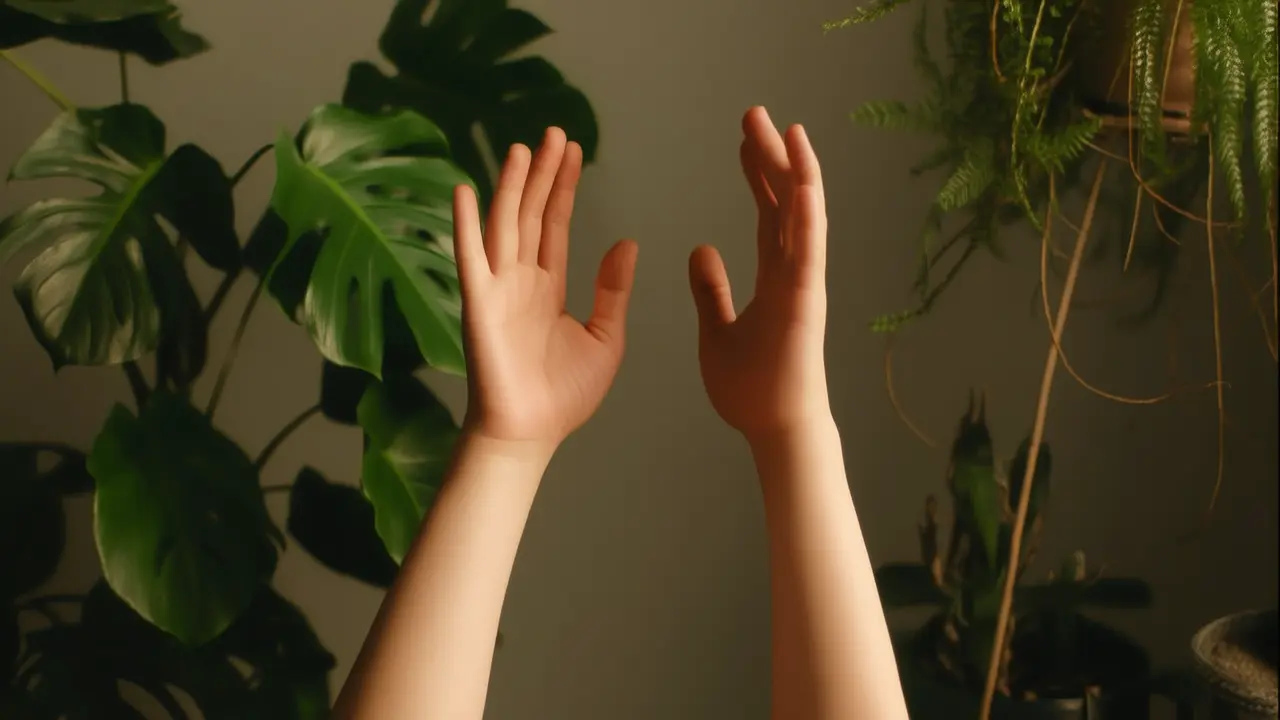
This simple movement originates from Tai Chi and is most effective in regulating Qi and blood circulation and alleviating anxiety.
Mild Adjustment Principle: Combining Movement and Stillness to Nourish Qi and Calm the Mind
The core of this tip lies in "using movement to cultivate stillness." The gentle movements do not consume energy, while deep breathing can replenish it. Traditional Chinese medicine often says, "Qi leads blood, and blood nourishes Qi." When Qi flows smoothly, stagnant emotions will also dissipate. At the same time, focused movements help you detach from chaotic thoughts and enter the present moment, which is the key to "calming the mind." With consistent practice over time, your emotions will become more stable, and your sleep will improve.
Summary
Nurturing the heart at home is not complicated; it can be done in the time it takes to have a cup of tea. Through a few minutes of mindful stretching each day, you can not only relax your body but also find inner peace. Remember, achieving physical and mental balance is a gradual process, and consistency is key. Start today and try this simple tip, turning your home into the best place for health and wellness.
(This article is for informational purposes only and does not constitute medical advice. If you experience severe discomfort, please seek medical attention promptly.)