Introduction: Your Body is Like the Four Seasons, It Needs Balance
Have you ever felt drowsy in spring, irritable in summer, dry-skinned in autumn, or cold in winter? This isn't because of your "poor constitution," but rather because your "Qi" isn't keeping up with the rhythm of the seasons. In traditional Chinese medicine, Qi is the flowing energy, and seasonal changes affect the movement of Qi. The good news is: you don't need a complicated health regimen. Just 10 minutes a day, a simple little ritual, can help your body regain balance, making you full of energy and calm throughout the day.
What is Qi Seasonal Balance?
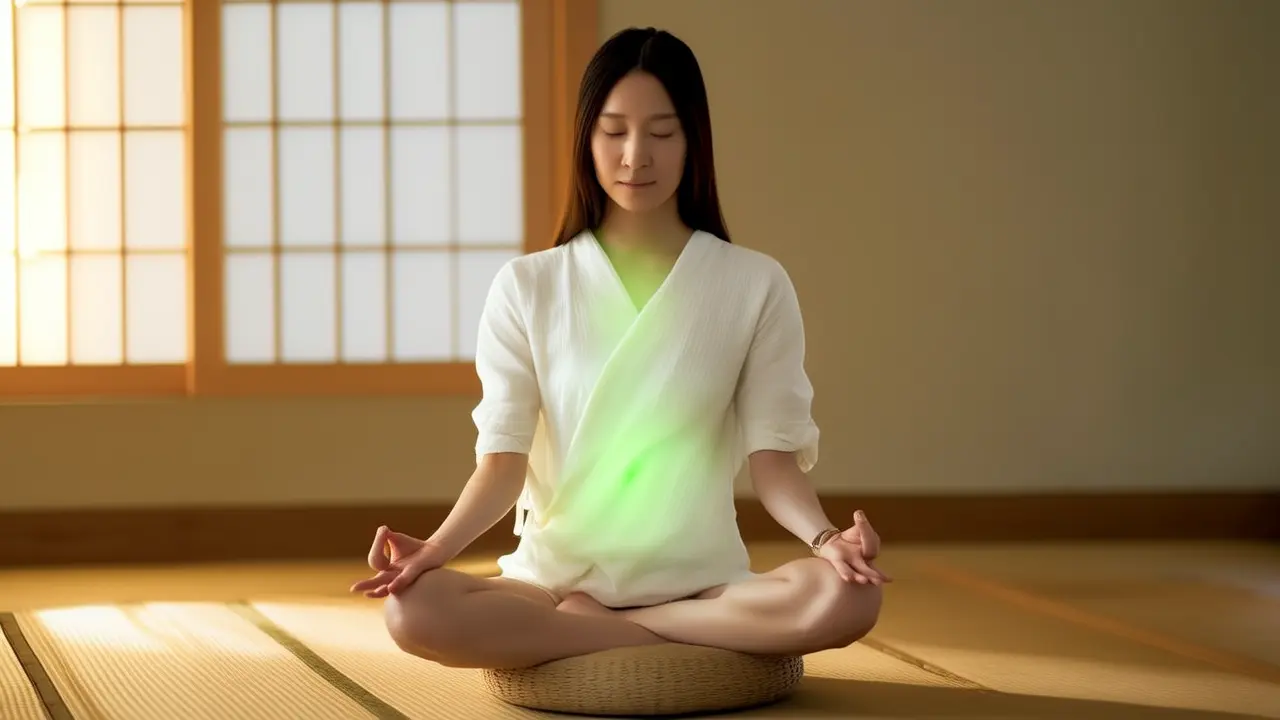
"Qi" refers to the "energy" in traditional Chinese medicine—the vital energy. It flows like a river within the body. In spring, Qi should rise; in summer, it should be vigorous; in autumn, it should be collected; and in winter, it should be stored. If the rhythm of Qi is disrupted, it will lead to discomfort specific to that season. The core of this technique is: through a simple daily ritual, help Qi follow the seasons, allowing your body to learn balance on its own.
Tip: Four Seasons Morning "Qi Adjustment Breathing Method"
This method works for all seasons, but each season has different breathing focuses. Every morning (or any time that suits you), spend 5-10 minutes doing the following steps.
Step One: Find a quiet corner, sit upright or stand
Keep your back straight, relax your shoulders, and place your hands naturally on your knees or abdomen. Close your eyes and take three natural breaths, feeling the air entering and leaving your body.
Step Two: Adjust your breathing according to the season
- Spring (Wood Qi Rising): Breathe in deeply through your nose, imagining the vitality of spring (green light) entering the liver area (under the right ribcage), then slowly exhale through your mouth, as if blowing away the heaviness of winter. Repeat 5 times.
- Summer (Fire Qi Vigorous): Imagine hot red light entering the heart (chest area) while inhaling, and imagine releasing irritability and heat from your fingertips while exhaling. Repeat 5 times.
- Autumn (Metal Qi Collecting): Imagine cool white light entering the lungs (side of the chest) while inhaling, and imagine sadness or dryness sinking down to the abdomen with the breath. Repeat 5 times.
- Winter (Water Qi Storing): Imagine warm blue light entering the kidneys (lower back) while inhaling, and imagine tension and cold sinking down along the spine to your feet while exhaling. Repeat 5 times.
Step Three: Finish with three deep breaths, returning to the present moment

No matter which season it is, finish with three even deep breaths: inhale for 5 seconds, hold for 3 seconds, exhale for 7 seconds. Then slowly open your eyes, gently rub your hands together, and place them over your eyes for 10 seconds.
Why This Little Ritual Works
In traditional Chinese medicine, the four seasons correspond to the five internal organs: spring corresponds to the liver (wood), summer to the heart (fire), autumn to the lungs (metal), and winter to the kidneys (water). By visualizing different colored lights and Qi, it can gently guide the flow of blood and Qi in the corresponding organs, relieving discomfort caused by the seasons (such as spring drowsiness, summer fatigue, autumn dryness, and winter cold). Breathing itself can regulate the autonomic nervous system, helping you shift from anxiety to relaxation. Repeating it every day is like adjusting your body's biological clock.
Summary: Simple Persistence Beats Complex Efforts
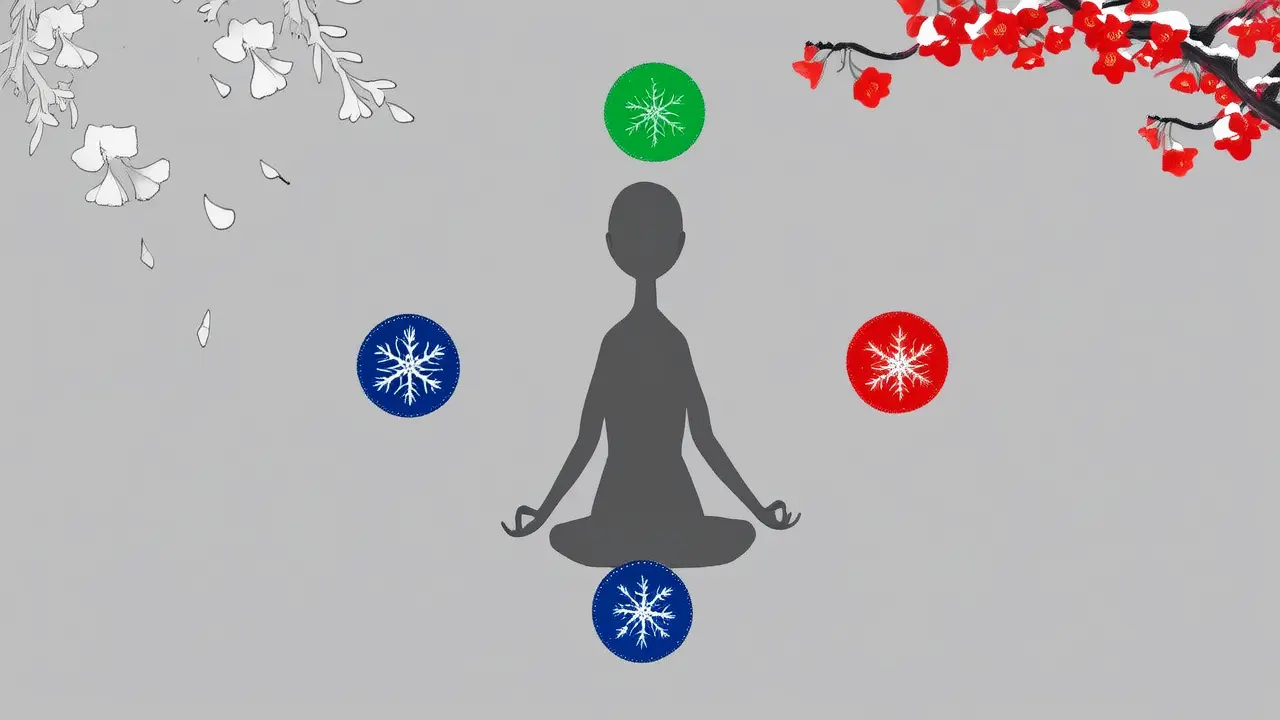
Health maintenance doesn't require major efforts. A 10-minute "Qi adjustment breathing method" every day can help you adapt to the seasons, allowing Qi to flow naturally. You may find that you have more energy in spring, are less irritable in summer, your skin isn't dry in autumn, and your hands and feet are warm in winter. The key is—gentle, safe, and can be done anytime, anywhere. Give it a try; your body will thank you.
Disclaimer: The content of this article is for general health knowledge sharing only and does not constitute medical diagnosis or treatment advice. If you have severe physical discomfort, please consult a professional doctor promptly. Individual differences exist, so adjust according to your own feelings. For any health issues, please refer to professional medical advice.