Introduction: Finding Inner Peace in Breathing
In today's fast-paced life, anxiety and irritability often appear unexpectedly. How long has it been since you truly felt your own breath? Actually, the simplest way to relieve emotions is hidden in every breath we take. Today, we share a gentle Qi Cultivation (energy cultivation) daily practice for mental well-being - by adjusting your breathing, balancing your body and mind, and allowing emotions to return to peace and comfort. No equipment is needed, and it doesn't take much time. Just a few minutes each day can bring a sense of calm to your mind.
Step 1: Know Your Breath - From Chaos to Order
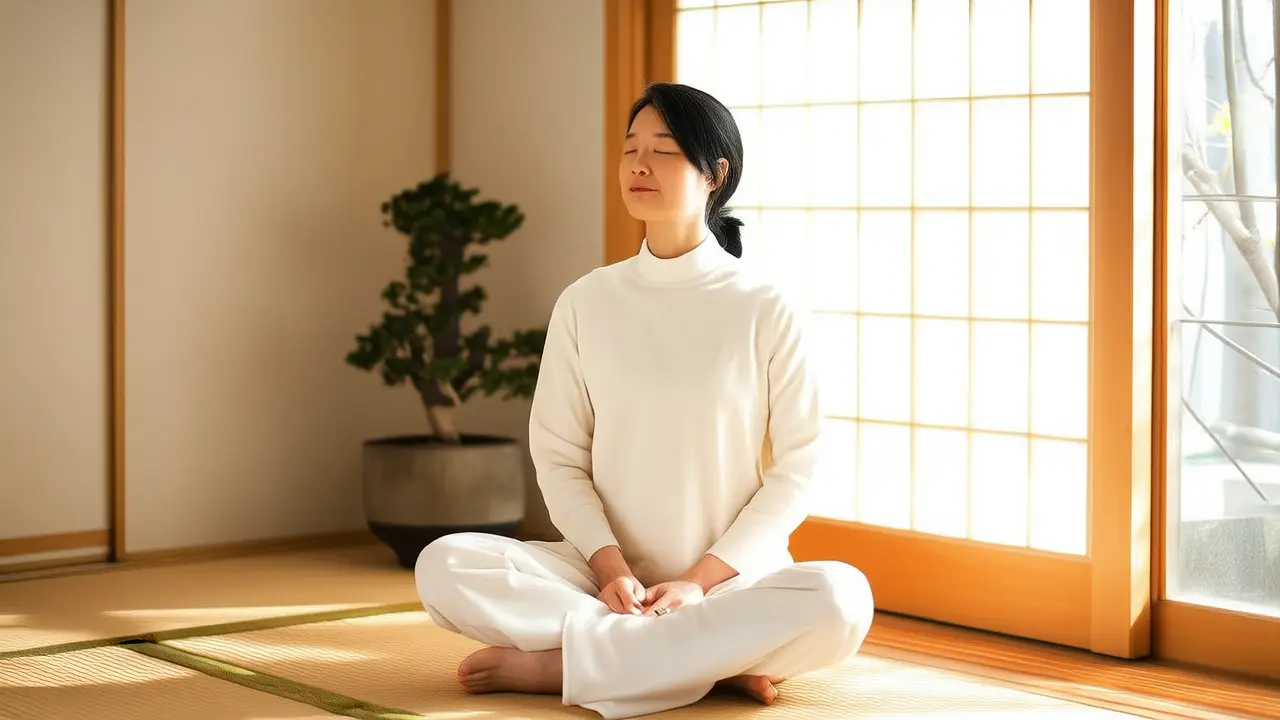
When you feel tense or uneasy, your breathing usually becomes shallow and rapid. This pattern further increases physical tension. To break this cycle, first, you need to be aware of your breathing. Find a quiet place, sit down or stand, gently close your eyes, and focus on the tip of your nose, feeling the temperature changes of air entering and leaving your nostrils. Do not try to change your breathing, just observe it for 3-5 times. The purpose of this step is to temporarily take your mind away from chaotic thoughts, preparing for the next breathing regulation.
Step 2: Gentle Qi Cultivation Breathing Technique - "Four-Seven Breathing"
The "Four-Seven Breathing" is a simple technique combining Chinese health concepts: inhale for 4 seconds, hold your breath for 7 seconds, exhale for 7 seconds. Note that the duration of holding your breath and exhaling is equal, and slightly longer than inhaling. Here's how to do it:
- Preparation: Sit upright or cross-legged, place your hands gently on your knees, and relax your shoulders.
- Inhale: Breathe in slowly through your nose, silently counting 4 seconds, letting the breath fill your abdomen (feeling your abdomen slightly rise).
- Hold: Hold your breath, silently counting 7 seconds. If you feel uncomfortable, you can reduce it to 5 seconds.
- Exhale: Breathe out slowly through your mouth or nose, silently counting 7 seconds, expelling all the air from your lungs (your abdomen contracts).
- Repeat: Do this continuously for 5 rounds (about 2-3 minutes). If you feel dizzy, stop immediately.
This rhythm can activate the parasympathetic nervous system, slowing your heart rate and relaxing your muscles, thus relieving tension. According to traditional Chinese medicine, this is about regulating "breath" to smooth the "qi" within the body, allowing it to flow smoothly and achieve a state of yin-yang balance.
Step 3: Integrate into Daily Life - Cultivate Mind and Energy Anytime, Anywhere
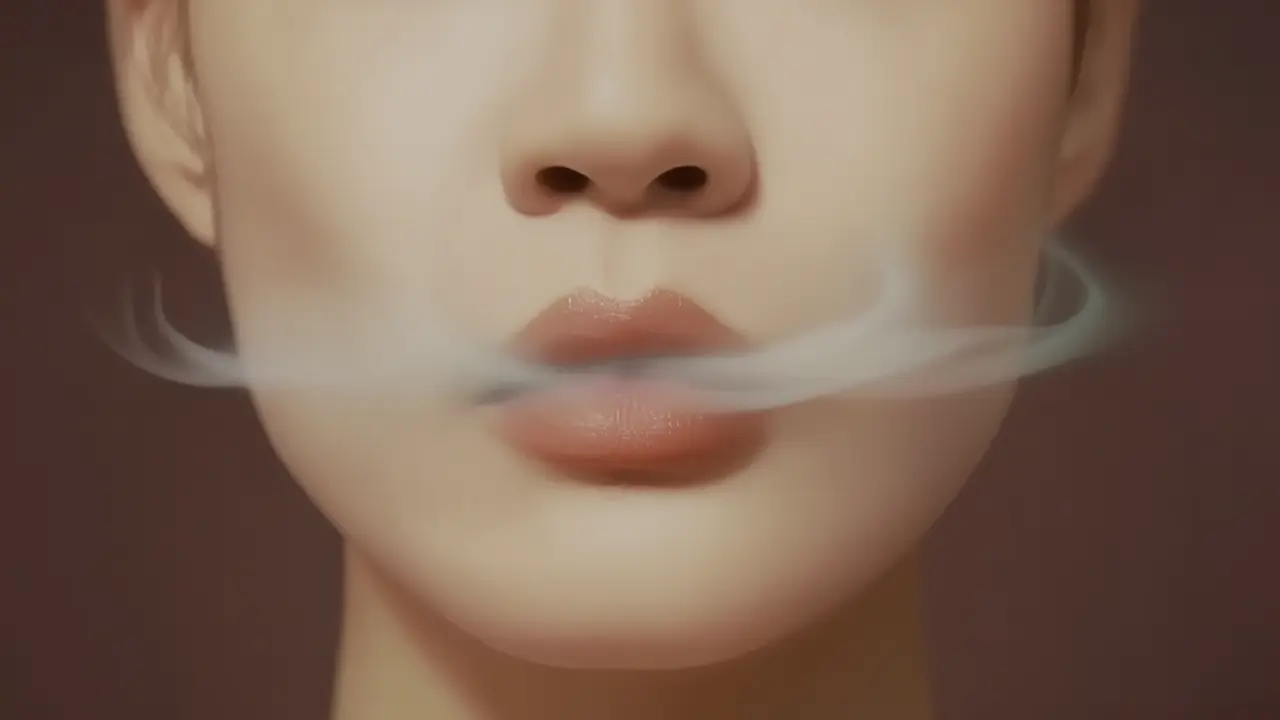
The most effective way is to turn this short exercise into a daily habit. You can use it in the following situations:
- After waking up in the morning, spend 2 minutes doing it to start your day more calmly.
- When feeling stressed or irritable at work, take 3 rounds away from your seat to quickly regain calmness.
- Before going to bed, lie in bed and do it to help your body and mind relax and improve sleep quality.
Remember, this technique is not about achieving perfection, but about building a connection with yourself. You don't need to reach any specific state; as long as you feel your breathing becoming smoother and your body more comfortable, it is effective.
Summary: Returning to Breathing Means Returning to Yourself

Emotional relief is not complicated; it often lies in the daily actions we tend to overlook. Through this gentle Qi Cultivation breathing technique, we can create a small space of tranquility wherever we are. With consistent practice, you will find that even if the outside world is turbulent, your inner self can always maintain a peaceful lake. Let your breathing become your best tool for mental cultivation.
Disclaimer: The breathing techniques provided in this article are for relaxation and general health reference only, and are not intended for diagnosing, treating, or preventing any disease. If you have respiratory diseases, cardiovascular issues, or other health conditions, please consult a professional doctor before trying them. If you feel uncomfortable during practice, stop immediately. Individual experiences may vary.