Introduction: When the Mind is Calm, the Body is at Ease; Nurturing the Mind is Nurturing Life
In today's fast-paced life, anxiety, tension and fatigue often arrive uninvited. Traditional Chinese medicine emphasizes that "the heart governs the mind," believing that emotional fluctuations directly affect the flow of qi and blood as well as the function of internal organs. True emotional relief doesn't require complex rituals; it simply requires cultivating a calm mind through daily habits. With simple routines, you can easily create moments of inner peace and harmony. This article shares three gentle and effective techniques for nurturing the mind, helping you find inner tranquility and stability in everyday life.
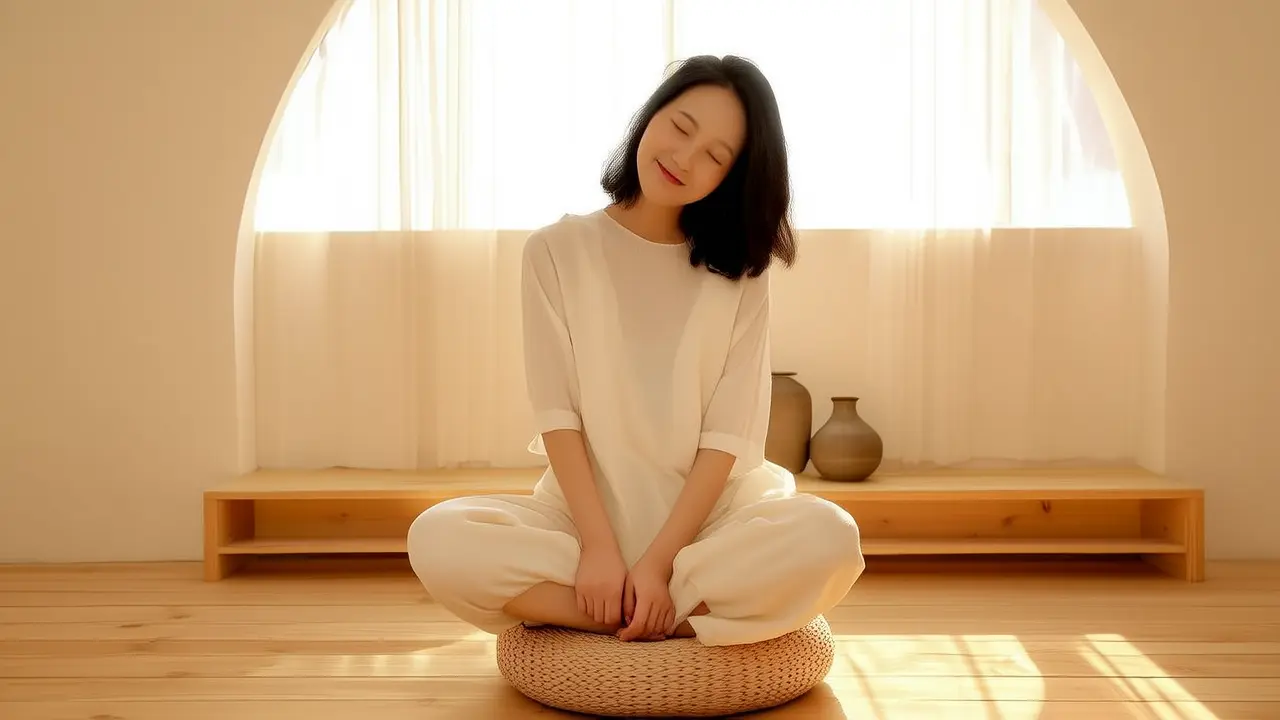
Morning Moment: Sitting Quietly to Regulate Breath and Awaken Inner Yang Energy
After waking up each morning, don't rush to get out of bed or check your phone. Sit quietly on the bed or a chair for 3-5 minutes, placing your hands gently on your knees, closing your eyes, and focusing on your breathing. As you inhale, feel your abdomen slightly rise, and as you exhale, feel your body gradually sink. This simple sitting practice helps to slowly generate yang energy while expelling accumulated impurities during the night. When the mind is calm, the qi flows smoothly. A few minutes of morning breath regulation can provide a stable foundation for your entire day's emotions.
Afternoon Tea Break: A Warm Drink to Nourish the Mind and Spirit
During a busy afternoon, treat yourself to a five-minute tea break. Choose a warm cup of chrysanthemum tea, rose tea, or even just plain water. Hold the cup with both hands and sip slowly. While drinking, put away your phone and work, and focus on the warmth and aroma of the tea spreading in your mouth. This small ritual can relax tense nerves, bringing a restless mind back to the present moment. According to traditional Chinese medicine, "bitter enters the heart," and the mild bitterness of certain teas (such as lotus seed heart or chrysanthemum) helps to clear heart fire and stabilize emotions.
Evening Relaxation: Massaging the Inner Gate Point to Guide Qi Back to the Organs
Half an hour before bedtime is the golden time for nourishing the heart and protecting the spirit. Gently press the "Inner Gate" point (located three finger-widths above the wrist crease, between two tendons) on the inner side of your wrist with your thumb. Massage each side for 2 minutes, applying light pressure, with a slight sense of soreness and distension being ideal. The Inner Gate point is an important acupoint on the Pericardium Meridian, and massaging it can relieve chest tightness, regulate qi, and calm the mind. Combined with deep breathing, it effectively relieves tension and anxiety from the day, helping the body enter a state of deep relaxation.
Daily Walking: Slow Steps to Observe the Mind, Combining Movement and Stillness
You don't necessarily need to exercise specifically. When commuting or taking a walk after meals, deliberately slow down your pace, shifting your attention from thoughts back to each step under your feet. Feel the contact between your soles and the ground, and notice the natural sounds and light around you. This mindful walking breaks the automatic response patterns of the brain, freeing the mind from distractions. Walking while coordinating the rhythm of "exhale - inhale - hold" (for example, inhale for four steps, exhale for six steps) can better balance yin and yang, and calm emotions.
Conclusion: Nurturing the Mind Needs No Faraway Place; The Present Moment Is the Destination
The secret to emotional relief does not lie in avoiding stress or seeking perfection, but in cultivating awareness and care for the body and mind through small daily matters. Morning quiet sitting, afternoon tea breaks, evening massage, and slow walking—these seemingly ordinary actions are actually the warmest "heart medicine" in the wisdom of traditional Chinese health practices. When we learn to settle our minds in daily life, tranquility and harmony will naturally follow. May you find your own moments of peace in every ordinary day, achieving unity of body and mind, and living freely and healthily.