Introduction: Why Three-Minute Chinese Meditation?
Life moves fast, and stress is always with us. When you feel irritated, anxious or exhausted, take three minutes for yourself and return to inner peace through the Chinese meditation method. This simple practice originates from traditional health preservation concepts. It requires no special place or tools, just a quiet corner and a moment of focus. By adjusting your breathing, relaxing your body, and focusing your mind, it helps you quickly relieve emotions, balance yin and yang, and embrace a natural calm mindset.
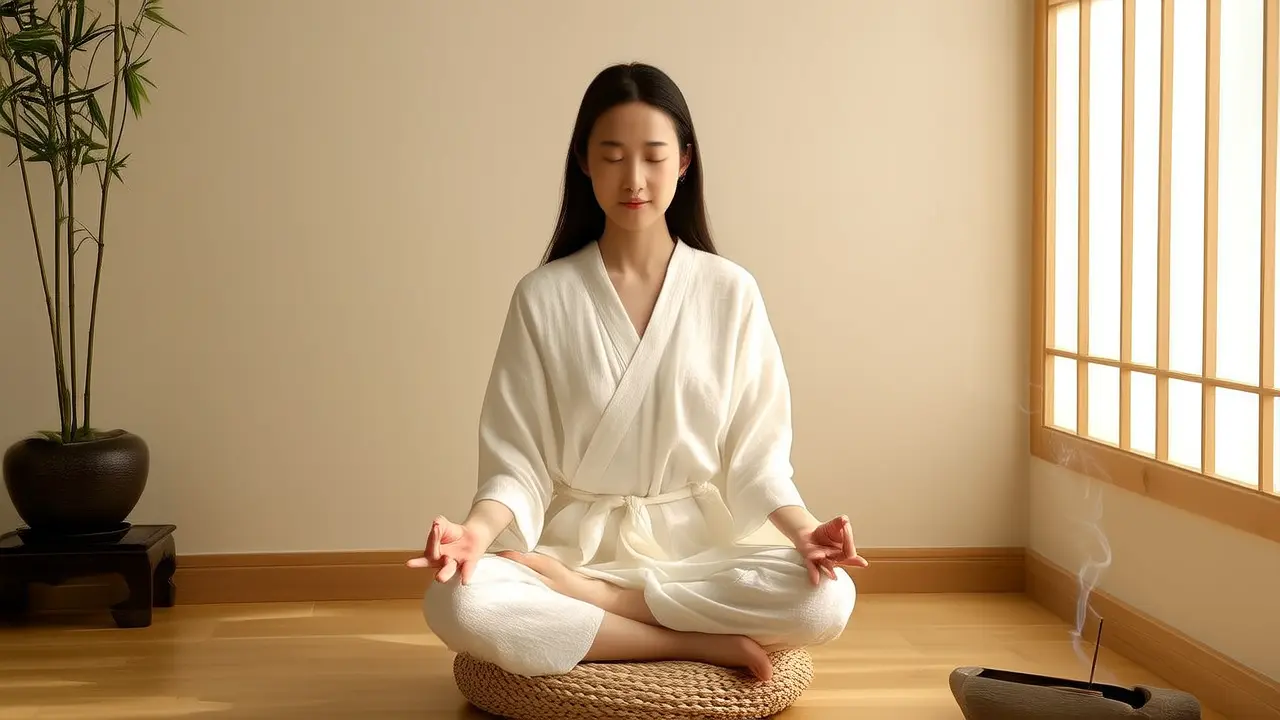
What is Chinese Meditation?
Chinese meditation is not a mysterious form of meditation, but rather a daily relaxation technique that combines the traditional Chinese medicine concept of "balancing qi and blood, and calming the mind." The core principle is: unite body and mind, and nourish qi through stillness. When you experience emotional discomfort (such as tension, anger, or sadness), your body may show reactions such as tense muscles and rapid breathing. By consciously slowing down your movements, taking deep breaths, and focusing on the present moment, you can stimulate the parasympathetic nervous system, reduce cortisol levels, and thus relieve tension and restore calmness.
Three-Minute Chinese Meditation Steps
Applicable scenarios: Any moment when you feel restless or unable to focus. Please follow these four steps:
- Step 1: Adjust Posture (30 seconds) Find a chair or mat, sit upright but not rigidly. Place your hands naturally on your knees, palms up (or stacked over your lower abdomen). Gently close your eyes, and let your tongue lightly touch the upper palate. This posture helps the flow of qi in the governing and conception meridians.
- Step 2: Deep Breathing (1 minute) Breathe in slowly through your nose, counting 4 seconds, imagining fresh air entering your abdomen from the top of your head; hold your breath for 2 seconds; then exhale slowly for 6 seconds, imagining stale air being expelled from the soles of your feet. Repeat 3-5 times. Pay attention to the rise and fall of your abdomen during breathing, allowing the breath to sink into the dantian (energy center).
- Step 3: Focus on One Thought (1 minute) Choose a scene or phrase that makes you feel peaceful, such as "lake surface," "pine tree," or "stillness." Whenever your thoughts wander, gently bring your attention back to this thought. Don't judge, just observe.
- Step 4: Completion (30 seconds) Rub your hands until warm, then gently place them on your eyes, cheeks, and back of the neck for 5 seconds each. Then open your eyes and slowly move your wrists and ankles. Feel the relaxation and warmth spreading from inside out.
Mild Adjustment Principles
Chinese health preservation emphasizes "yin-yang balance" and "calming the mind to nourish qi." Three-minute meditation works through the following mechanisms: reducing sympathetic nerve excitement; promoting the secretion of endorphins and serotonin; balancing the rise, fall, entry, and exit of "qi." Long-term practice can improve sleep quality and enhance emotional stability, but remember: it does not replace professional medical treatment, and is only a supplement for daily self-care.
Conclusion: Planting Calmness in a Fast-Paced Life
Three minutes is not long, yet it is a precious gift you give yourself. Every day, reclaim three minutes and embrace a natural calm mindset through Chinese meditation. You will find yourself more composed in facing life's ups and downs. Try it, starting with your next breath.
Disclaimer: The content of this article is for knowledge sharing and emotional relief reference only and does not constitute any medical advice. If you have persistent emotional issues or physical discomfort, please consult a professional doctor or mental health professional promptly.