Introduction: A Calm Mind Brings Physical Peace, Three Daily Practices for Nurturing the Heart
In today's fast-paced life, many people are troubled by anxiety, fatigue, and emotional fluctuations. Traditional Chinese medicine emphasizes "nourishing both body and mind." The heart is considered the "sovereign official," governing the blood and storing the spirit. To achieve long-term health, one must first nurture the heart. In fact, nurturing the heart is not complicated; it simply requires incorporating three small daily practices: tea ceremony, meditation, and walking. They can calm thoughts and harmonize qi and blood, naturally leading to a peaceful life.
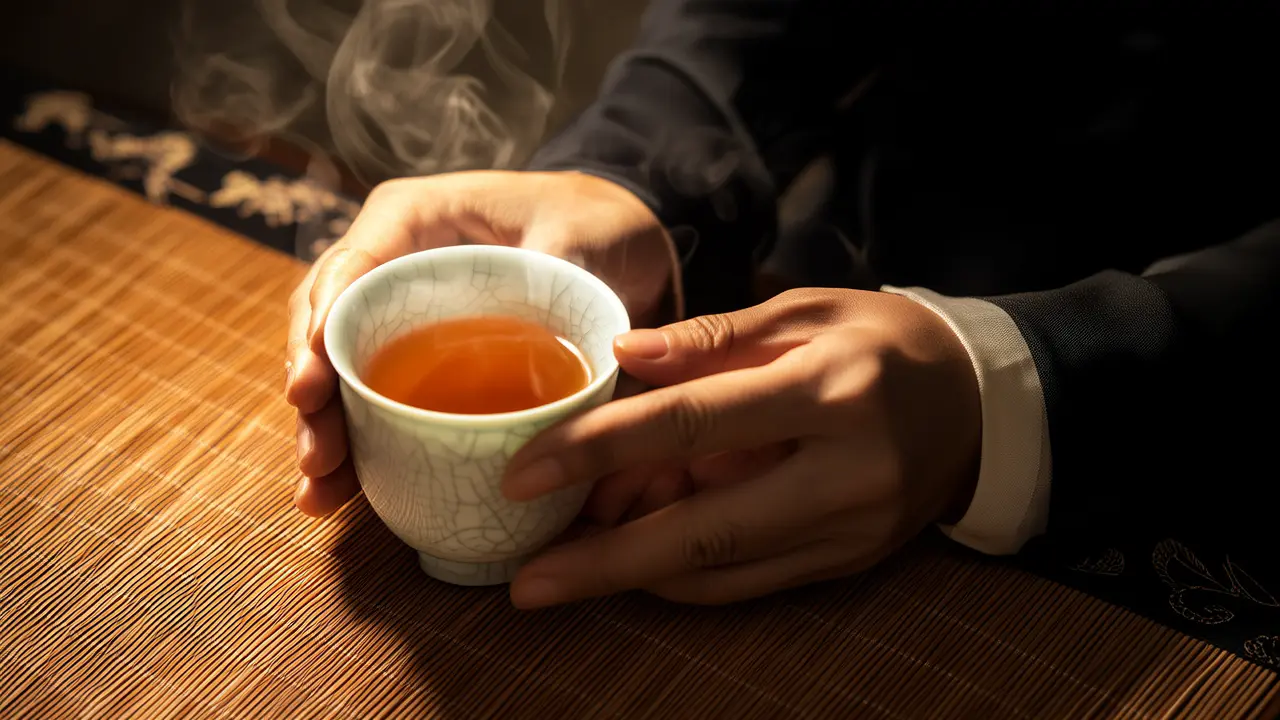
1. Tea Ceremony: Let Your Mind Settle with a Cup of Tea
Brewing tea is more than just quenching thirst; it's a ritual. As you focus on warming the teacup, adding the leaves, pouring water, and serving the tea, your breathing slows down, and your thoughts become focused. The tea ceremony emphasizes "stillness" and "calmness," allowing the sympathetic nervous system to relax and the parasympathetic nervous system to take control, thus relieving tension.
Practical Suggestions:
- Choose suitable teas such as green tea, oolong, or pu-erh, and prepare simple tea utensils.
- Dedicate 10-15 minutes each day without disturbances.
- Smell the tea fragrance carefully, sip slowly, and feel the temperature and taste of the tea in your mouth.
- Do not judge, do not rush, just enjoy the present moment.
The principle lies in that tea polyphenols and L-theanine in tea help relax the brain, while focusing on brewing tea acts like a dynamic meditation, clearing the mind and calming the spirit.
2. Meditation: A Moment Each Day to Bring the Spirit Back to Its Origin
Meditation is the most direct method for nurturing the heart. Sit comfortably, close your eyes, regulate your breath, and let chaotic thoughts pass like floating clouds without getting entangled. According to traditional Chinese medicine, "stillness generates yin, and yin generates blood." Meditation nourishes yin energy, balances yin and yang, and allows the flow of qi and blood to be smooth.
Simple Steps:
- Practice twice a day, once in the morning and once in the evening, for 5-15 minutes each time.
- Sit cross-legged or upright, keep your back straight, and place your hands on your knees.
- Inhale deeply, exhale slowly, and focus your attention on the tip of your nose or the lower abdomen.
- If your mind wanders, gently bring it back without blaming yourself.
With consistent practice over time, it can reduce cortisol levels, enhance emotional stability, and make the heart softer and more peaceful.
3. Walking: Synchronize Body and Mind While Walking
Walking is a low-intensity method for nurturing the heart. Walk slowly, maintain balance, and coordinate with natural breathing to unblock meridians and harmonize qi and blood. When walking, avoid discussing work or using your phone, and only feel the sensation of your feet touching the ground and the breeze against your skin.
Key Points for Practice:
- Choose quiet places such as parks, riversides, or residential areas.
- Walk for 20-30 minutes, at a pace that does not cause breathlessness.
- While walking, silently recite "one, two, one, two" or "inhale, exhale," maintaining a slow rhythm.
- You can observe plants and birds, connecting your senses with nature.
Walking helps the brain release endorphins, relieve tension, and promote blood circulation through full-body movement, achieving the balance of yin and yang through "stillness within motion."
Conclusion: Nurturing the Heart Is Nourishing the Body, Daily Life Is Practice
The tea ceremony, meditation, and walking may seem ordinary, but they embody the wisdom of traditional Chinese medicine's "preventing disease before it occurs" and Taoism's "tranquility and non-action." By consistently practicing these three small daily habits, without forcing effort, you can gradually regain inner stability and comfort. When the body and mind are harmonious, health naturally follows. Please remember, these methods are for daily regulation and should not replace medical treatment. If you have severe emotional or health issues, it is recommended to consult a professional physician.