Introduction: Synchronize with Heaven and Earth, Nourish Body and Mind Naturally
As the ancients said, "Spring brings birth, summer brings growth, autumn brings harvest, and winter brings storage." The changing seasons not only alter all things in nature but also deeply affect our bodies. Adjusting diet and lifestyle according to the seasonal changes is a gentle yet effective way of health preservation. This article summarizes simple secrets for seasonal health care, helping you easily grasp the rhythm of daily health.
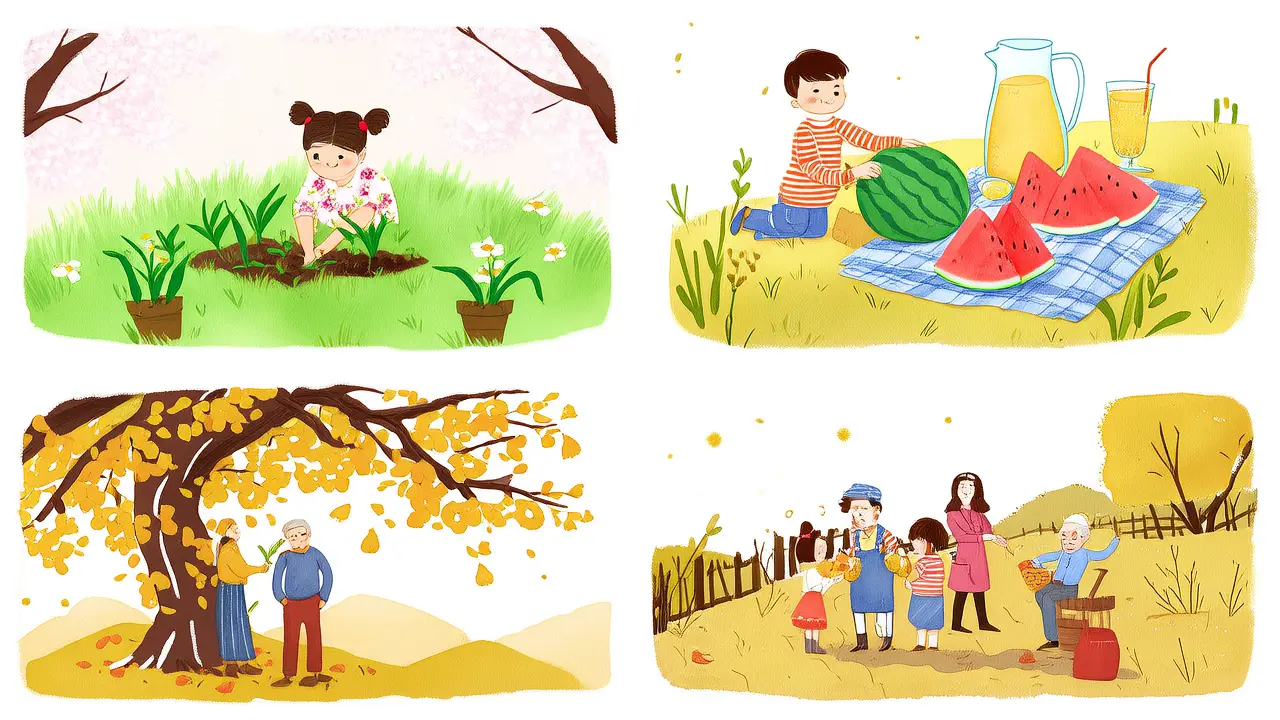
Spring: Soothe the Liver and Regulate Qi, Diet Should Be Sweet
In spring, yang energy rises and liver qi becomes vigorous, which can lead to emotional fluctuations, insomnia, or dry mouth. At this time, the diet should be less sour and more sweet, including foods like spinach, leek, Chinese yam, and dates, which nourish the spleen and stomach and relieve liver stagnation. It is advisable to increase outdoor walks and stretching exercises to help blood and qi circulate. Be careful not to remove clothes too early to prevent colds from spring.
Summer: Clear Heat and Remove Dampness, Focus on Nourishing the Heart
Summer is hot and humid, and heart fire tends to be excessive, often causing irritability and poor appetite. It is recommended to eat foods that clear heat and remove dampness, such as mung beans, winter melon, bitter gourd, and coix seed. Drink warm water instead of cold drinks to protect the spleen's yang energy. A 15-20 minute nap at noon helps to nourish the heart and calm the mind. Exercise is best done during cooler times of the day, such as brisk walking or yoga, avoiding excessive sweating that depletes energy.
Autumn: Nourish Yin and Moisturize Dryness, the Lungs Are in Charge
Autumn has a dry climate, making the lungs prone to damage, resulting in dry coughs and itchy skin. It is advisable to eat foods that nourish yin and moisten the lungs, such as pears, white fungus, lily bulbs, and sesame seeds. Avoid spicy foods to prevent worsening autumn dryness. Go to bed early and rise early to follow the trend of yang energy being retracted. Do proper deep breathing and chest-expanding exercises to enhance lung function. Pay attention to keeping the neck and back warm to prevent colds.
Winter: Warmly Nourish Kidney Yang, Store Essence and Cultivate Vitality
In winter, it is cold, and kidney energy dominates, making it easy to experience cold hands and feet, and soreness in the waist and knees. The diet should be warm and hot, with an increased intake of warming and nourishing ingredients like mutton, black beans, walnuts, and ginger, while avoiding raw and cold foods. Go to bed early and get up late, engaging in activities only after the sun comes out. Soak your feet in hot water before bedtime and massage the Yongquan point to help yang energy return to its root. Winter is not suitable for intense exercise; walking or tai chi is sufficient.
Summary: Live According to the Seasons, True Skill Lies in the Ordinary
Seasonal health care is not a complicated theory but rather integrating simple dietary habits and daily routines into the rhythm of life. Pay attention to changes in your body and follow the pace of nature; you will gain lasting health and comfort through the changing seasons. Remember, health maintenance lies in persistence. Start with a small change today.