Introduction: Following the Seasons, the Natural Wisdom on the Table
When the spring breeze turns willow buds green, summer nights are filled with the sound of cicadas, autumn leaves turn golden, and winter snow covers the eaves—nature's rhythm never stops. In traditional Eastern health concepts, the human body is closely related to the four seasons: in spring, it's suitable to regulate the liver; in summer, it's necessary to clear the heart; in autumn, it's important to moisten the lungs; in winter, it's appropriate to strengthen the kidneys. This is not an esoteric secret, but the dietary wisdom of ancient people observing nature and integrating it into daily life. Today, let's bring the gifts of the season to the table with simple and gentle methods, allowing our bodies to be comfortable and at ease in every season.
Spring: Pungent and Sweet to Activate Dormant Vitality
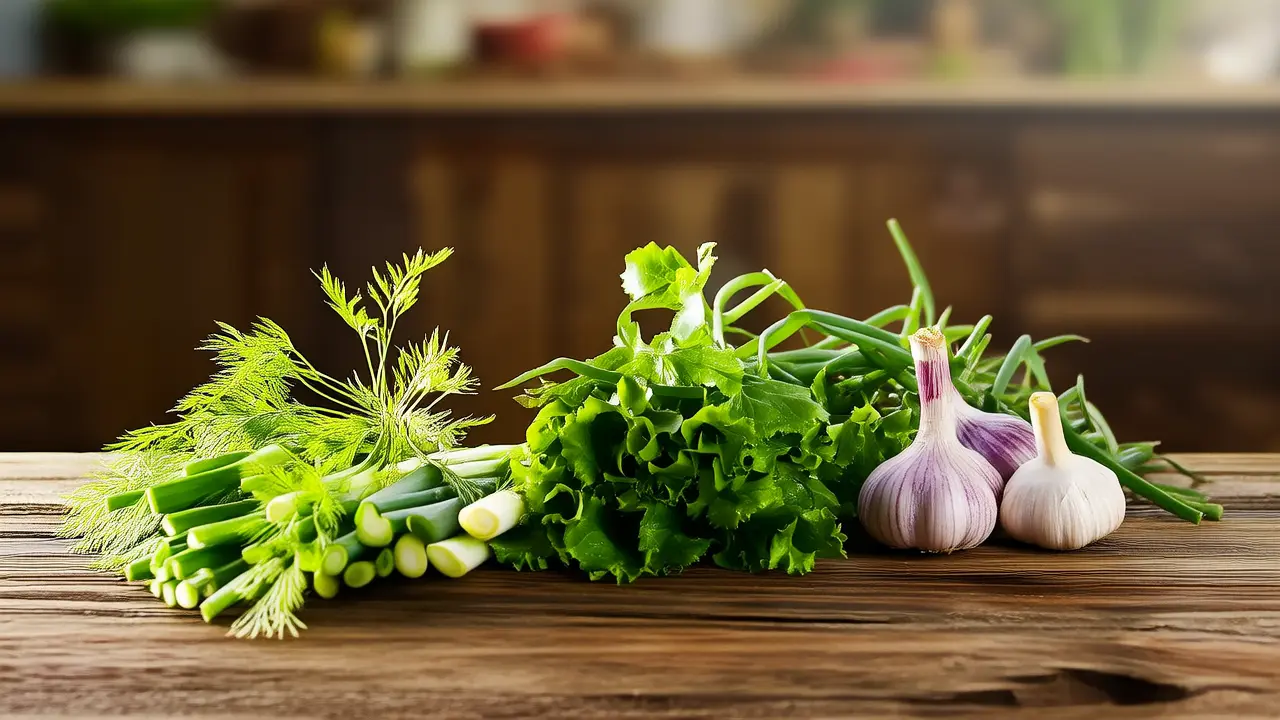
In spring, yang energy rises, but during the fluctuating weather, people often feel drowsy and emotionally unstable. At this time, diet should "reduce sourness and increase sweetness," avoiding sour foods like vinegar and lemons, and consuming more pungent and sweet foods such as chives, scallions, garlic sprouts, and shepherd's purse to help the liver qi spread smoothly. A bowl of chive egg dumplings or a handful of cold-mixed tender bamboo shoots can easily awaken the whole day. If feeling dry, a glass of honey lemon water (with less lemon) can relieve spring dryness.
Summer: Clearing and Nourishing to Eliminate Dampness, Cooling Without Harming the Stomach
During hot summers, people often lose appetite, sweat a lot, and feel weak. The core is "clearing" and "nourishing": use ingredients that clear heat and eliminate dampness, such as mung beans, winter melon, snake gourd, and lotus leaves, to make mung bean soup or winter melon rib soup; meanwhile, consume foods like yam, millet, and lotus seeds to strengthen the spleen and stomach. Cold drinks harm yang energy, so instead, try warm mint tea or homemade sour plum soup (with less sugar), which cools down and protects the stomach.
Autumn: Nourishing Yin and Moistening Dryness, Gentle Care for the Body
Autumn dryness can cause dry throat and flaky skin. Diet should "reduce pungency and increase sourness," reducing intake of chili peppers and ginger, and eating more yin-nourishing and lung-moistening ingredients such as white fungus, lily bulbs, pears, lotus roots, and sesame. The simplest way: remove the core of a pear, add rock sugar and Sichuan贝母 (or just stew it) to make a pear soup, or cook a sweet soup with white fungus, red dates, and goji berries, drinking a bowl in the morning and evening to moisturize from the inside out.
Winter: Warming Nourishment to Store Energy for Next Year
Winter is the season of storage, and the human body needs more energy to resist the cold. It's suitable to eat warming and kidney-tonifying foods such as lamb, beef, walnuts, black sesame seeds, yam, and chestnuts. For example, lamb stewed with radishes provides warming nourishment without being greasy; or drink a small bowl of black sesame paste every day to gently nourish the kidneys. Be careful to pair with ingredients like Chinese cabbage and radishes to promote smooth qi flow, avoiding excessive nourishment that may lead to internal heat. The key is "warming without dryness, nourishing without stagnation."
Summary: Gentle Care, Balance Brings Comfort
Seasonal diets are not rigid rules, but flexible adjustments based on physical sensations. Be a bit more lively in spring, a bit more refreshing in summer, a bit more moisturizing in autumn, and a bit warmer in winter—use seasonal vegetables, grains, and fruits with light cooking methods to keep the spleen and stomach comfortable and allow internal organs to naturally remain balanced. Make a small change every day: eat some sprouts in spring, have a bowl of soup in summer, drink a bowl of soup in autumn, and warm up a pot of stew in winter. Over time, dietary care will become part of every corner of life.
(The content of this article is for reference only and does not constitute medical advice. If you have special health conditions, please consult professionals.)