Introduction
Traditional Chinese medicine emphasizes the "correspondence between heaven and humanity," considering the human body as similar to nature, with yin and yang fluctuating along with the changing seasons. In spring, it is a time of growth; in summer, a time of vitality; in autumn, a time of contraction; and in winter, a time of concealment. By simply pressing on acupoints, one can follow the seasonal changes and gently regulate internal organs, keeping both body and mind balanced and comfortable throughout each season. This article selects four safe and easy-to-operate acupoints, combined with seasonal characteristics, helping you smoothly integrate into the natural rhythm.
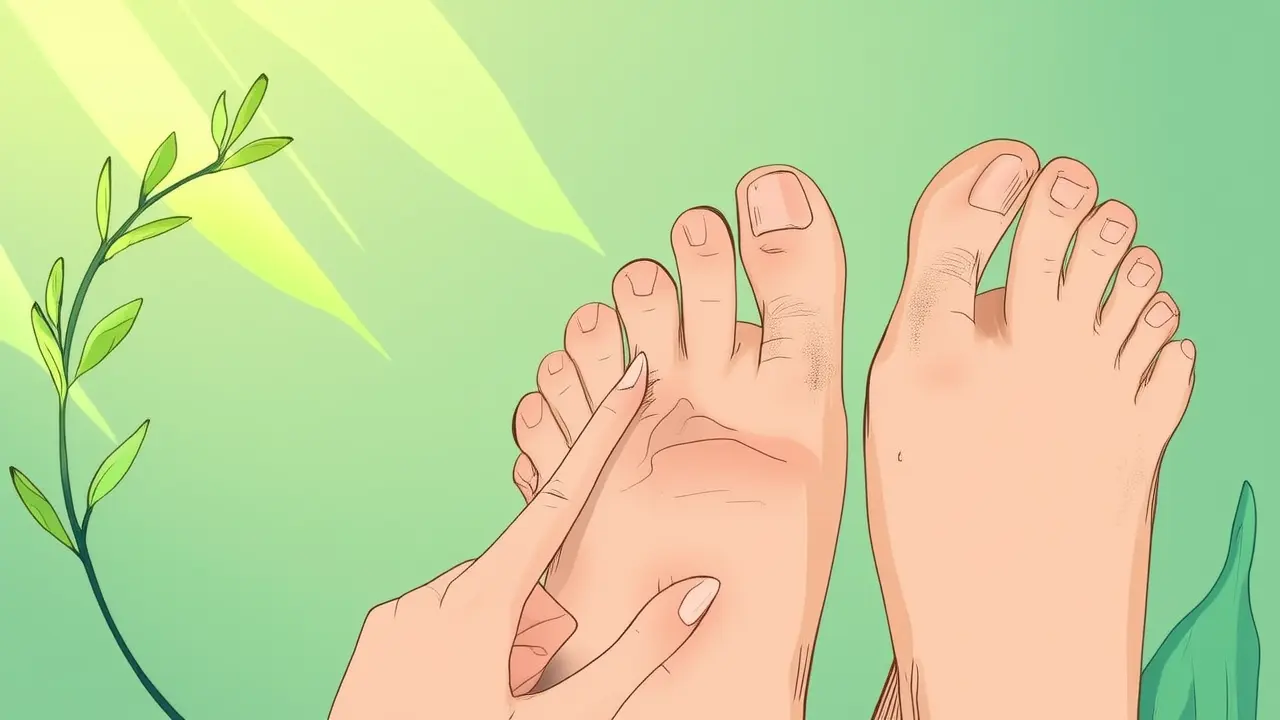
Spring Health: Massaging the Taichong Point
Seasonal Characteristics: In spring, liver qi rises. If not properly regulated, it may lead to emotional fluctuations and headaches or insomnia.
Acupoint Location: The Taichong point is located on the top of the foot, in the depression before the junction of the first and second metatarsal bones.
Pressure Method: Use the thumb's pad to push from the toes toward the ankle. Apply a moderate pressure that causes a sense of soreness and distension. Press for 2 minutes on each side, once in the morning and once in the evening.
Aligning with Nature: Taichong is the original point of the liver meridian. Massaging it helps the liver qi flow smoothly, like a breeze in spring, allowing emotions and blood to circulate peacefully.
Summer Health: Pressing the Neiguan Point
Seasonal Characteristics: Summer is hot, and heart fire tends to be excessive, often causing irritability, chest tightness, and poor sleep.
Acupoint Location: The Neiguan point is located on the inner side of the forearm, 2 cun (approximately three finger widths) above the wrist crease, between the two tendons.
Pressure Method: Use the thumb of the other hand to press vertically. After experiencing a tingling sensation, rub for 1 minute. Alternate hands and do this three times daily.
Aligning with Nature: Neiguan is an influencing point of the pericardium meridian, which can clear the heart and calm the spirit, like shade in summer, soothing restless heart fire.
Autumn Health: Rubbing the Yingxiang Point
Seasonal Characteristics: Autumn is dry, easily damaging lung fluids, leading to nasal congestion, dry cough, and dry skin.
Acupoint Location: The Yingxiang point is located at the midpoint beside the outer edge of the nostril, in the nasolabial groove.
Pressure Method: Join the index and middle fingers of both hands and rub the Yingxiang point until the area becomes warm. Do this for 1 minute each time, and repeat multiple times a day.
Aligning with Nature: Yingxiang belongs to the large intestine meridian (which is related to the lung), and rubbing it can open the nasal passages and moisten lung qi, like autumn dew moisturizing, maintaining a soft and moist respiratory tract.
Winter Health: Rubbing the Yongquan Point
Seasonal Characteristics: Winter is cold, and kidney yang tends to be weak, commonly resulting in soreness in the lower back and knees, cold hands and feet, and frequent urination at night.
Acupoint Location: The Yongquan point is located at the front third of the sole of the foot, in the depression when the foot is curled.
Pressure Method: Before bedtime, warm the palm, then use the thumb to press the Yongquan point on the sole of the foot. Press 100 times on each foot, until the soles become warm.
Aligning with Nature: Yongquan is the well point of the kidney meridian, like a spring gushing forth. Rubbing it can guide fire back to its origin and warm the kidney yang, helping the body store energy like in winter.
Summary
Seasonal health care lies in aligning with nature, and acupoint massage is a gentle method of regulation. It requires no complicated techniques; just spend a few minutes each day to feel the resonance between your body and the earth. With persistence, you will find your body and mind more comfortable, and the discomfort during seasonal transitions will gradually decrease. Remember: health preservation lies in consistency, and gentleness is the way to long-term well-being.
Disclaimer: The content of this article is for reference only and does not constitute medical advice. If you have serious health issues, please seek medical attention promptly.