Introduction: Spring Has Come, It's Time to Awaken Body and Mind
When the ice melts and plants sprout, spring quietly arrives. The human body, like nature, needs to make gentle adjustments in response to seasonal changes. Traditional Chinese medicine emphasizes "nourishing spring according to the seasons," advocating for small daily habits that help to promote yang energy, soothe the liver, and strengthen the spleen while eliminating dampness. Here are five gentle and practical health tips that require no complicated procedures, allowing you to regain vitality in the spring breeze.
1. Go to Bed Early and Rise Early to Promote Yang Energy

In spring, yang energy rises. People should follow the rhythm of sunrise. It is recommended to wake up about 30 minutes earlier than in winter, and go to bed before 11 p.m. Open the window in the morning to ventilate and take deep breaths of fresh air, which helps to awaken the internal organs. After waking up, stretch a few times or do some gentle stretching to promote blood circulation.
- Method: Set a fixed time to wake up, and try not to oversleep even on weekends; drink a glass of warm water after waking up.
- Principle: Follow the rhythm of sunrise, aiding the liver's function of dispersing stagnation and preventing spring fatigue.
2. Diet: Reduce Sour and Increase Sweet to Strengthen Spleen and Stomach
In spring, liver energy is strong. Eating too many sour foods can further enhance liver energy and damage the spleen and stomach. Reduce sour foods such as hawthorn and vinegar, and increase sweet foods like jujube, lotus root, millet, and pumpkin. Sweet flavors can nourish the spleen and stomach, helping to transform dampness and prevent dampness from affecting the spleen in spring.
- Method: Have a bowl of millet and jujube porridge for breakfast; add a dish of stir-fried lotus root slices for lunch; replace coffee with sugarcane and bupleurum water for afternoon tea.
- Principle: As Sun Simiao from the Tang Dynasty said, "In spring, it is appropriate to reduce sour and increase sweet to nourish the spleen," balancing the internal organs.
3. Gentle Exercise, Sweating Moderately

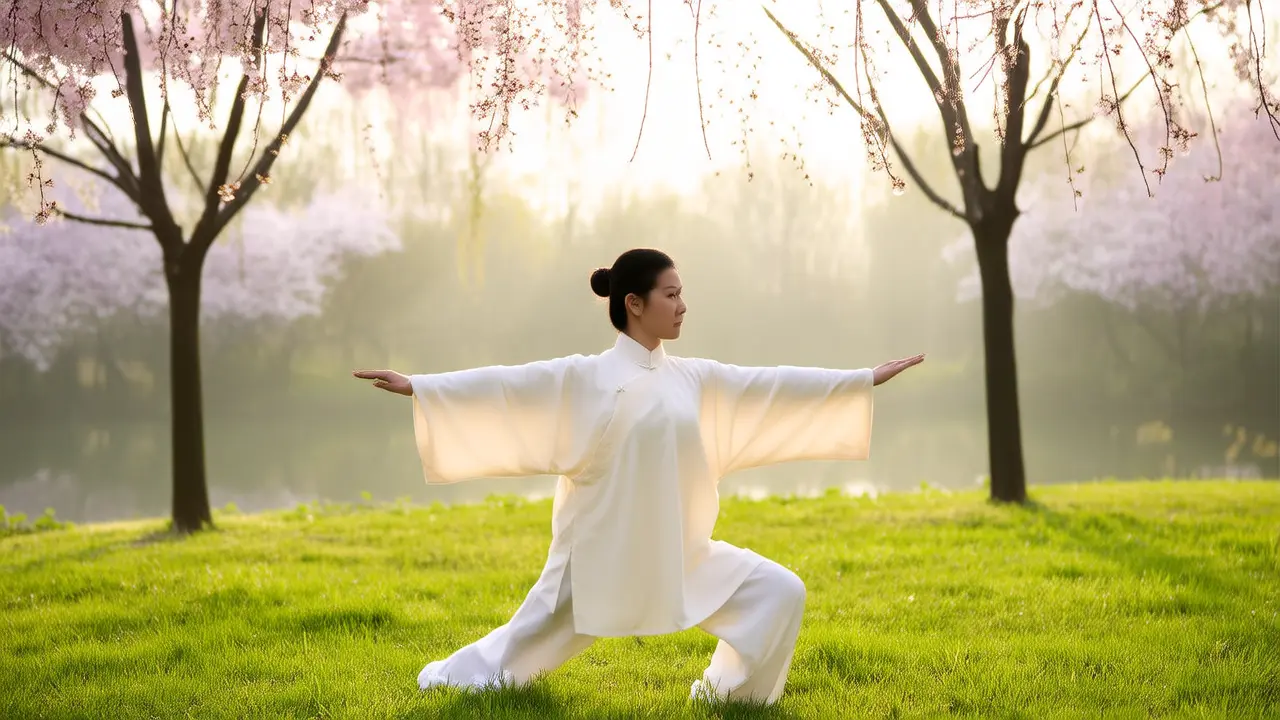
After a winter of sitting still, avoid intense sweating in spring, as it may deplete body fluids. Recommend walking, Baduanjin (Eight Pieces of Silk), yoga, or jogging, aiming for a slightly warm body and light sweat. After exercise, wipe off the sweat promptly to avoid catching a cold.
- Method: Walk for 30 minutes in the evening every day, or practice the "Lifting Hands to Regulate the Triple Burner" exercise of Baduanjin in the park in the morning.
- Principle: Gentle activities help to promote the rise of yang energy without excessive sweating that could lead to loss of yang, aligning with the "spring growth" principle.
4. Scalp Massage to Soothe the Liver and Regulate Qi
In spring, people are prone to emotional fluctuations and pain in the ribs due to liver qi stagnation. Every morning, use a wooden comb to comb your hair from the forehead to the back of the head 100 times, stimulating the meridians on the head. At the same time, gently massage the Tai Chong point (between the first and second toes on the top of the foot) and the Zhong Fu point (between the two nipples), each for 1-2 minutes.
- Method: After combing your hair in the morning, use your thumb to press and rub the Tai Chong point until a sense of soreness and distension is felt; massage the Zhong Fu point before bedtime.
- Principle: The head is where all yang meridians converge; combing the hair can promote yang energy. Tai Chong is the original point of the liver meridian, capable of resolving stagnated qi.
5. Slow Down When Removing Clothes, Practice "Spring Warming" Appropriately
Spring is characterized by fluctuating temperatures, and the body's pores gradually open. Don't rush to remove clothes, especially paying attention to keeping the neck, abdomen, and ankles warm. Only gradually remove winter clothes when the temperature stabilizes above 15°C. Adopt the "thin upper and thick lower" dressing principle, making it easy to adjust clothing as needed.
- Method: Carry a light jacket or scarf with you; protect the Dazhui point (at the back of the neck) when there is a large temperature difference in the morning and evening.
- Principle: The "Qianjin Yafang" recommends that in spring, "clothing should be thick at the bottom and thin at the top," protecting yang energy from being harmed by cold pathogens.
Summary: Follow the Four Seasons, Gently Care for Yourself
Spring health care focuses on the word "life." There is no need to pursue drastic changes. These five small tips, including going to bed early and rising early, dietary adjustment, moderate exercise, acupoint massage, and "spring warming," can help you smoothly pass through the season transition when integrated into daily life. Remember, health care is a gentle art of living, not rigid rules. May you awaken both body and mind this spring, feeling relaxed and at ease.