Introduction
Have you noticed that every time the seasons change, you always feel drowsy and lack energy? Actually, this is not because you are lazy, but your body is sending a signal - it needs to follow the rhythm of nature. Traditional Chinese medicine emphasizes "harmony between man and nature." Each season has its own qi, and if our diet and lifestyle can keep up with the pace of the seasons, we can naturally activate our energy and make every day full of vitality. Below, we will start from the four seasons and use gentle and simple methods to help you regain your balance.
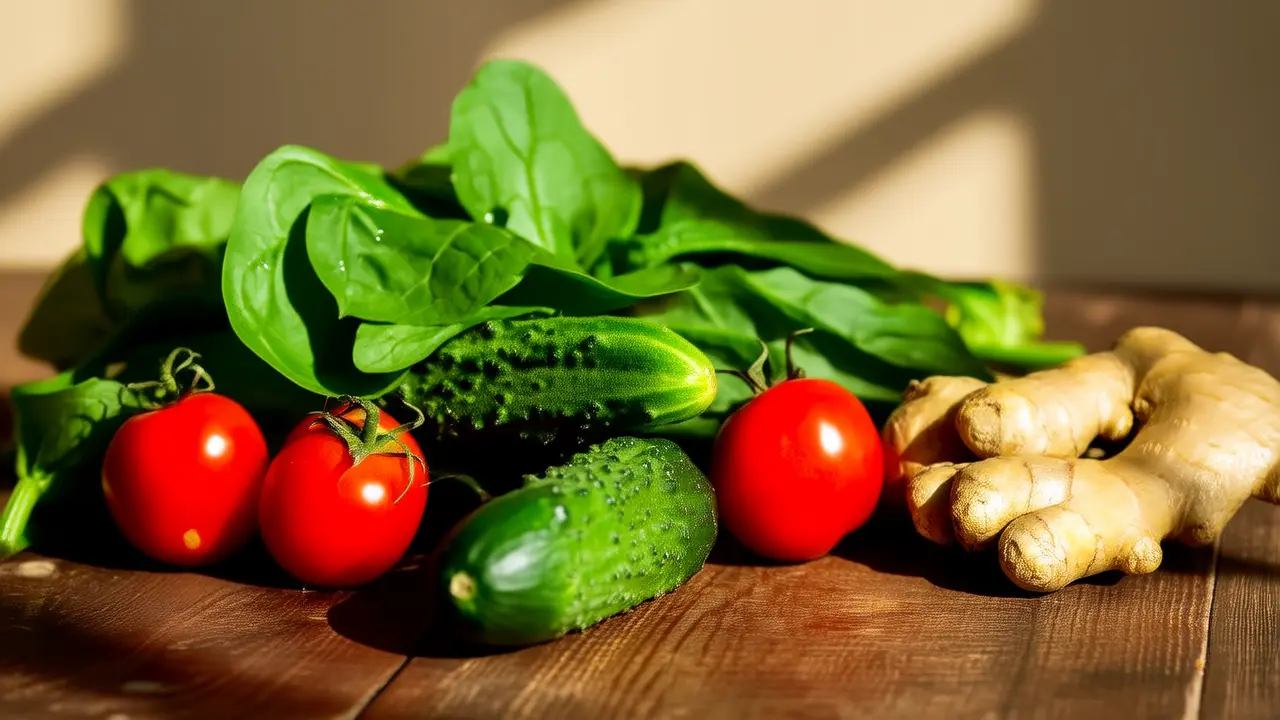
Spring: Soothing the Liver and Regulating Qi, Going to Bed Early and Waking Up Early
Spring is the season of growth, and the body's yang energy begins to rise. However, if liver qi stagnates, it can easily lead to fatigue and low mood.
Dietary Recommendations
- Eat more green leafy vegetables (such as spinach, celery), bean sprouts, and fragrant wood (Xiangchun) to help soothe the liver.
- Consume some pungent foods (such as ginger and scallions) appropriately to assist in the rising of yang energy.
- Avoid greasy and overly sweet foods, which may hinder the flow of qi.
Adjusting Sleep Schedule
Go to bed early and wake up early. It is recommended to go to bed before 11 PM and get up between 6-7 AM. Combine with stretching exercises or walking to help the liver qi to be smooth.
Summer: Clearing the Heart and Nourishing Yang, Taking a Short Nap at Noon
Summer is hot, and heart fire tends to be excessive, making people easily irritable, sweat more, and lose energy and body fluids.
Dietary Recommendations
- Eat more bitter foods (such as bitter melon and lotus seed center) to clear heart fire, combined with mung bean soup and watermelon (in moderation) to cool down and relieve heat.
- Drink some plum soup to generate body fluids and quench thirst; avoid cold drinks to prevent damage to spleen yang.
Adjusting Sleep Schedule
Go to bed late and wake up early (but no later than 12 AM), take a short nap of 15-30 minutes between 11 AM and 1 PM to nourish the heart and calm the spirit.
Autumn: Moistening the Lungs and Nourishing Yin, Constricting the Spirit
In autumn, the air is dry, and the lungs are prone to injury, commonly causing dry coughs, dry skin, and sad emotions.
Dietary Recommendations
- Eat more white-colored foods (such as pears, white fungus, lilies, and Chinese yam) to nourish yin and moisten the lungs.
- Consume appropriate amounts of sesame seeds, honey, and lotus root, and avoid spicy and grilled foods to prevent loss of body fluids.
Adjusting Sleep Schedule
Go to bed early and wake up early, following the routine of chickens (sleep before 10 PM and wake up at 6 AM), maintain a peaceful mind, and avoid excessive melancholy over autumn.
Winter: Nourishing the Kidneys and Storing Essence, Going to Bed Early and Waking Up Late
Winter is the season of storage, and kidney energy needs to be nurtured; otherwise, it is easy to fall ill in spring next year.
Dietary Recommendations
- Eat more black-colored foods (such as black beans, black sesame seeds, and black fungus) as well as nuts, mutton, and leeks, which are warming and nourishing ingredients.
- Avoid raw, cold, and overly salty foods, which may harm the kidneys.
Adjusting Sleep Schedule
Go to bed early and wake up late, waiting until the sun rises before being active (sleep before 10 PM and wake up between 7-8 AM), reduce intense exercise, and focus on rest and quietness.
Summary
Following the rhythms of the four seasons is not rigid rules, but the wisdom of dancing with nature. Through simple dietary adjustments and changes in sleep schedules, you can activate your seasonal energy, making each day more comfortable and full of vitality. Start today, and give it a try!