Introduction: Let Body and Mind Return to Balance in Silence
In today's fast-paced life, emotional tension and accumulated stress seem to be the norm. However, traditional Chinese health wisdom tells us that the most effective relaxation often comes from the gentlest daily habits—between each breath, within the time of a cup of tea. Below are four simple, side-effect-free methods to help you find inner peace and comfort anytime, anywhere, at home or in the office.
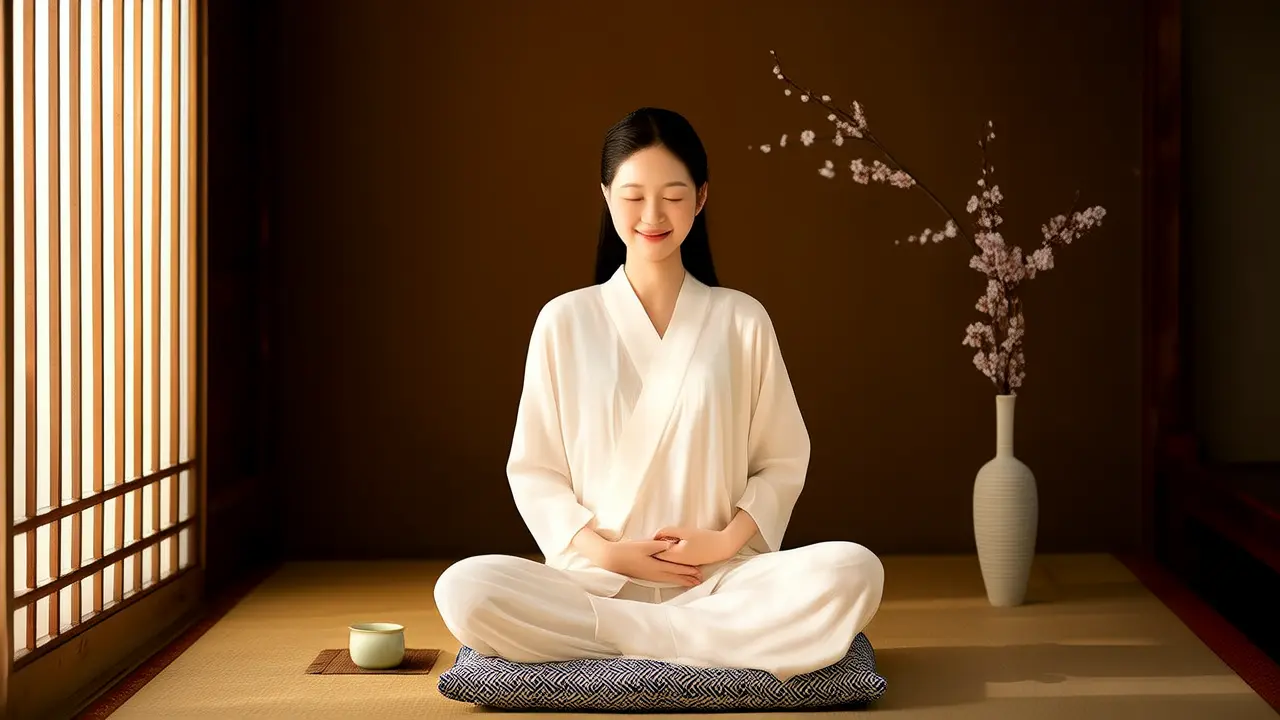
1. Abdominal Deep Breathing: Stabilize Anxiety with an "Anchor"
Applicable Emotions: Tension, irritability, palpitations.Steps: (1) Sit or lie down, place one hand on your abdomen; (2) Breathe in slowly through your nose, feeling your abdomen rise like a balloon, for about 4 seconds; (3) Hold your breath for 2 seconds; (4) Exhale slowly through your mouth, letting your abdomen contract, for about 6 seconds. Repeat 5-10 times.Regulation Principle: By prolonging exhalation, it activates the parasympathetic nervous system, reducing the body's stress response. This is a method of "regulating qi" in traditional Chinese medicine, where smooth qi leads to a calm mind.
2. Calm Mind by Sipping Tea: Soothe Emotions in Warmth
Applicable Emotions: Fatigue, low mood, scattered thoughts.Steps: (1) Choose a tea you like (flower tea, green tea, or warm black tea); (2) Brew it with hot water, hold the cup with both hands, and feel the warmth of the cup transfer to your palms; (3) First smell the tea aroma, allowing the scent to gently enter your nostrils; (4) Sip slowly, hold it in your mouth for a moment before swallowing. Do not use your phone throughout, focus on drinking for 5-10 minutes.Regulation Principle: Theanine in tea promotes relaxation, while the warmth and fragrance can soothe the brain through olfactory and tactile channels. Traditional Chinese medicine believes tea can "clear the mind and wash away worries."
3. Gentle Neck Stretching: Release Accumulated Tension
Applicable Emotions: Stiff shoulders and neck, excessive anger or overthinking.Steps: (1) Sit upright, relax your shoulders and let them sink; (2) Slowly tilt your head to the left, bringing your left ear close to your left shoulder, feeling the stretch on the right side, hold for 3 breaths; (3) Switch to the right side, repeat; (4) Lower your chin toward your collarbone, hold for 3 breaths; finally, slowly rotate your head in circles 3 times.Regulation Principle: Traditional Chinese medicine states that "the neck is the gateway to the heart," and it is the channel for blood and energy to reach the head. Gentle stretching can unblock the flow of qi and blood, relieving physical tension caused by emotions.
4. Afternoon Sunlight Walk: A "Down-to-Earth" Way to Balance Yin and Yang
Applicable Emotions: Depressed mood, suppressed feelings, lack of vitality.Steps: (1) Choose a sunny afternoon with good weather, avoid the intense midday sun; (2) Wear comfortable shoes, find a park or quiet path; (3) Slow down your pace, focus on the sensation of your feet touching the ground; (4) Breathe naturally, imagine exhaling your troubles and inhaling fresh air. Walking for 10-15 minutes is sufficient.Regulation Principle: Traditional Chinese medicine emphasizes that "movement generates yang." Gentle walking combined with sunlight can enhance internal yang energy, dispelling "cloudy" emotions. Grounding through the soles of the feet helps stabilize the mind.
Summary: Guide with Breath, Companion with Tea Aroma
These four habits require no special equipment, just a little time and willingness. When you insert these small "pause buttons" into your day, your body will gradually learn to adjust the rhythm of tension and relaxation on its own. Remember: True healing is not about confrontation, but acceptance and gentle turning. May you find your own peace in every deep breath and in every moment with a cup of tea.
Disclaimer: The content of this article is for health and relaxation suggestions only and does not constitute medical diagnosis or treatment. If you have persistent or severe emotional distress, please consult a professional physician or psychotherapist promptly.