Introduction: Why Do You Always Lose Your Calm in "Busyness"?
Do you often feel tightness in your chest and a tangled mind? Modern life is like an endless treadmill, with the body chasing schedules while the inner self becomes increasingly restless. In fact, returning to calm doesn't require complicated methods. There is an ancient yet simple technique - gentle relaxation exercises. With just your breath and a moment of attention, it can gently soothe tense nerves, like a soft hand. This is not mysticism, but based on the body's own regulatory mechanisms.
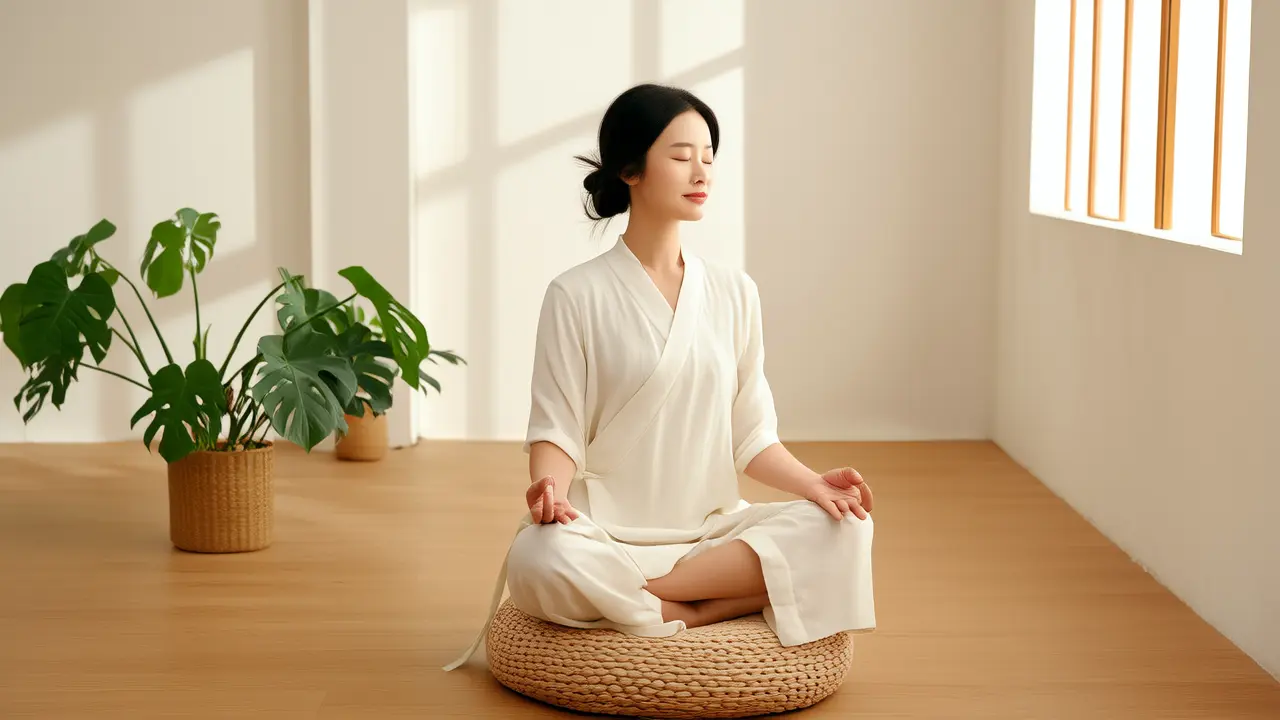
What Is Gentle Relaxation Exercise?
Gentle relaxation exercise is a method of physical and mental balance that combines deep breathing with guided imagination. It originates from the traditional Chinese medicine concept of "yin-yang harmony and calming the mind to cultivate energy." By actively adjusting the rhythm of breathing and guiding attention back to the present, it allows tense muscles and anxious minds to naturally relax. The entire process is safe, risk-free, and can be done by anyone at any time.
Tip: Three-Minute "Breathing and Scanning" Technique
This is the core technique shared here, suitable for emotional discomfort, work breaks, or before bedtime. All you need is a quiet corner and a few minutes of time.
Step One: Adjust Posture, Close Eyes and Relax
Sit on a chair or lie down, placing your hands naturally on your knees or abdomen. Gently close your eyes, allowing your whole body weight to sink. There is no need to force a neat posture; comfort is key.
Step Two: Deep and Steady Abdominal Breathing
Inhale slowly through your nose, feeling your abdomen rise like a balloon; then hold your breath for 1-2 seconds; then exhale slowly through your mouth, letting your abdomen contract. Maintain an inhalation-to-exhalation ratio of approximately 1:2 (for example, inhale for 4 seconds, exhale for 8 seconds). Repeat this five times, experiencing the sense of stability brought by the breath.
Step Three: Guided Imagination, Scan the Body
Keep steady breathing, and gradually move your attention from the top of your head downward - imagine a warm current or a gentle light, passing through your forehead, cheeks, neck, shoulders, arms, chest, abdomen, thighs, calves, and finally your toes. At each point, silently say "relax here" in your mind, and feel the muscles gradually loosen up. If your thoughts wander away, don't blame yourself; gently bring them back to the current area. The entire process takes about three minutes.
Principle of Gentle Regulation: Why Is It Effective?
Deep breathing activates the parasympathetic nervous system, lowers heart rate and blood pressure, and directly suppresses the stress response. Guided imagination acts like "clearing the screen" for the brain, breaking the cycle of anxiety and promoting the release of endorphins. From a traditional Chinese medicine perspective, this is "calming the mind and cultivating energy" - balancing yin and yang through regulated breathing, alleviating liver qi stagnation, and allowing smooth flow of qi and blood. This practice does not aim for immediate results, but rather cultivates a peaceful and comfortable inner state over time.
Summary: Be Gentle with Yourself
Gentle relaxation exercise is not about doing things "correctly," but inviting you to "feel." Just 3 minutes every day, even during commutes or lunch breaks, you can close your eyes, take a few breaths, and say to yourself, "Now, I am here." When the body and mind return to calm, you will realize: the best nourishment has never been far away, but right in your every breath.
Disclaimer: The content in this article is for sharing health knowledge only and cannot replace professional medical advice, diagnosis, or treatment. If you have severe physical discomfort or mental health issues, please consult a doctor or professional therapist promptly.