Introduction: Regaining Inner Peace Amidst the Noise
Life moves at a pace that leaves us breathless. Work, family, social life... every task pulls at our emotions. Do you feel tense, anxious, or even irritable for no reason? Actually, all you need is ten minutes each day to do a gentle emotional relaxation exercise, which can help your body and mind return to balance. This practice originates from ancient Chinese health wisdom, emphasizing the harmony of yin and yang, and cultivating calmness and energy. It's simple, safe, and suitable for everyone. Today, we will share the most basic and effective technique - the seated breathing relaxation method.
Why Do We Need Emotional Relaxation Exercises?
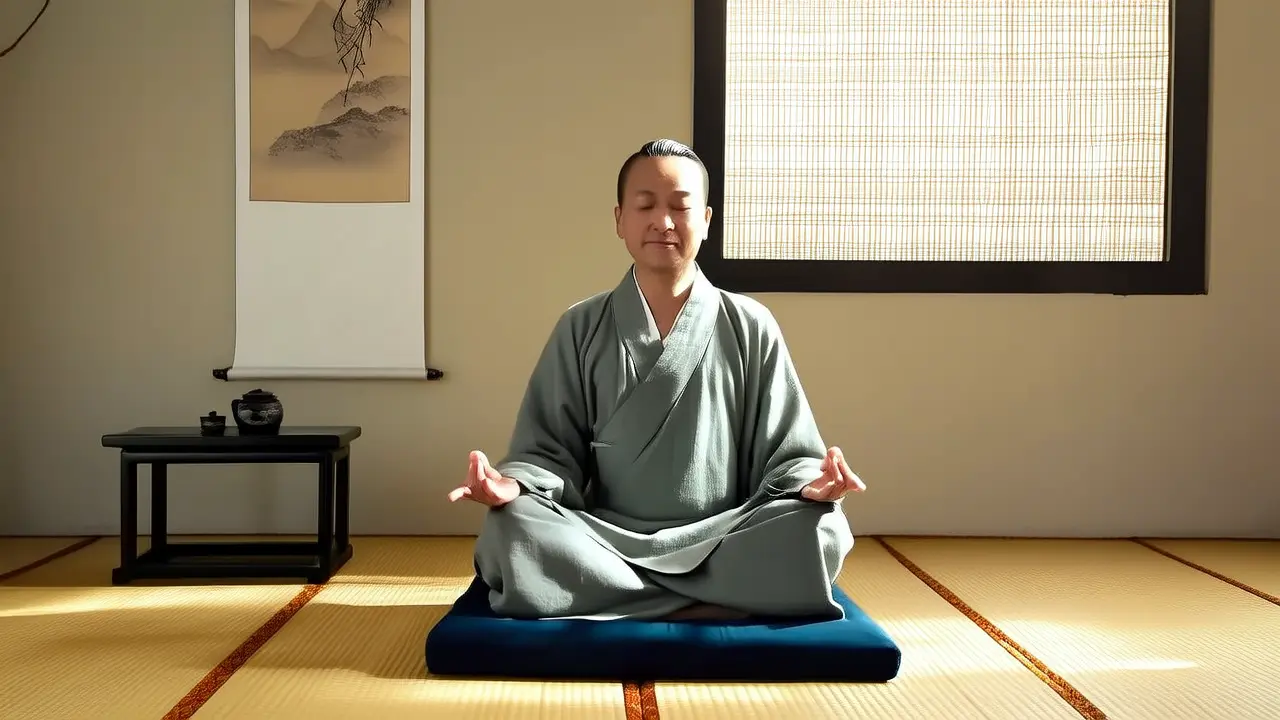
Emotions are like water; if they accumulate too long, they will overflow. When we stay in a state of tension or anger for a long time, our body secretes stress hormones, leading to an increased heart rate, rapid breathing, and tense muscles. Gentle relaxation exercises can help us actively regulate our autonomic nervous system, switching our "fight or flight" mode to a "rest and digest" mode. A deliberate ten-minute relaxation each day is like cleaning up our emotions, bringing our body and mind back to a peaceful state.
Specific Steps: Ten-Minute Seated Breathing Method
Step One: Find a Quiet Corner. You don't need any special equipment, just a chair or a cushion. Sit down, keep your spine naturally straight, place your hands gently on your knees, and close your eyes.
Step Two: Focus on Your Breath. Breathe in slowly through your nose, silently counting four seconds; then hold your breath for two seconds; exhale slowly through your mouth, counting six seconds. Repeat this "4-2-6" rhythm, focusing on the sensation of air entering and leaving your nostrils. If your mind wanders, gently bring your attention back to your breath.
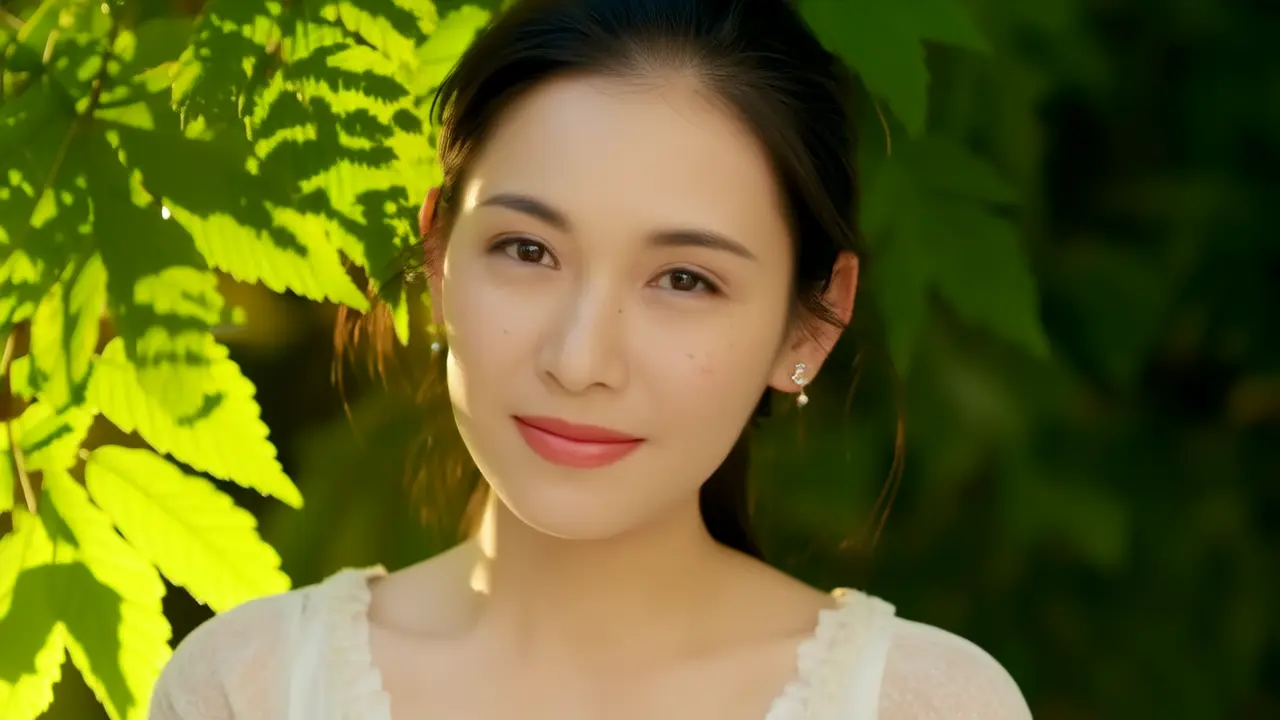
Step Three: Body Scan. Continue deep breathing while gradually feeling your body from head to toe: Is your forehead tight? Are your shoulders raised? Is your abdomen rigid? Imagine expelling these tensions with each exhalation, and inhaling fresh and peaceful energy with each inhalation.
Step Four: Return to Your Heart. In the last two minutes, stop deliberately counting your breaths, allowing your breathing to flow naturally. Place your hands over your chest, feeling the rhythm of your heartbeat and breath. Mentally repeat: "I am safe right now, and my body and mind are merging."
Traditional Chinese Health Philosophy: Cultivating Calmness and Energy, Achieving Yin-Yang Harmony
In traditional health practices, emotional fluctuations are seen as "disordered qi flow." Anger causes qi to rise, fear causes qi to descend, and thinking causes qi to stagnate. Through conscious breathing and body scanning, we can guide "qi" back to a balanced state, which is called "yin peace and yang secrecy" in traditional Chinese medicine. This process doesn't seek supernatural effects, but rather small daily repairs. With consistent practice, you'll find yourself more easily calm, better sleep, and stronger resistance to stress.
Reminder: Safety First, Not a Substitute for Medical Treatment
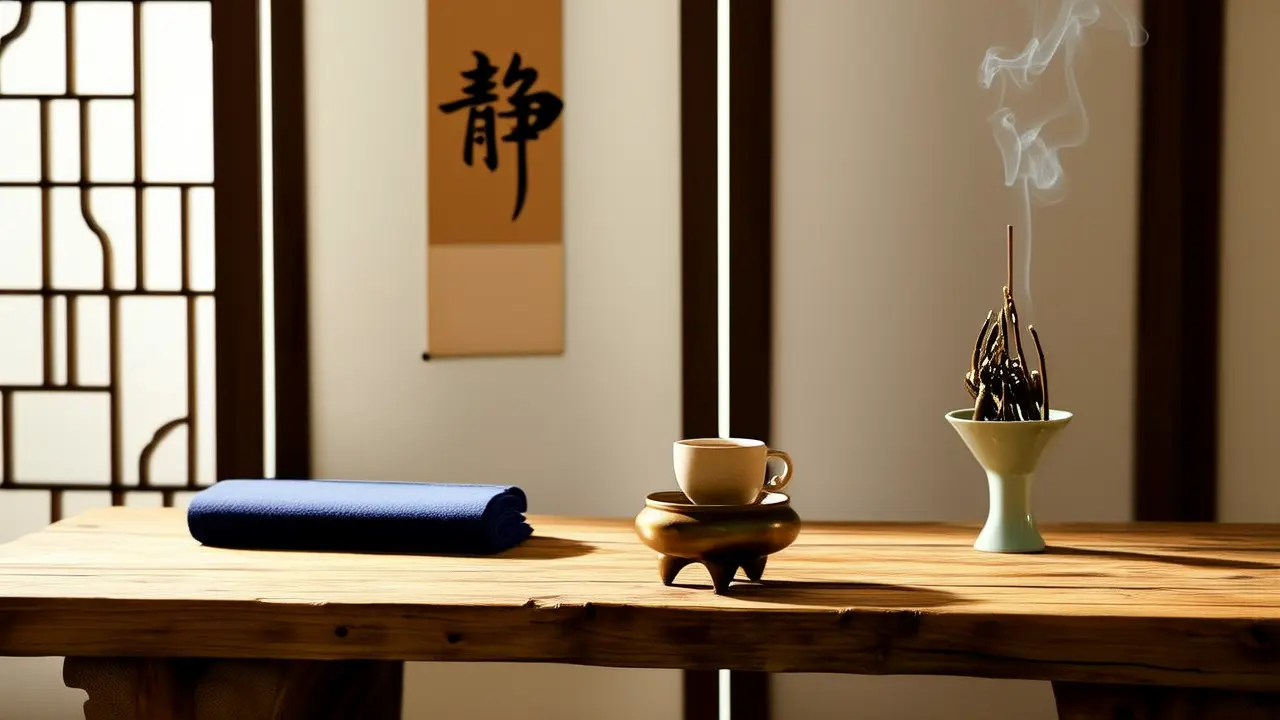
This exercise is suitable for most people, but if you have severe respiratory diseases or mental health issues, please consult a doctor first. If you feel dizzy or uncomfortable during the exercise, stop immediately. Remember, this is a gentle self-care method and cannot replace professional diagnosis or treatment.
Summary: Start with Ten Minutes, Embrace Each Day's Peace
Emotional relief is not complicated; it's in every breath you take. Spend ten minutes each day, put away your phone, shut out distractions, and give yourself some quiet time. When you learn to gently deal with your own emotions, your body and mind naturally move towards harmony. Keep doing it, and you'll find that peace isn't about escaping noise, but a firm inner strength.