Introduction
In today's fast-paced life, emotional fluctuations and stress often make people restless. The Chinese method of nurturing the mind emphasizes using softness to overcome rigidity, subtly harmonizing body and mind. This article will introduce three gentle habits for emotional relief—sitting meditation, walking to nourish the spirit, and smelling fragrances to calm the mind. These practices originate from traditional wisdom but are easy to integrate into daily life, helping you find inner tranquility amidst chaos.
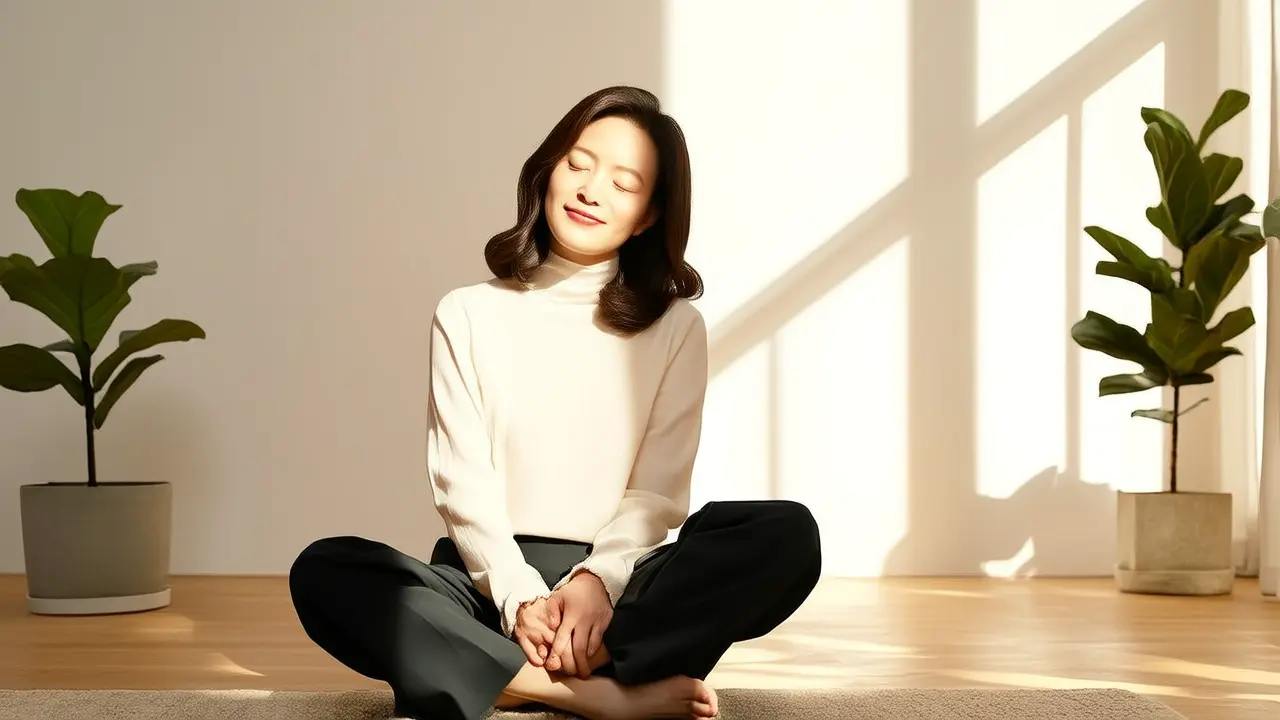
Habit One: Sitting Meditation - Returning to the Rhythm of Breathing
When you feel annoyed, anxious, or distracted, just find a quiet corner and sit comfortably. Close your eyes and focus on your breathing: inhale slowly for four seconds, exhale gently for six seconds. Repeat this for 5-10 minutes. This simple action can activate the parasympathetic nervous system, reduce cortisol levels, and switch your body and mind from "fight mode" to "relaxation mode." According to Traditional Chinese Medicine, breathing is key to regulating the flow of Qi. Deep, long, even breathing can calm the heart fire and nourish the kidney water, achieving balance between Yin and Yang.
Habit Two: Walking to Nourish the Spirit - Settling Thoughts While Walking
When feeling down or having scattered thoughts, don't force yourself to think. Put on comfortable shoes and take a slow walk outdoors, looking far ahead without deliberately focusing on anything. Take smaller steps, let your arms swing naturally, and synchronize your breath with your steps. Just 15-20 minutes each time. While walking, the brain releases endorphins, and according to TCM, "movement generates Yang," and gentle movement can unblock meridians and guide qi back to its proper channels, thus relieving tension and restoring mental clarity.
Habit Three: Smelling Fragrances to Calm the Mind - Using Scents to Soothe Emotions
When emotions fluctuate or when you have trouble sleeping due to an agitated mind, natural scents can quickly stabilize your feelings. Choose essential oils like sandalwood, lavender, or citrus, add 3-5 drops to an aroma diffuser, or directly sniff fresh citrus peels. Scents directly affect the limbic system of the brain through the olfactory nerves, regulating the emotional center. TCM's aromatic therapy emphasizes "qi sensing entering the spirit," where fragrances can promote the flow of Qi, relieve depression, and harmonize internal organs, gradually relaxing tense nerves.
Summary
The above three habits require no special equipment and do not take up much time. The key lies in consistent practice. Just 10-15 minutes of quiet time each day can help you gradually cultivate inner peace. The Chinese way of nurturing the mind is not an abstract theory, but gentle care integrated into daily life. When you learn to deal with emotions in these gentle ways, your heart will naturally become calm and open.