Introduction: Finding Peace in the Busyness
Everyday life is like a non-stop race, from the alarm clock ringing to falling asleep at night. We are often overwhelmed by stress and anxiety. Traditional Chinese health practices emphasize "adjusting according to the time, keeping the qi and blood smooth." Actually, it doesn't require complicated techniques or expensive supplements. Just insert a few gentle exercises throughout the day, and your body and mind can gradually calm down. This "Daily Calm Practice" from morning to bedtime is suitable for any age and constitution, safe and risk-free, helping you easily regain inner peace.
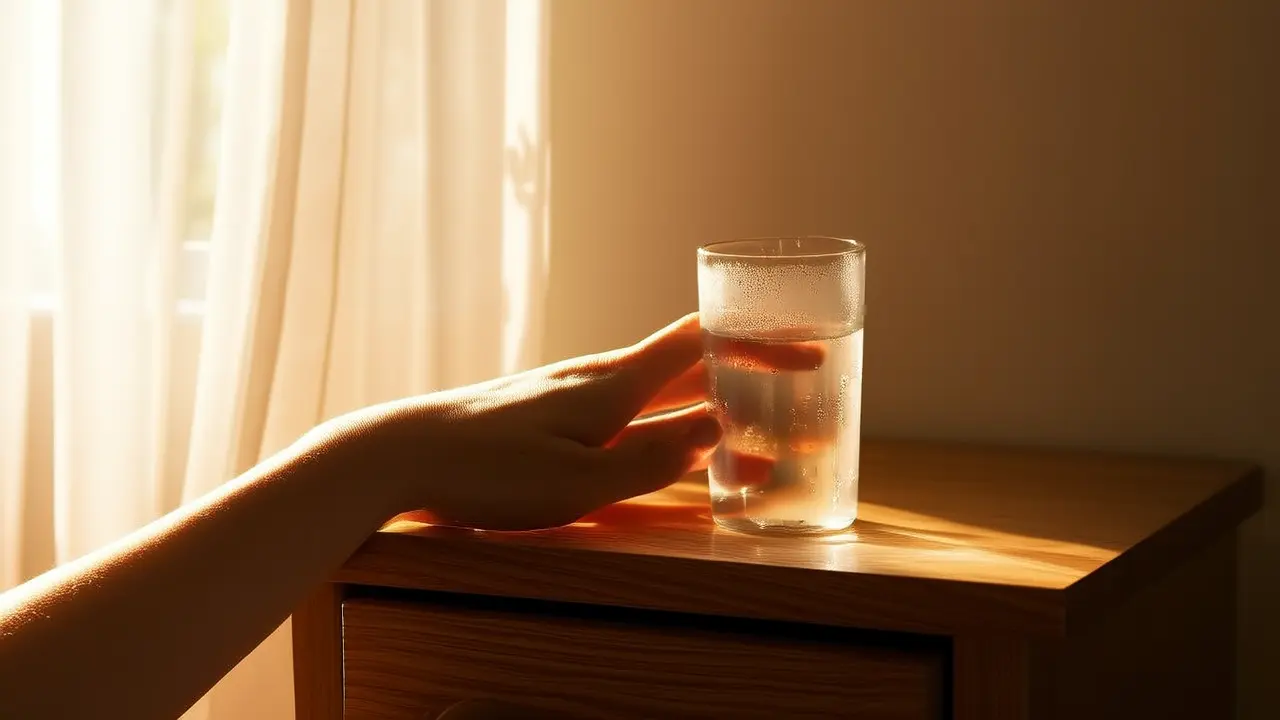
Morning: A Cup of Warm Water After Waking Up, Awakening Qi and Blood
Why is it suitable?
After a night's sleep, the body is in a slightly dehydrated state, with higher blood viscosity. At this time, drinking a cup of warm water (about 200 ml, not too hot or cold) can gently promote intestinal movement, helping the qi and blood "awaken," laying a peaceful foundation for the entire day.
How to do it?
- After waking up, stretch your body and slowly sit up.
- Drink the warm water in small sips, feeling the warmth as it passes through your throat.
- Do not drink ice water or hot tea, which may irritate the stomach and spleen.
Regulation Principle:
Traditional Chinese medicine believes that "the stomach likes warmth and dislikes cold." A cup of warm water in the morning is like lighting a fire for the body, which can moisten dryness and promote the circulation of qi and blood, allowing a smooth transition from sleep to wakefulness.
Afternoon: Five Minutes of Closing Eyes to Rest, Relieving Fatigue
Why is it suitable?
The afternoon is the time when the body's yang energy begins to decline, making it easy to feel lethargic and have heavy eyelids. Forcing yourself to continue will consume more energy; instead, take a short "charge."
How to do it?
- Find a quiet corner, sit down or stand against a wall.
- Gently close your eyes, place your hands naturally on your knees or abdomen.
- Breathe slowly through your nose, inhale for 4 seconds, hold for 2 seconds, exhale for 6 seconds. Repeat 5-10 times.
- After finishing, slowly open your eyes and move your neck and shoulders.
Regulation Principle:
"Closing eyes to rest" is a classic rest method in traditional Chinese medicine. By briefly focusing inward, it allows heart fire to descend and kidney water to rise, achieving the balance of "heart-kidney interaction," quickly restoring energy without overstimulation.
Evening: Massaging Ears, Regulating the Whole Body
Why is it suitable?
The earlobe corresponds to multiple reflex zones of internal organs. In the evening, after a day's fatigue, qi and blood tend to stagnate in the head and face. Gently massaging the ears can unblock meridians and relax nerves.
How to do it?
- Use your thumb and index finger to gently pinch the earlobe, rubbing from the earlobe upward to the ear tip, repeating 10 times.
- Then use your fingers to gently pull the earlobe, stretching it slowly outward and downward for 5 seconds, then release, repeating 3 times.
- Finally, cover your ears with your palms and quickly open and close them several times, feeling the warmth.
Regulation Principle:
Traditional Chinese medicine states that "the ears are where all the meridians gather." Massaging the ears directly stimulates the starting and ending points of multiple meridians, promoting the circulation of qi and blood to the face, alleviating dizziness and headache, while also bringing a sense of security and stability.
Before Bed: Soaking Feet in Warm Water, Guiding Fire Back to the Origin
Why is it suitable?
Going to bed is the time for the body to "retract." Many people find it difficult to fall asleep due to racing thoughts. Soaking feet can guide the floating heat downward, allowing the mind to settle.
How to do it?
- Prepare warm water around 40°C (test the temperature with your hand, not too hot), enough to cover the ankles.
- Put your feet into the water, gently rub the soles of your feet against each other, or massage the bottom of your feet with your hands.
- Soak for 10-15 minutes until you feel a slight warmth in your back.
- Dry your feet and wear socks to keep them warm, avoiding cold feet.
Regulation Principle:
"Warm foot bath is better than taking tonics." The soles of the feet are the starting point of the kidney meridian. Warm water stimulating the Yongquan point can guide the fire downward, calm the mind, and help the body enter a "sleep mode."
Summary: Planting Peace in Daily Life
These exercises don't require large blocks of time or special equipment. A glass of water upon waking, five minutes of closing eyes in the afternoon, ear massage in the evening, and a warm foot bath before bed—each small action tells your body, "Don't rush, let's take it slow." After maintaining this for a week, you'll find it easier to relax, sleep deeper, and feel less tired. This is the essence of traditional Chinese health practices: "peaceful comfort, daily care"—making peace a habit rather than a task.
Disclaimer: The content of this article is for reference only and does not constitute medical diagnosis or treatment advice. If you have any health issues or concerns, please consult a professional physician. The methods mentioned are gentle daily adjustments. If you feel uncomfortable, stop immediately.