Introduction: Let the Night Be a Gentle Healing Moment for Body and Mind
After a busy day, do you often feel exhausted both physically and mentally, even struggling to relax while lying in bed? Traditional Chinese Medicine emphasizes "adjusting according to the time," considering the night as a crucial period when yin and yang alternate, and qi and blood return to their proper places. You don't need complex rituals; simply incorporating a few gentle habits before bedtime can help your body naturally restore balance and bid farewell to fatigue. The following five evening self-care techniques based on TCM principles are simple, safe, and suitable for everyone seeking comfortable sleep.
1. Soaking Feet in Warm Water: Guide Fire Back to Its Origin, Calm the Mind and Spirit
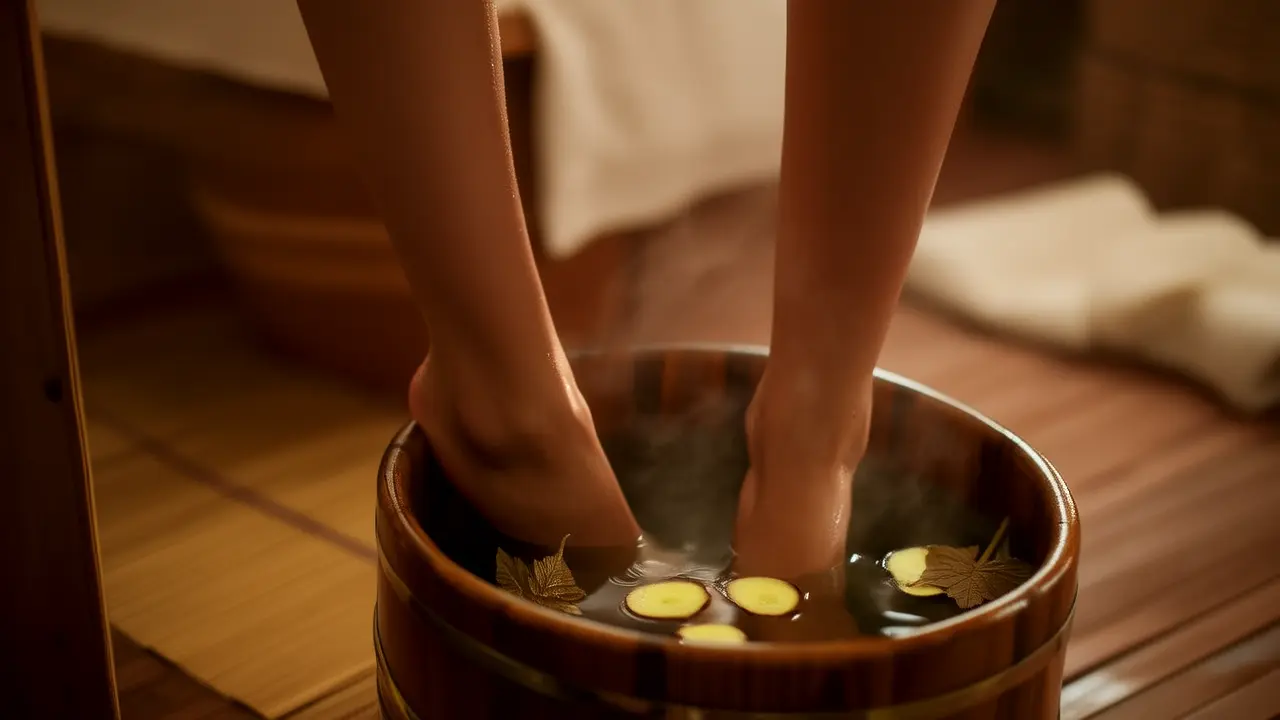
Soak your feet in warm water (around 40°C) for 15-20 minutes before bedtime, with the water level above your ankles. You can add a few slices of ginger or a small amount of mugwort. The principle is that warming your feet helps guide excess yang energy downward, allowing the "fire" to return to its proper place, thus calming the mind. It is suitable for those with cold hands and feet or scattered thoughts. Note that the water temperature should not be too high; a slight sweat is enough, avoid excessive sweating.
2. Gentle Abdominal Massage: Promote the Middle Jiao, Sleep More Deeply
Lie down and rub your palms until they are warm, then gently massage your abdomen clockwise around the navel for 50 circles. The pressure should be light, like caressing a baby. According to TCM, "if the stomach is uncomfortable, sleep will be restless." This action promotes smooth circulation of the spleen and stomach's qi and blood, relieving bloating or mild discomfort. It is especially suitable for those who eat late or have poor digestion.
3. Sitting Quietly Before Bed: Gather the Mind, Reduce Heart Fire
Sit on the edge of the bed or on a cushion, keep your back naturally straight, place your hands lightly on your knees, close your eyes, and focus on your breath for 5-10 minutes. There is no need to deliberately pursue "emptiness"; just observe your breath. This habit helps bring back scattered thoughts from the day, reducing irritability and palpitations caused by excessive heart fire. It is suitable for those who overthink or cannot stop thinking before bedtime.
4. Five-Finger Scalp Massage: Unblock Meridians, Alleviate Tension
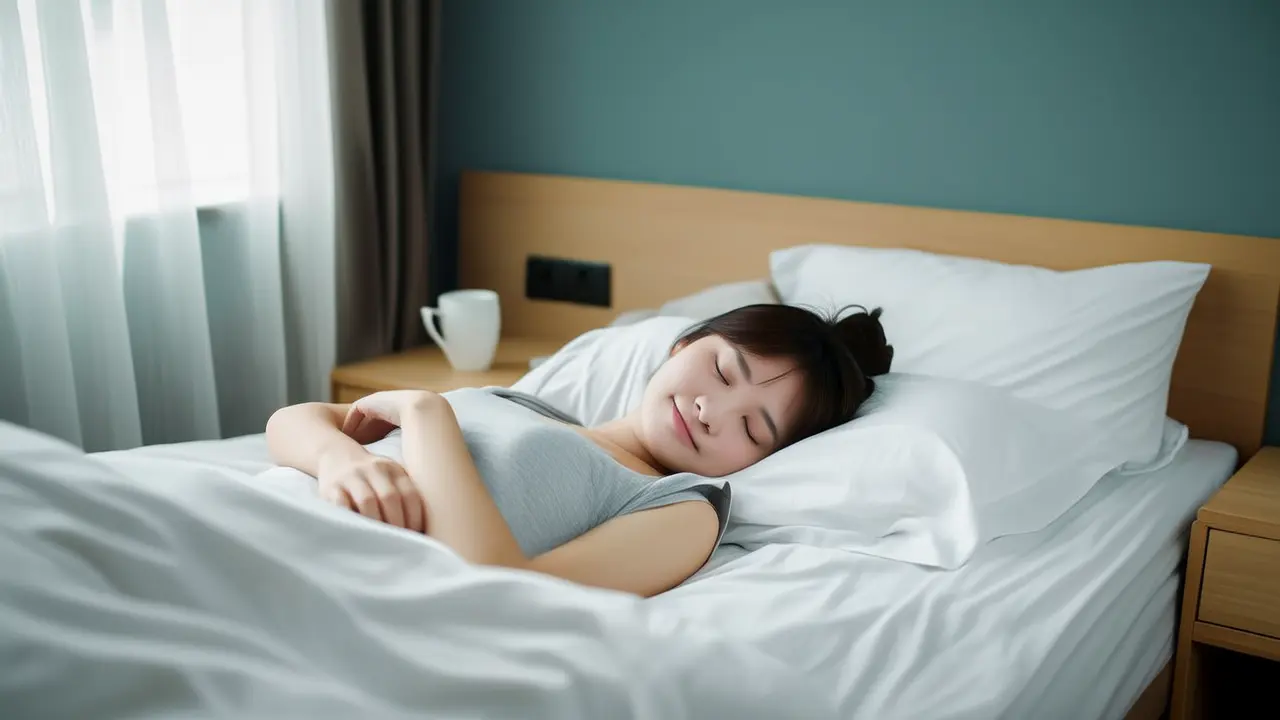
Spread your fingers and slowly comb your scalp from the forehead hairline to the back of the head, like using a comb, repeating 30-50 times. The pressure should be comfortable for the scalp. The head is the convergence point of all yang meridians; massaging it helps unblock meridians, relax head muscles, and relieve tension accumulated during the day. It is particularly suitable for those who overuse their brains or experience headaches and eye strain.
5. Sipping a Warm Drink: Nourish Yin, Moisturize and Promote Sleep
Drink a small amount of warm water (or a cup of diluted honey water or warm milk) one hour before bedtime. TCM emphasizes "yin equilibrium and yang secrecy," and during the night, yin energy dominates. A small amount of warm water helps nourish yin, preventing dryness and heat at night. Note that you should not drink too much to avoid frequent urination, nor should you consume cold drinks. It is suitable for all constitutions, especially during dry seasons.
Summary: Practice Daily, Gentle Self-Healing
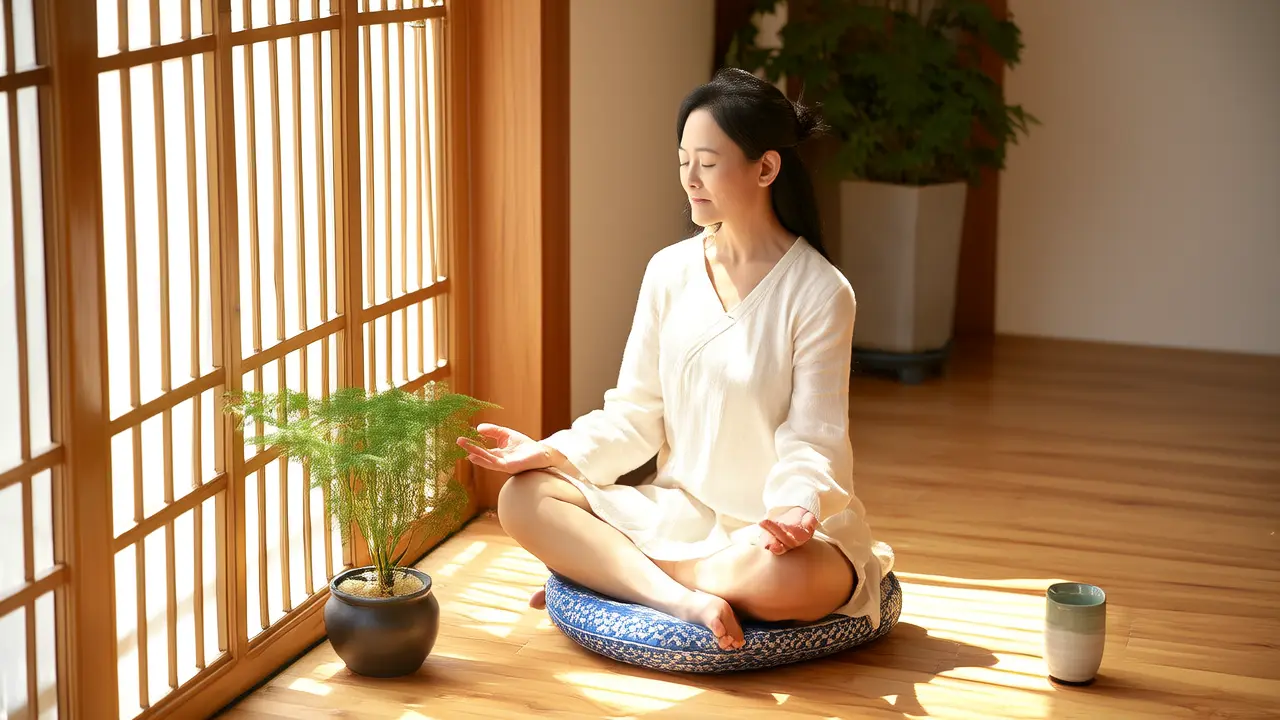
These five small habits require no strict adherence; simply try one or two when you feel tired and unable to relax. They do not treat diseases or diagnose conditions, but through daily care, they help your body return to a natural state of "smooth qi and blood circulation, and relaxed body and mind." Remember, true health is about performing each action with kindness and patience. May your nights be gentle companions, and may you wake up refreshed and clear-headed.
Disclaimer: The content of this article is for general health knowledge sharing only and does not constitute medical advice. If you have chronic diseases or special health conditions, please consult a professional TCM practitioner or doctor. All adjustment methods should be based on personal comfort, and if any discomfort occurs, stop immediately.