Introduction
In today's fast-paced modern life, do you often feel tired, anxious, or physically tense? Actually, awakening overall vitality does not require intense exercise or complex therapies. A gentle emotional relaxation method originating from ancient Chinese medical wisdom can help you easily relax your mind and body, restoring inner balance. This article shares a safe and simple daily tip that allows you to quickly regain calmness when feeling emotionally unwell.
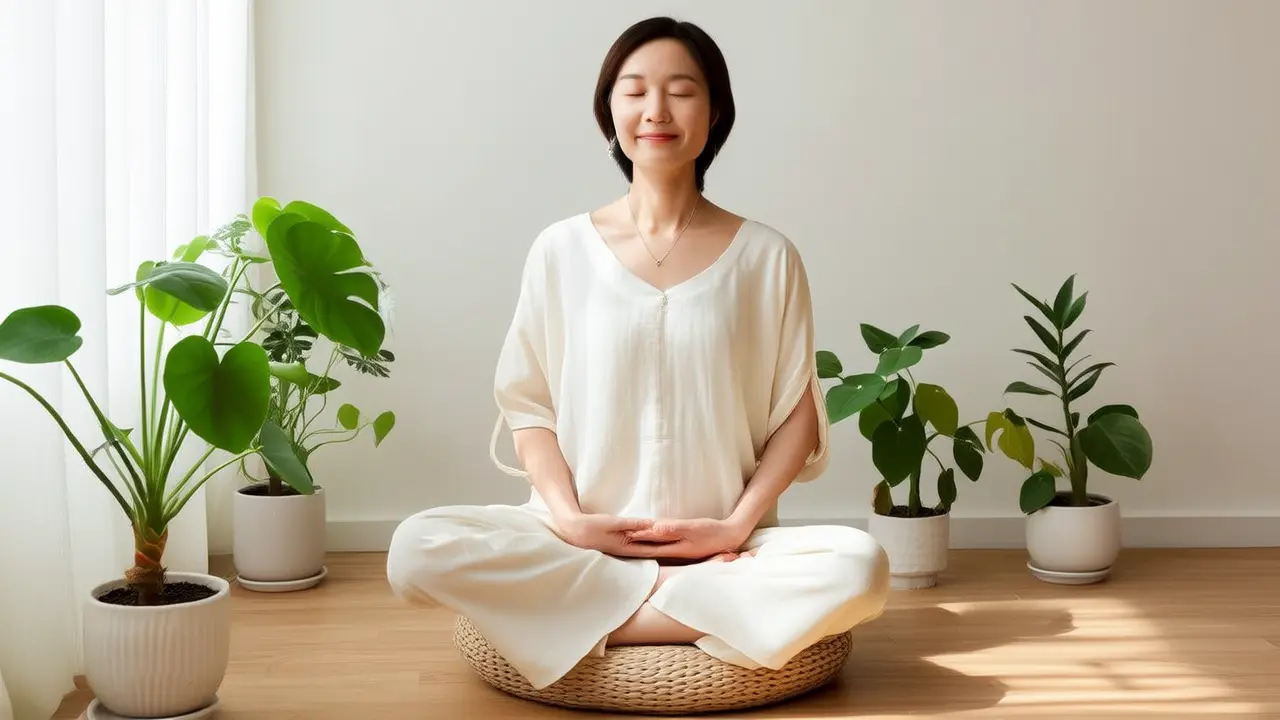
Why Does Emotional Relaxation Awaken Vitality?
Traditional Chinese medicine believes that emotional fluctuations disrupt the flow of qi and blood, leading to qi stagnation and imbalance of yin and yang. When anxiety, anger, or sadness occupy the mind, the body enters a tense state, consuming a lot of energy. Gentle emotional relaxation methods regulate breathing, perform light movements, and guide the mind, which can unblock meridians, calm the mind, and allow the body's yang energy to rise naturally while yin energy is nourished, thus awakening suppressed overall vitality. This is not an enforced "boost," but a way of harmonizing with nature.
Core Technique: Calm the Mind and Deep Breathing
Appropriate Times
You can use this technique whenever you feel palpitations, irritability, high pressure, quick temper, or inexplicable fatigue. It suits any quiet environment, such as at home, in a corner of the office, or on a park bench.
Steps to Practice
- Step 1: Find a comfortable place to sit or stand, place both feet flat on the ground, keep your spine straight but not stiff. Gently close your eyes.
- Step 2: Cross your hands over your lower abdomen (about three fingers below the navel), with palms facing inward. Imagine a warm energy ball there.
- Step 3: Inhale slowly through your nose, counting 4 seconds, feeling your lower abdomen swell like a balloon. At the same time, imagine clear and peaceful energy flowing from the top of your head to your lower abdomen.
- Step 4: Hold your breath for 2 seconds, then exhale slowly through your mouth, counting 6 seconds, feeling your lower abdomen sink, and imagine the tension and irritability leaving with your exhalation. Make a soft "hu" sound while exhaling.
- Step 5: Repeat the above steps 5-10 times, gradually focusing entirely on your breathing and the movement of your abdomen. If your mind wanders, gently bring it back.
Mild Adjustment Principle
This technique combines the principle of "qi sinking to the dantian" in traditional Chinese medicine with abdominal breathing in Western medicine. Deep inhalation and slow exhalation activate the parasympathetic nervous system, lowering heart rate and blood pressure; focusing the mind on the lower abdomen (dantian) guides the qi back to its origin, achieving "yin peace and yang secrecy." After several repetitions, you will feel a warm, relaxed sensation arising from within, with a clear mind and a light body - this is the signal that overall vitality has been awakened.
Daily Integration Suggestions
You can practice this for 3 minutes after waking up in the morning, during lunch breaks, or before facing challenges. You can also turn it into a bedtime ritual to help calm a busy mind. After practicing consistently for a week, your emotional stability will significantly improve, making you calmer and more energetic. Note: If you have severe psychological or physical illnesses, please consult professionals.
Summary
Awakening overall vitality does not require external stimulation; it only requires returning to the simple connection between breathing and the body. Calming the mind and nurturing qi, gently relaxing, allows your mind and body to find their own peace and strength within the balance of yin and yang. From today, use this 3-minute short exercise to give yourself a gentle charging moment.
Disclaimer: The content of this article is for reference only in health and wellness, and does not constitute medical diagnosis or treatment advice. If you experience physical discomfort or emotional distress, please seek professional help promptly.