Introduction: Eating According to the Seasons for a Lighter Body
Ancients often said, "Do not eat out of season," meaning that food should be consumed in accordance with natural rhythms. There are 24 solar terms in a year, each with unique climate characteristics and seasonal ingredients. Adjusting your meals according to the seasons not only allows you to enjoy the freshest flavors but also gently nourishes your body and alleviates discomfort during seasonal transitions. Today, we'll share a few simple and easy-to-make seasonal health recipes so you can easily practice them at home.
Spring: Soothe the Liver, Eat More Sprouts
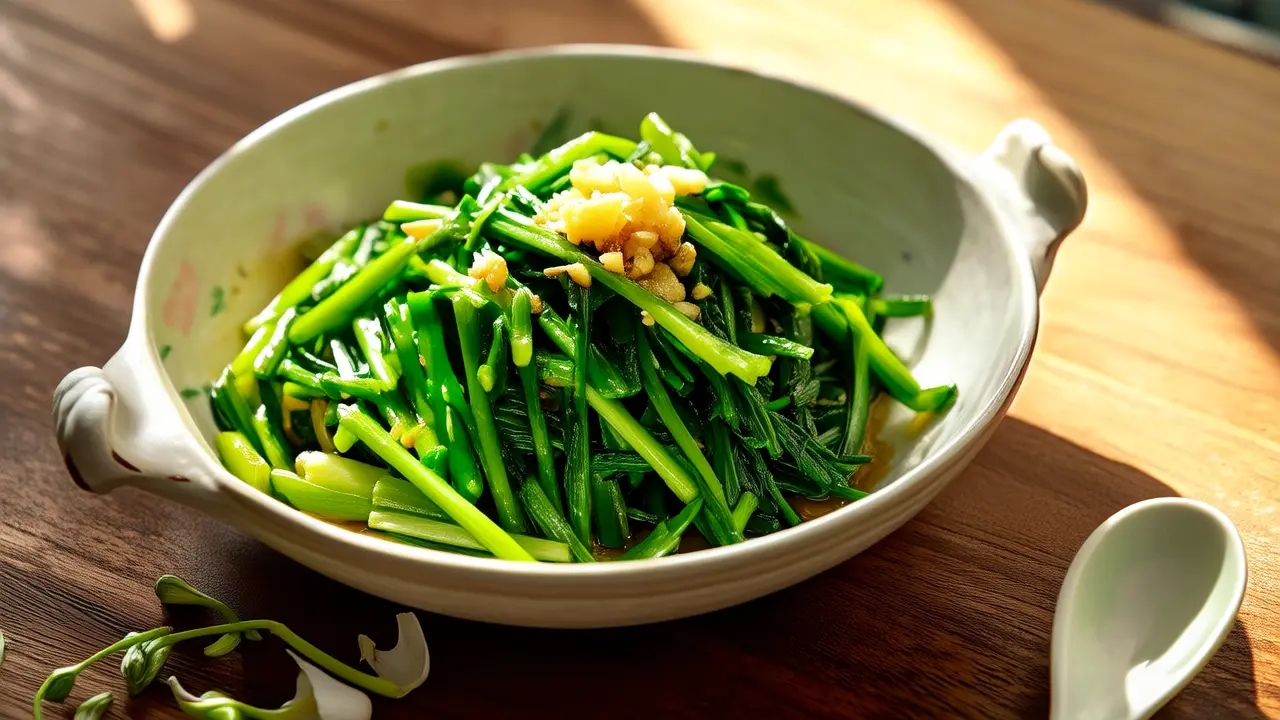
Spring is a time when all things flourish, and human liver energy is strong. At this time, it's common to experience spring fatigue and emotional fluctuations. We recommend a dish called Stir-fried Leek and Mung Bean Sprouts: wash leeks and mung bean sprouts, then quickly stir-fry them in a hot pan with a little oil, adding a small amount of salt. Leeks have a warming effect and help promote vitality, while bean sprouts clear heat and remove dampness, making them very suitable for spring consumption. You can also drink rose flower tea regularly to soothe the liver and regulate qi.
Summer: Clear Heat and Remove Dampness, Let Fruits and Vegetables Take the Lead
Summer is hot and humid, which can lead to poor appetite and a heavy feeling in the body. We recommend Winter Melon and Coix Seed Soup: peel and cut winter melon into pieces, soak coix seeds for 2 hours in advance, then cook them together with pork ribs or lean meat for 40 minutes, adding ginger slices for flavor. Winter melon helps diurese and reduce swelling, while coix seed strengthens the spleen and removes dampness, leaving you refreshed after a bowl. Additionally, drinking water made from the white part under the green rind of a watermelon can also help beat the heat.
Autumn: Nourish Yin and Moisturize Lungs, Focus on White Ingredients
Autumn has a dry climate, which can lead to coughs and dry skin. We recommend White Fungus and Pear Porridge: rehydrate the white fungus and tear it into small pieces, cut the pear into chunks after removing the core, and simmer with red dates and rock sugar for 30 minutes. Both white fungus and pears are white foods; according to traditional Chinese medicine, white foods enter the lungs and can moisten dryness and generate body fluids. Drinking a small bowl every morning keeps your throat comfortable and your skin moisturized.
Winter: Warmly Nourish Kidney Yang, Root Vegetables Are King
Winter is cold, and the body needs to store energy. We recommend Chinese Yam and Lamb Soup: after blanching the lamb, cook it together with Chinese yam, carrot, and ginger slices for one hour, then add goji berries and salt at the end. Chinese yam strengthens the spleen and nourishes the kidneys, while lamb warms and replenishes yang energy, leaving you warm and cozy after drinking. It's also good to eat more root vegetables like radishes and potatoes in winter, following the principle of winter storage.
Summary: Eat According to the Seasons for a Healthier Body
Seasonal health practices are not complicated; the core is "following the seasons." Eat sprouts in spring, fruits and vegetables in summer, fruits in autumn, and roots in winter. Pair each meal with seasonal vegetables and an appropriate amount of protein, keep oil and salt intake low, and maintain a relaxed mindset. After practicing for some time, you will find your body better adapts to seasonal changes and feels energetic all day. Remember, health preservation is not a task, but a way to enjoy life.
Disclaimer: The content of this article is for reference only and does not constitute medical advice. If you have specific health conditions, please consult a professional physician.