Introduction: The "Invisible Savior" for People Who Sit a Lot
Do you often feel like there's a stone on your shoulders and neck, with a cracking sound when you turn your head? This is not an isolated case—long periods of hunching over desks or staring at phones cause continuous tension in the shoulder and neck muscles, slow down blood circulation, and lead to fatigue. There is a traditional Chinese health method that has been passed down for thousands of years. It requires no equipment, can be done anywhere, and only needs 10 minutes a day to gently relax stiff muscles and help your body return to a comfortable and relaxed state. It is standing post practice—seemingly still, but internally, the qi and blood are quietly flowing.
What is Standing Post Practice?
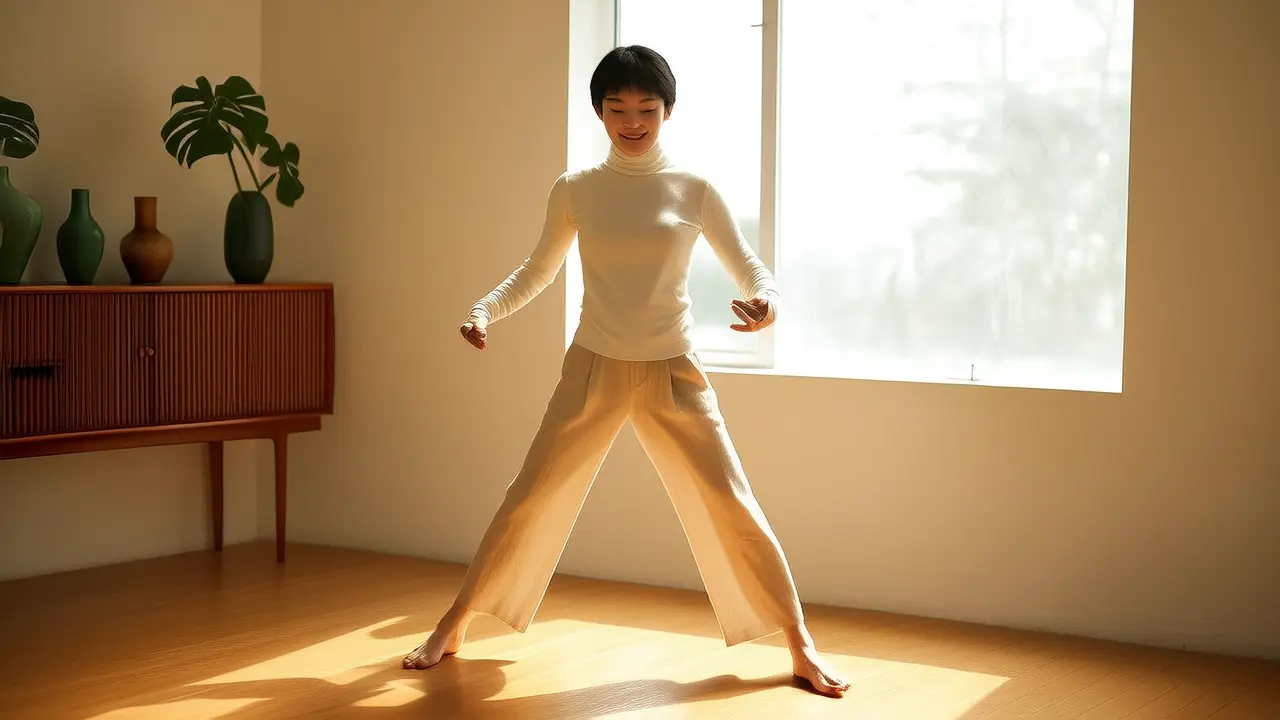
Standing post practice is not simply "standing as punishment," but a static, conscious relaxation exercise. Stand with feet slightly apart, knees not extending beyond the toes, pelvis neutral, spine naturally extended, and hands clasped in front of the abdomen. This posture helps the body return to its most natural biomechanical structure, gradually loosening the fascia in the shoulders, neck, and back, while guiding the flow of qi and blood through deep breathing, achieving a "quiet outside, active inside" regulatory effect.
Applicable Groups:
- People who work long hours on computers or use their phones heavily
- Individuals experiencing shoulder and neck discomfort or upper back stiffness
- People prone to tension or having trouble falling asleep
- Health enthusiasts looking for gentle exercise and improved posture
Step-by-Step Guide to the Exercise (10 Minutes Daily)
Step One: Preparatory Posture
Stand with feet shoulder-width apart, toes slightly inward. Slightly bend the knees, as if about to sit down. Lower the hips backward and downward. Tuck in the abdomen, slightly tuck the chest, lift the back, and slightly tuck the chin, as if there's a string gently pulling the top of the head upward. Clasp the hands in front of the chest, fingers naturally spread, palms facing inward, about 30 centimeters from the body, as if embracing a small tree.
Step Two: Breathing and Relaxation
Close your eyes and breathe in slowly through the nose, feeling the breath sink into the lower abdomen (the abdomen slightly swells). Exhale very slowly through the mouth, imagining that the tension in the shoulders and neck and mental distractions are being exhaled. Inhale for 4 seconds, exhale for 6 seconds, maintaining this rhythm.
Step Three: Guiding the Mind
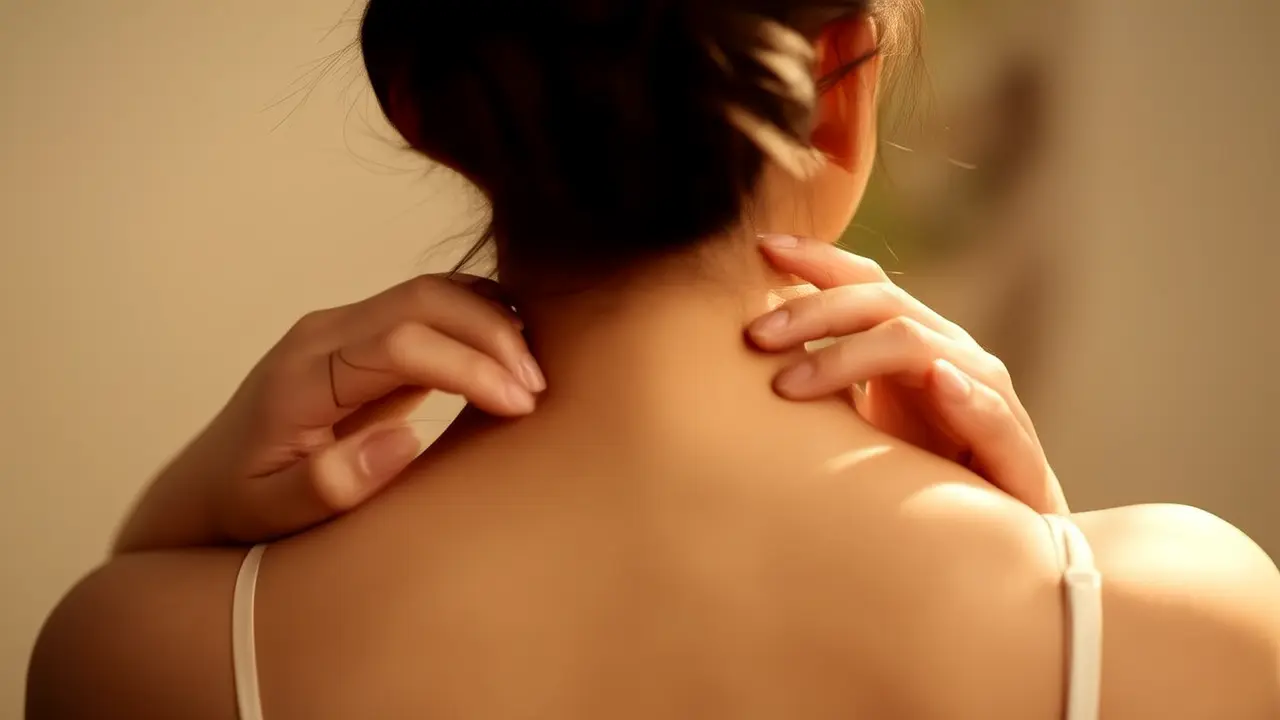
As you exhale, imagine a warm "qi and blood" flowing from the Baihui point on the top of your head, down along the spine through the shoulder blades, back, and waist, all the way to the soles of your feet. At first, you may not feel much, but after a few days of practice, you will feel a slight warmth or soreness in your shoulders and neck—this is the sensation of qi and blood unblocking blockages.
Mild Adjustment Principle: Unblocking Qi and Blood, Balancing Movement and Stillness
According to Traditional Chinese Medicine, "if there is no obstruction, there is no pain; if there is pain, there is obstruction." Stiffness in the shoulders and neck often results from poor circulation of qi and blood and prolonged muscle tension. Standing post practice, by slightly bending the knees and relaxing the waist and hips, allows the lower limbs to bear part of the body weight, thus freeing the upper body—there is no need for the back to contract forcefully to maintain stability, allowing the fascia in the shoulders and neck to naturally stretch. Combined with deep breathing, the diaphragm descends, changing the pressure in the abdominal cavity, promoting venous blood return and improving cerebral blood supply. Throughout the process, the body appears still, but internal breathing, circulation, and fascia are gently "active"—this is what traditional Chinese health practices refer to as "external stillness, internal movement, and self-regulation of qi and blood."
Summary: 10 Minutes Daily, Reboot Your Body Effortlessly
Standing post practice does not aim for heavy sweating or emphasize absolute standard movements; the key lies in sensing the feedback from your body. Spend 10 minutes daily in a quiet corner, take off your shoes, and let yourself stand firmly like a tree. After a few days, you'll find that the range of motion in your neck increases, your shoulders feel lighter, and even your sleep quality may improve. Remember, health care is not about fighting against your body, but about gentle companionship and unblocking. Start today, give your shoulders and neck 10 minutes, and let the qi and blood flow again.
Disclaimer: The content of this article is for educational purposes only and does not constitute medical advice. If you have severe shoulder and neck pain, cervical spondylosis, or other diagnosed conditions, please consult a professional physician and exercise under their guidance. This article is not intended to replace any professional treatment.