Introduction
As autumn winds gradually rise and leaves turn yellow, nature begins to shift from prosperity to restraint. Traditional Chinese medicine emphasizes following the seasons. Autumn is the season of "receiving" — yang energy becomes inward, while yin energy gradually increases. If you don't adjust your lifestyle and emotional state in time, it's easy to feel tired, irritable, or even lay the groundwork for health issues in winter. In fact, just a few gentle adjustments can help you smoothly transition, allowing both body and mind to calmly welcome the cold winter.
Go to bed early and rise early, following the "receiving" of yang energy

The late bedtime and early rising habits of summer need to change in autumn. According to traditional Chinese medicine, autumn should follow the principle of "going to bed early and rising early, as chickens do." Going to bed earlier at night helps the body to collect yang energy and reduce its dissipation; getting up early in the morning helps to expand lung energy and avoid autumn fatigue. It is recommended to go to bed before 10:30 PM and get up around 6:30 AM. If you have trouble falling asleep, soaking your feet in warm water for 15 minutes before bedtime, adding a few slices of ginger, can help to dispel cold and calm the mind.
Adjust clothing with rhythm, protect the neck, back, and abdomen
Autumn has large temperature differences between day and night, but it's not advisable to wear thick clothes too early. The principle of "spring wrapping and autumn freezing" emphasizes that moderate coolness can help build resistance. However, the key areas — the back of the neck, back, and abdomen — must be kept warm. These areas are where yang energy gathers, and once they get cold, it's easy to catch a cold or experience gastrointestinal discomfort. Carry a thin scarf with you when going out, and wear it in the morning and evening; take it off when the temperature rises at noon, adjusting flexibly.
Dietary Moisturizing and Lung Nourishment, Less Pungent and More Sour
Autumn dryness easily harms the lungs, causing discomfort such as dry mouth, dry skin, and dry coughs. Diet should reduce pungent foods like chili peppers and Sichuan pepper to avoid worsening dry heat. Instead, appropriately increase ingredients that nourish yin and moisten the lungs, such as pears, white fungus, lily bulbs, and sesame seeds. The simplest method: cut pears without cores into pieces, add a few red dates and rock sugar, steam them for 20 minutes over water, and you will have a bowl of warm and moist autumn pear soup. Drink a small bowl every afternoon for a refreshing and comfortable feeling.
Gentle Exercise and Emotional Relief
It's not advisable to engage in intense exercise in autumn, as this can excessively consume yang energy. Tai Chi, Eight Pieces of Silk, or walking are more suitable, and 30 minutes a day is sufficient. At the same time, autumn often brings melancholy feelings. You can choose to go out for a walk on sunny days, or chat with friends over tea. A recommended deep breathing exercise: in the morning, face the window, inhale deeply through the nose for 4 seconds, hold for 4 seconds, then exhale slowly through the mouth for 6 seconds. Repeat this 5 times, which can help promote lung function and stabilize the mind.
Summary
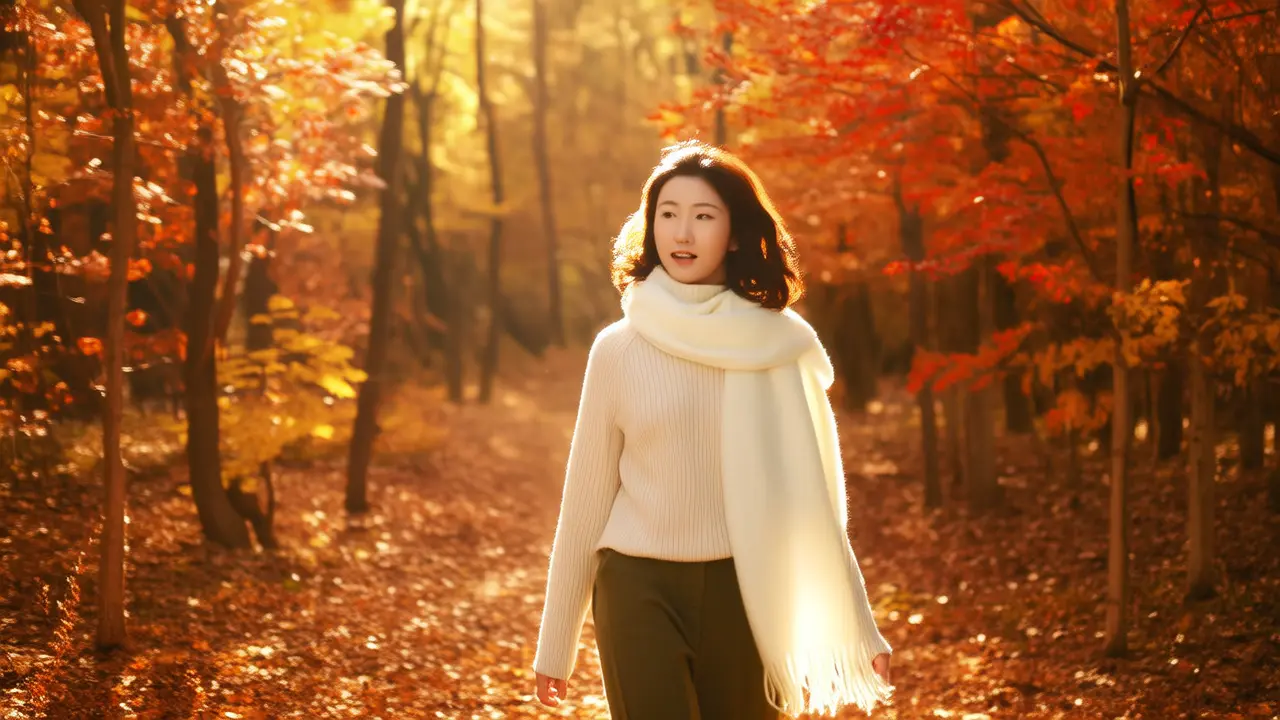
From adjusting sleep schedules to managing clothing, from moisturizing diets to gentle exercises — these seemingly simple habits are the core principles of autumn's "restraint and tranquility." They don't require you to make significant changes; just a little more awareness in daily life. When we align with the natural rhythm, we can gently accumulate energy and calmly step into winter.
Disclaimer: The content of this article is for reference only and does not constitute medical diagnosis or treatment advice. For specific health issues, please consult a professional doctor.