Introduction: Why Do We Need Gentle Relaxation Methods?
In a fast-paced life, tension and anxiety often appear without invitation. Many mistakenly believe that easing emotions requires complex methods or professional equipment, which is not the case. From the perspective of traditional Chinese medicine's health preservation wisdom, emotional imbalance is a signal of internal yin-yang disharmony and imbalanced qi and blood. With some gentle and simple daily habits, you can gradually nourish your body and mind, bringing your inner self back to peace. Below are three small techniques, requiring no prior experience, and can be done anytime.
Technique One: Abdominal Breathing - Regulating Yin and Yang with Breathing
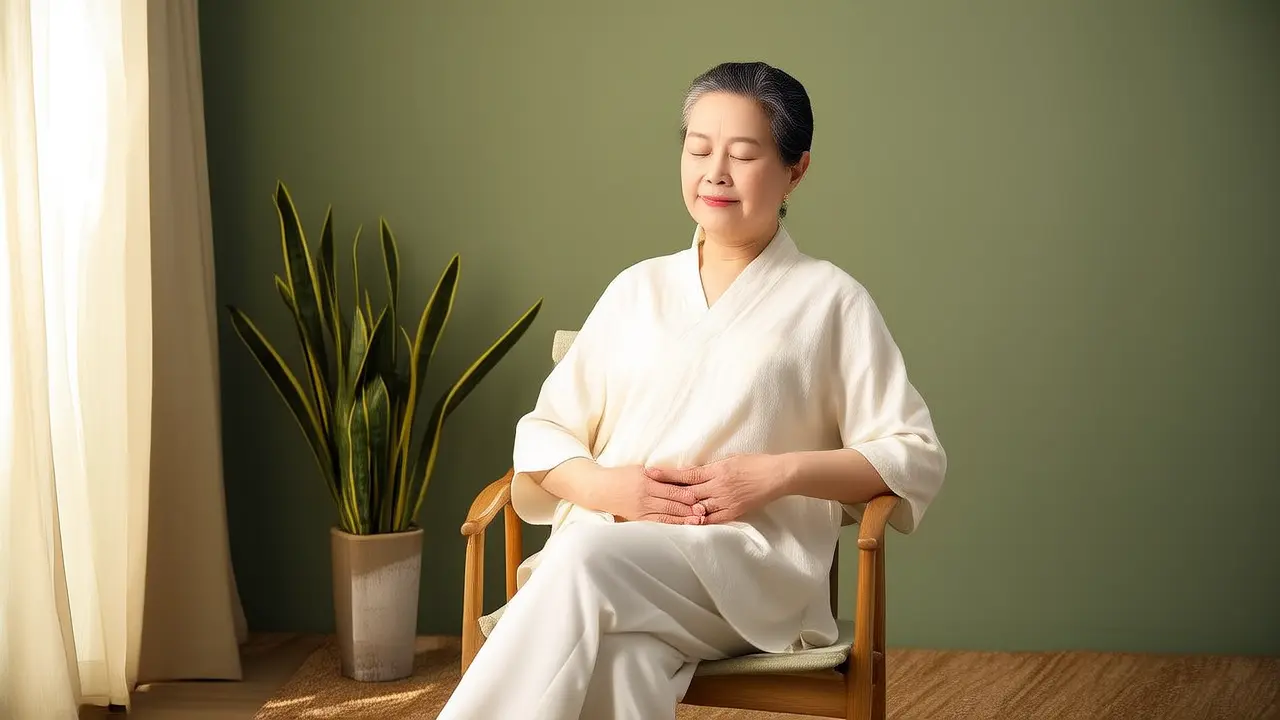
When you feel restless, first find a quiet corner and sit down. You don't need to cross your legs; a chair works just fine. Place your hands lightly on your abdomen, inhale slowly through your nose, feeling your belly rise like a balloon, silently counting to 4; then hold your breath for 2 seconds, and exhale slowly through your mouth, counting to 6, allowing your abdomen to contract. Repeat this cycle 5-10 times.Principle: Abdominal breathing can activate the parasympathetic nervous system, suppressing stress reactions; from a TCM perspective, breathing is the foundation of "cultivating qi," and deep breathing helps guide qi back to its origin, balancing yin and yang, and calming the mind.
Technique Two: Warm Foot Bath - Guiding Fire Downward, Soothing the Mind and Nourishing the Heart
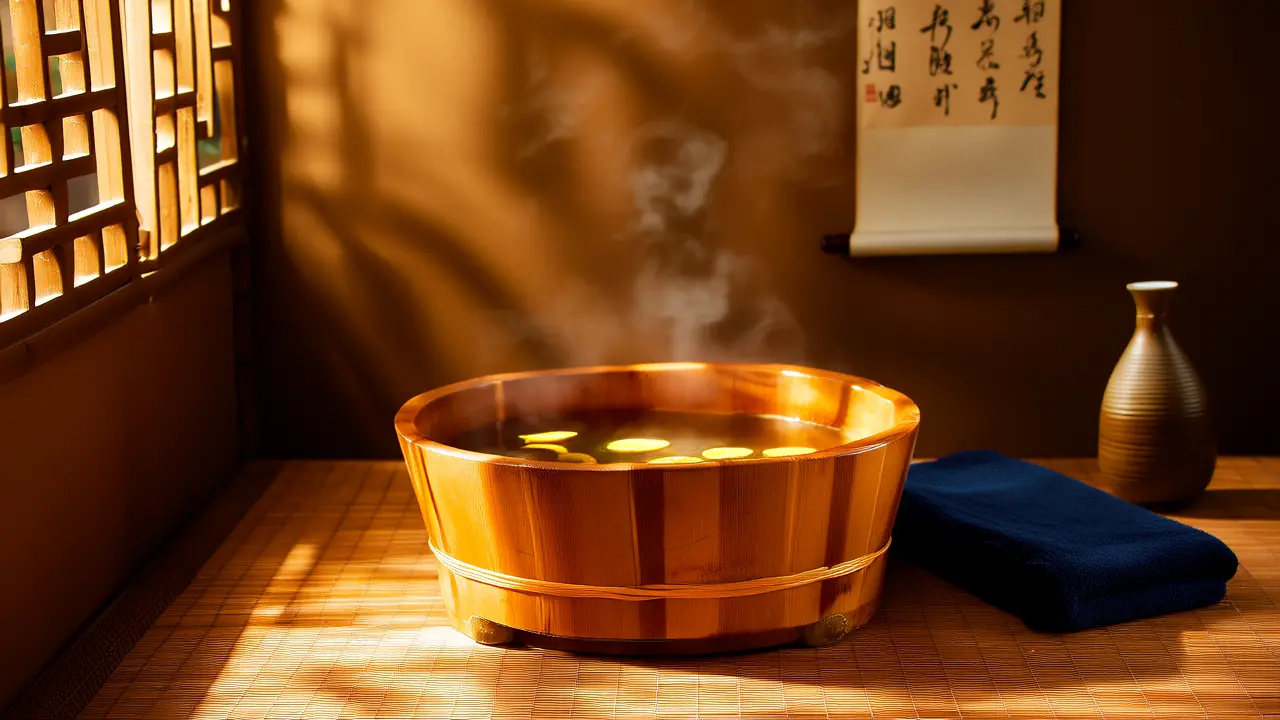
Half an hour before bedtime, soak your feet in warm water around 40°C for 15 minutes. The water should cover your ankles, and adding a handful of coarse salt or a few slices of ginger can enhance the effect. While soaking your feet, close your eyes and quietly feel the warmth rising from your soles. This is a commonly used TCM method called "guiding fire back to its origin": modern people overthink, causing excessive internal heat leading to insomnia and irritability. The warm stimulation helps guide the upward-moving blood and qi downward, combined with mindful awareness, allowing the body and mind to shift from "activity" to "stillness."
Technique Three: Mindful Walking - Finding Stillness in Movement, Balancing Qi and Blood
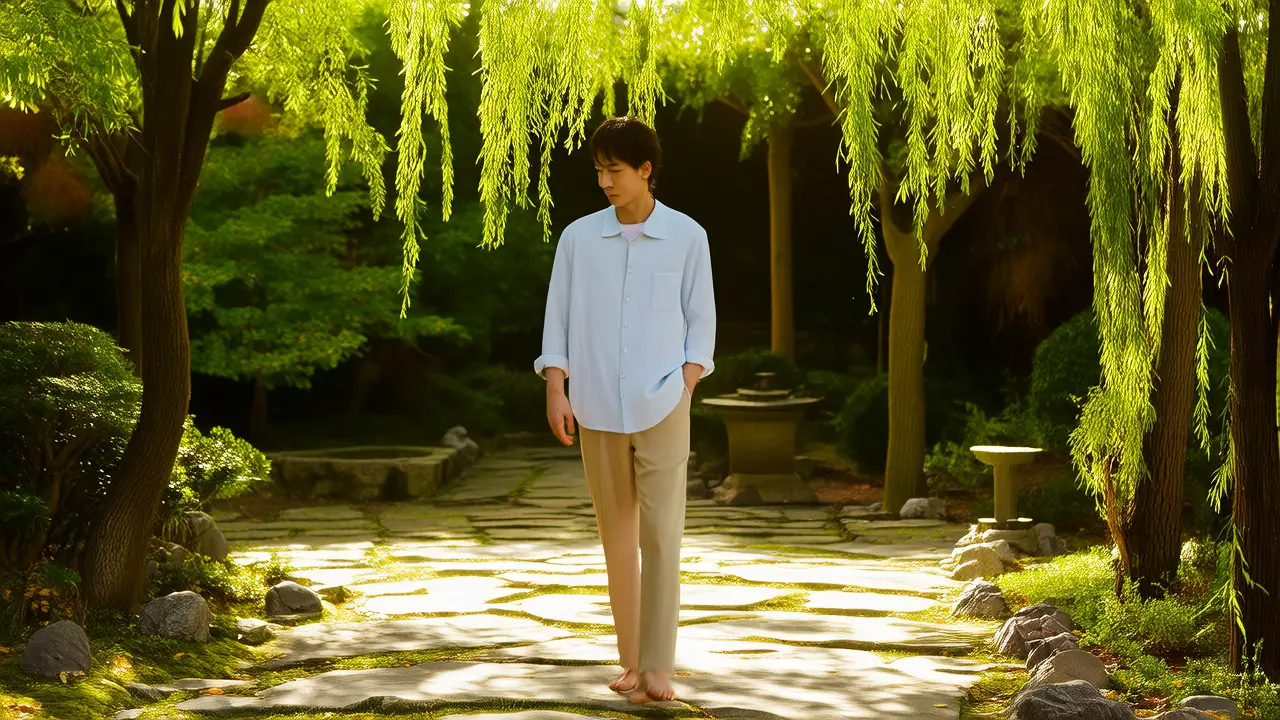
When feeling down or irritable, there's no need for intense exercise. Put on comfortable shoes and take a 10-minute walk outdoors or on the balcony. Focus your attention on the sensation of your feet touching the ground while walking, step by step, without rushing or thinking about problems. TCM believes that "prolonged lying harms qi, prolonged sitting harms muscles," and gentle exercise can promote the flow of qi and blood, relieve liver stagnation; mindfulness prevents mental exhaustion, helping scattered thoughts return to the present moment, achieving a balanced state of body and mind.
Summary: Relaxation Doesn't Need to Be Complicated, Consistency Is the Best Medicine
Calming emotions is not difficult. These three small practices—abdominal breathing, warm foot baths, and mindful walking—not only provide immediate relief from tension but also, with consistent practice, can balance yin and yang and nourish qi and blood from the root. There's no need to pursue perfection; choose one each day for 5 minutes, and you will find that a sense of inner peace gradually grows. May these gentle exercises become a peaceful harbor in your daily life.
Disclaimer: This article is for reference only and should not be considered as medical diagnosis or treatment. If you have severe emotional distress or mental health issues, please consult a professional doctor or psychological counselor.