Mornings can feel rushed, but in Chinese tradition, the first moments of the day are a quiet gift. Instead of jumping out of bed and grabbing coffee, try a soft, nurturing habit that helps your body wake up gently. One of the simplest and most beloved practices is drinking a cup of warm water as soon as you open your eyes. Let's explore this small but powerful routine.
The Gentle Morning Warm Water Habit
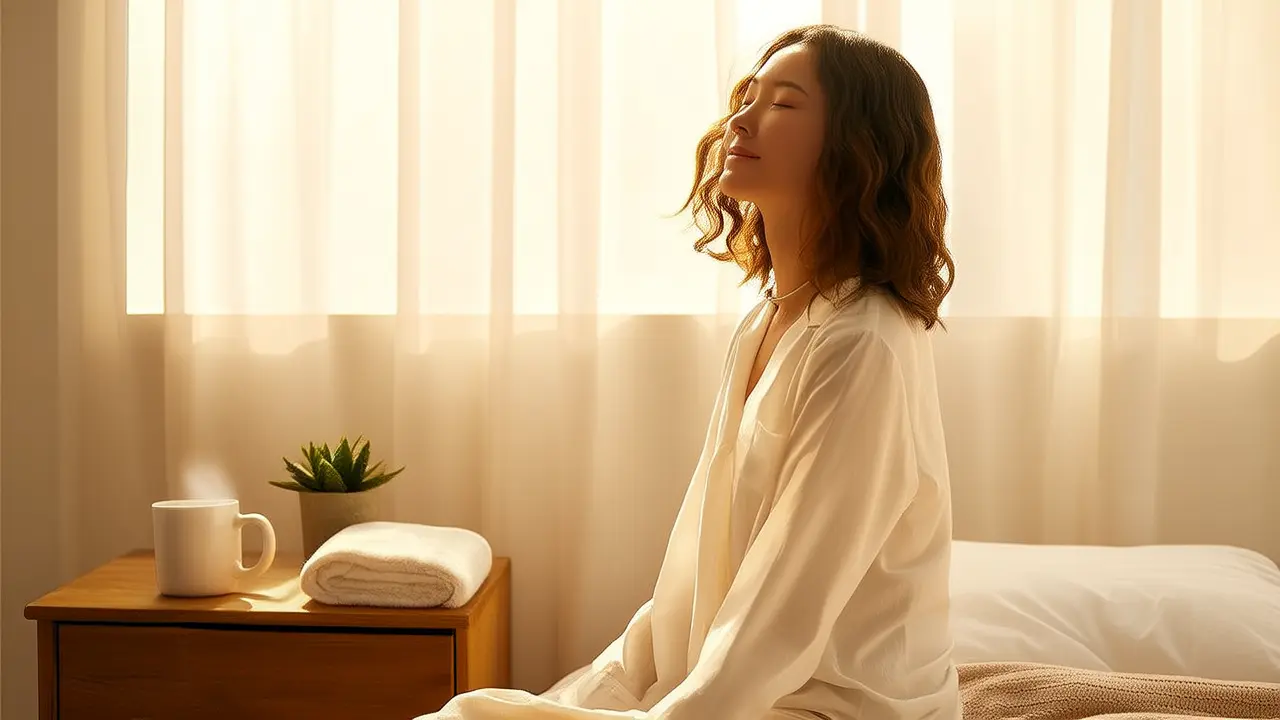
In many Chinese households, the day begins with a warm cup of water – not hot, not cold, just comfortably warm. This isn't a medical treatment; it's a daily care practice that supports your body's natural rhythm. The idea is to help your insides wake up slowly, just like the sun rises.
When to Do It and When to Skip
This habit is perfect for every morning, especially if you often feel groggy or have a dry mouth after sleep. It's safe for most people. However, if you have a medical condition like severe acid reflux or are advised by your doctor to limit fluids, please check first. Always listen to your body.
How to Do It – Simple Steps
- Before you get out of bed, place a thermosof warm water on your nightstand the night before. Or boil water and let it cool until it's pleasant to sip.
- Immediately after waking, sit up slowly. Take a few deep breaths.
- Drink the warm water in small, gentle sips. Don't gulp. Sip for about 2-3 minutes. You can drink half a cup to one cup (150-250 ml).
- Wait 10-15 minutes before eating breakfast. This gives your digestive system a gentle start.
Why It Works – Gentle Chinese Wisdom
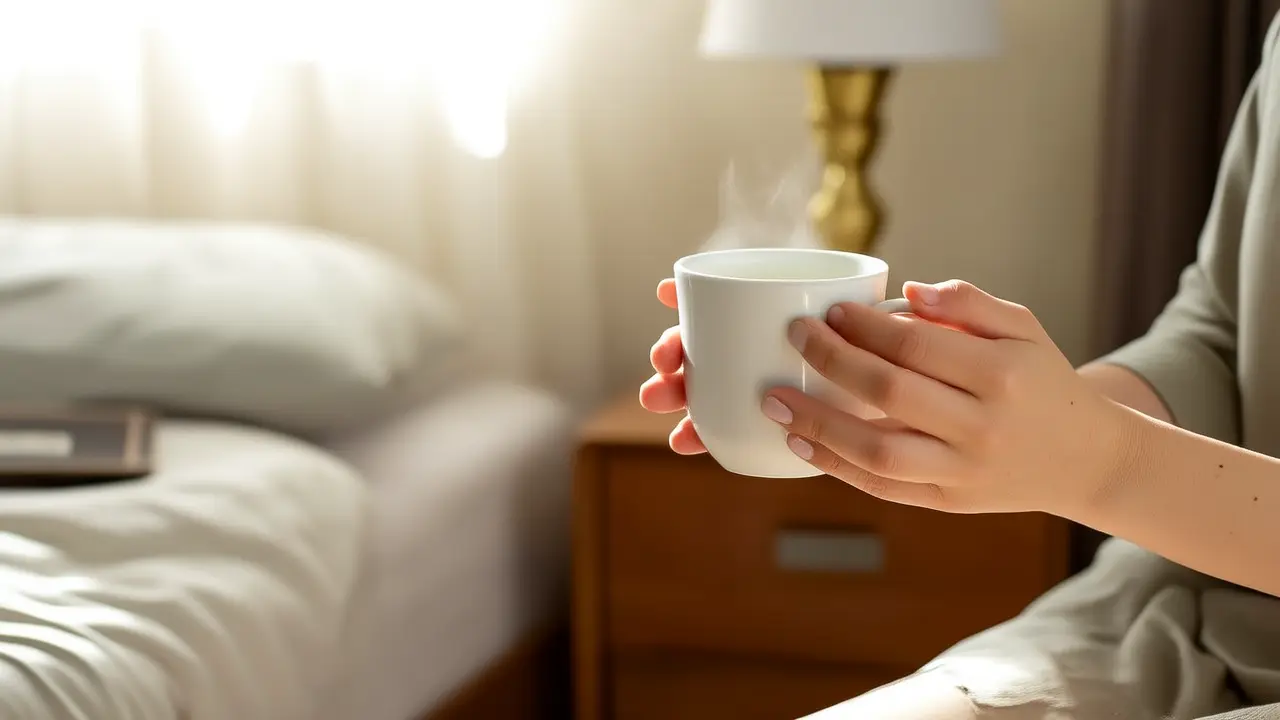
Chinese wellness thinking values harmony and gentle flow. During sleep, your body rests and repairs. Warm water helps 'wake up' your internal organs without shocking them. It encourages circulation, soothes the stomach, and supports your body's natural energy – known as Qi – to move smoothly. It's not about detox or weight loss; it's about giving yourself a calm, caring transition into the day.
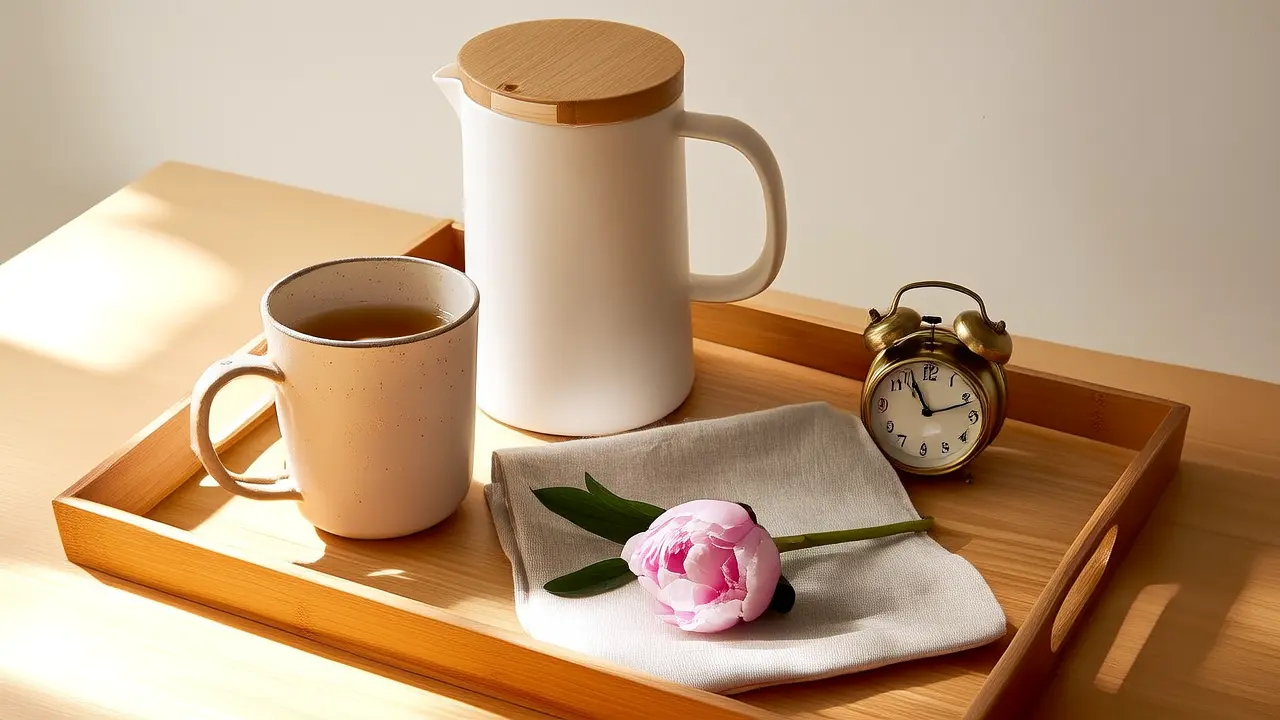
This small act can make your whole morning feel more grounded. Try it for a week and notice how your body responds. Remember, wellness doesn't have to be complicated – sometimes the warmest things are the best.
Disclaimer: This article is for informational purposes only and does not provide medical advice. Always consult a qualified healthcare professional before making any changes to your health routine. The practices described are general wellness suggestions and are not a substitute for professional diagnosis or treatment.