Introduction: How Long Has It Been Since You Took a Deep Breath?
Long hours of hunching over work or looking down at your phone can make your shoulders and neck feel stiff and sore, as if they were weighed down by stones. In fact, the solution lies in the simplest act of breathing. Tai Chi health practices emphasize "using breath to move the body." By combining basic diaphragmatic breathing with gentle movements, you can gradually relax tense muscles and feel more comfortable. Today, we won't talk about complex techniques, just one simple breathing exercise that you can do at home, which is safe and effective.
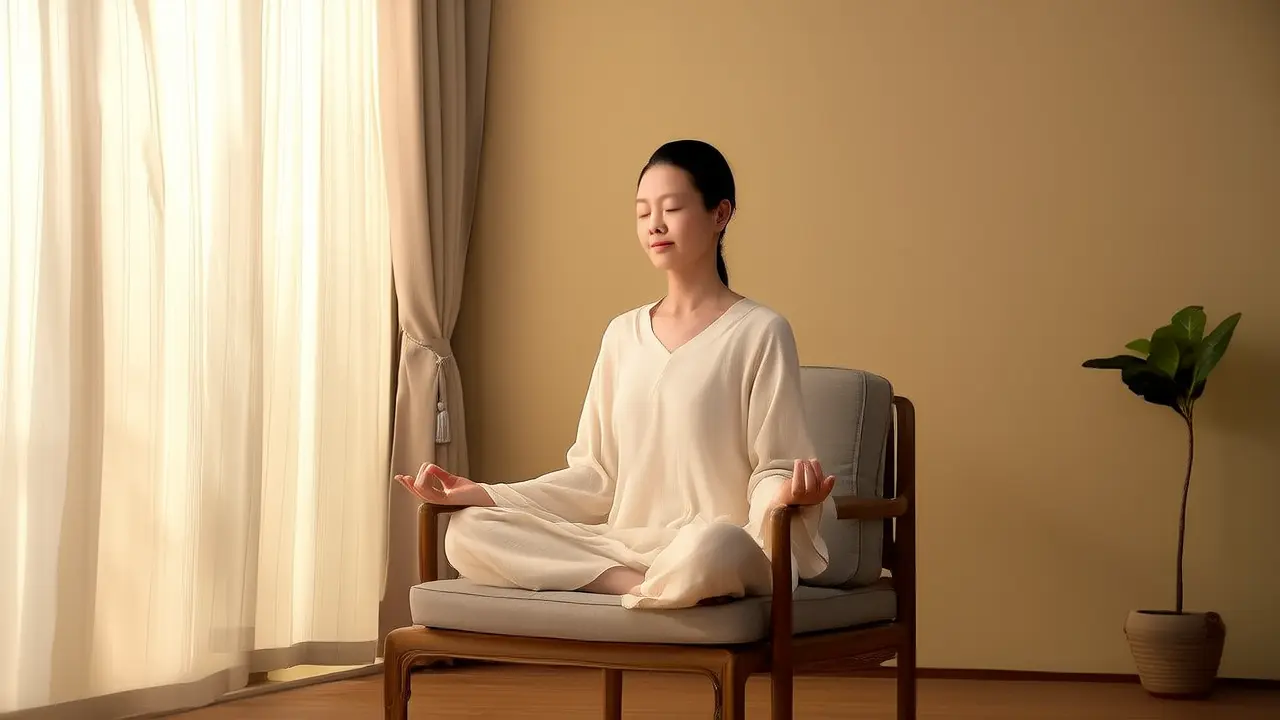
What Is Basic Tai Chi Breathing?
Basic Tai Chi breathing, also known as "tan tian breathing," is a deep and long diaphragmatic breathing technique. Its core principle is: when inhaling, the abdomen naturally swells; when exhaling, the abdomen retracts inward. This breathing method activates the diaphragm, promotes blood circulation, and allows oxygen to reach the entire body more thoroughly, especially the often-neglected shoulder and neck areas. Compared to shallow chest breathing, it directly relaxes the sympathetic nervous system, helping you switch from a "tense mode" to a "relaxation mode."
Exercise Steps: A Three-Minute Shoulder and Neck Relaxation Routine
Find a quiet place, sit on the front third of a chair, or stand naturally with your feet shoulder-width apart. Place your hands gently on your thighs, close your eyes, and take three deep breaths to adjust your state first.
- Step 1: Inhale and Raise Shoulders. Breathe in slowly through your nose while lifting both shoulders up toward your ears, feeling the tension in your shoulder and neck muscles. Hold for 1-2 seconds.
- Step 2: Exhale and Lower Shoulders. Slightly open your mouth, exhale slowly, and let your shoulders relax and drop down, imagining all the pressure sliding away with your breath. Feel the relaxation of your shoulder and neck muscles from tension to release.
- Step 3: Combine with Head Rotation. On the next inhale, slowly turn your head to the left; on the exhale, return your head to the center. Then inhale and turn your head to the right, exhale and return to the center. Repeat each direction three times. Note: The movement should be slow, the breath should be long, and never hold your breath.
Breathing Coordination and Gentle Adjustment Principles
The essence of this exercise lies in "seeking stillness within movement." When inhaling and raising your shoulders, energy flows upward; when exhaling and lowering your shoulders, energy quickly flows downward and cools, like waves washing over stiff areas. According to traditional Chinese medicine, "if there's flow, there's no pain." This rhythm of tightening and relaxing can unblock the meridians in the shoulder and neck area (especially the gallbladder and bladder meridians), alleviating aches caused by stagnant blood and qi. At the same time, deep, prolonged diaphragmatic breathing massages internal organs and regulates the autonomic nervous system, preventing the body and mind from being "tense." Practicing for 3-5 minutes daily for a week will significantly improve the range of motion in your shoulders and neck.
Daily Tips
Don't strive for perfection. You can perform this exercise during work breaks, before bedtime, or even while waiting in line. If one side of your shoulder and neck is more rigid, you can repeat the movement on that side more often. Remember: Breathing is more important than the movement—better slow than fast, better soft than forceful. Imagine each breath flowing to the most painful spot, and the effect will be doubled.
Summary: Awaken Your Body's Flexibility Through Breathing
Stop ignoring shoulder and neck stiffness as a minor issue. Basic Tai Chi breathing is your portable repair tool—simple, equipment-free, and risk-free. Spend a few minutes each day following your breath to "relax," and you'll be surprised to find that your shoulders feel lighter, your breathing deeper, and your whole body more comfortable. Start today and give your shoulders and neck a gentle deep breath.
Disclaimer: The content of this article is for reference only and cannot replace professional medical advice. If you have severe shoulder and neck pain or other health issues, please consult a doctor promptly. Stop practicing immediately if you feel uncomfortable during the exercise.