Introduction: Synchronize with Nature and Regain the Body's Innate Rhythm
The ancient Chinese had long realized that the body's rhythms are closely connected with the four seasons. Adjusting according to the seasonal changes is not a mystical practice, but a gentle and sustainable lifestyle. There is no need to strictly follow any rigid rules; simply paying a little attention to daily diet and living habits can make the body more comfortable and balanced. This guide will help you understand the key points of seasonal health care, from the dining table to the bed, with just a few simple steps to easily implement.
Spring: Soothe the Liver and Activate the Vital Force of Growth
In spring, all things flourish, and human liver energy is most active. It is advisable to eat more green vegetables, such as spinach, leeks, and bean sprouts, which help to relieve liver qi; avoid greasy and sour foods, which may hinder the smooth flow of blood and qi. In terms of living habits, it is recommended to go to bed early and rise early, and take more walks outdoors to let the body stretch. In the morning, comb your hair 100 times to stimulate the meridians on the head and assist in the rising of yang energy.
Summer: Nourish the Heart and Calm the Spirit, Avoid Heat and Dampness
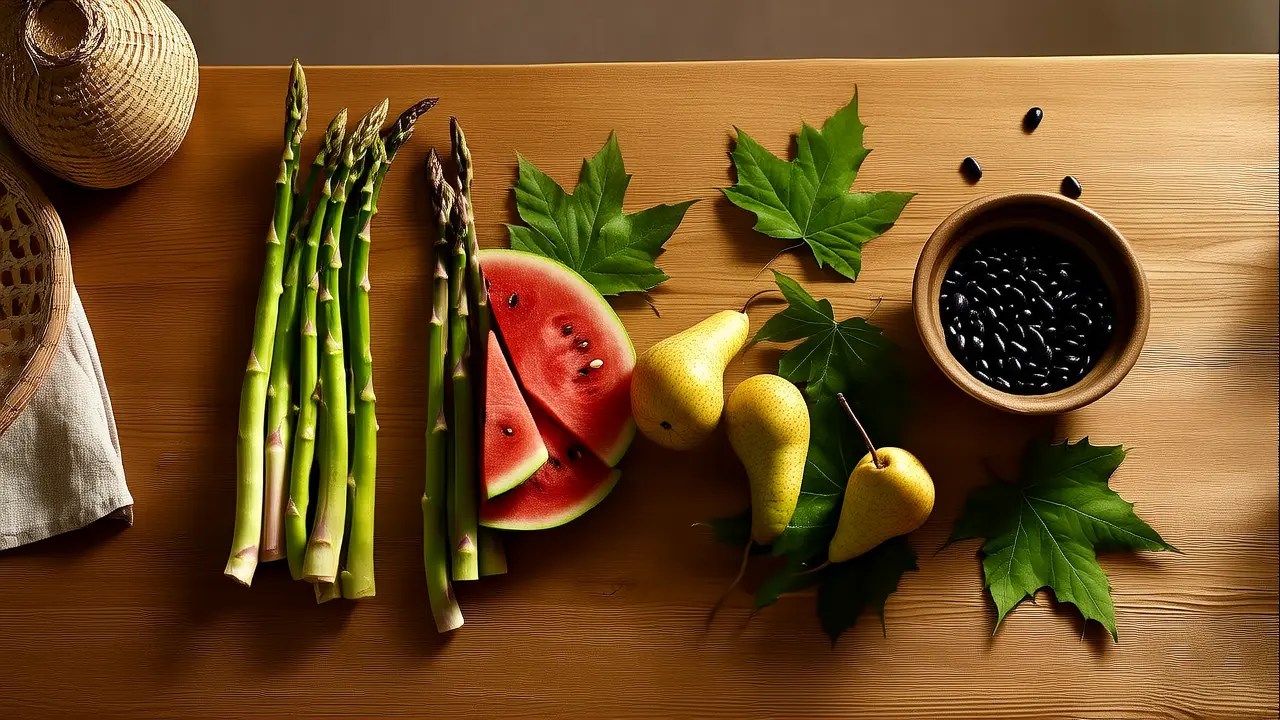
Summer is hot and humid, making heart fire prone to be excessive and the spleen and stomach easily sluggish. The diet should be light, with more consumption of ingredients that clear heat and remove dampness, such as bitter melon, winter melon, and mung beans; watermelon can be eaten in moderation, but do not overindulge in coldness. Take a 20-minute nap at noon to nourish the heart. In daily life, you can drink some plum soup or mint tea, which both cools down and protects yin. Avoid prolonged exposure to the sun, and after sweating, wipe dry promptly to prevent dampness from lingering.
Autumn: Moisturize the Lungs and Prevent Dryness, Conserve Energy
Autumn has a dry climate, and the lungs, being delicate, are easily affected by autumn dryness. Eat more white-colored foods, such as pears, white fungus, lilies, and Chinese yam, which moisturize the lungs and strengthen the spleen. Avoid spicy and grilled foods to prevent increased dryness. In terms of living habits, it is advisable to go to bed early and rise early, and to rise with the rooster. Before going to sleep, massage the Yingxiang acupoints on both sides of the nose to prevent colds. Maintain a calm mood and avoid excessive melancholy over autumn.
Winter: Nourish the Kidneys and Store Essence, Replenish and Rest
Winter is the season of closure and storage, and kidney energy needs special care. The diet should be warm and hot, with more consumption of black-colored foods, such as black sesame seeds, black beans, and black fungus, as well as warming and nourishing foods like mutton and walnuts. Avoid raw and cold fruits and vegetables. In terms of living habits, it is advisable to go to bed early and get up late, and to start activities only when there is sufficient sunlight. Soak your feet in hot water every night and massage the Yongquan acupoint to help kidney energy return to its origin. Reduce intense exercise and focus mainly on rest and quiet cultivation.
Conclusion: Learn from Nature, Health Is Actually Simple
Adjusting according to the seasons essentially means respecting the laws of life. There is no need for complex plans; simply following the basic principle of eating green in spring, melons in summer, white in autumn, and black in winter, while combining appropriate作息 and emotional regulation, can keep the body in a gentle and balanced state. By maintaining these small habits, you will find that health is never about confrontation, but about harmonious coexistence.