Introduction: Why is Qigong Suitable for Daily Home Practice?
In today's fast-paced life, long periods of sitting and stress can easily make the body stiff and the mind tense. Qigong is a gentle and ancient health-preserving practice that requires no equipment or specific space. Just 10 minutes a day can help unblock the flow of qi and blood, and relax the body and mind. This article introduces a simple and safe beginner technique suitable for everyone.
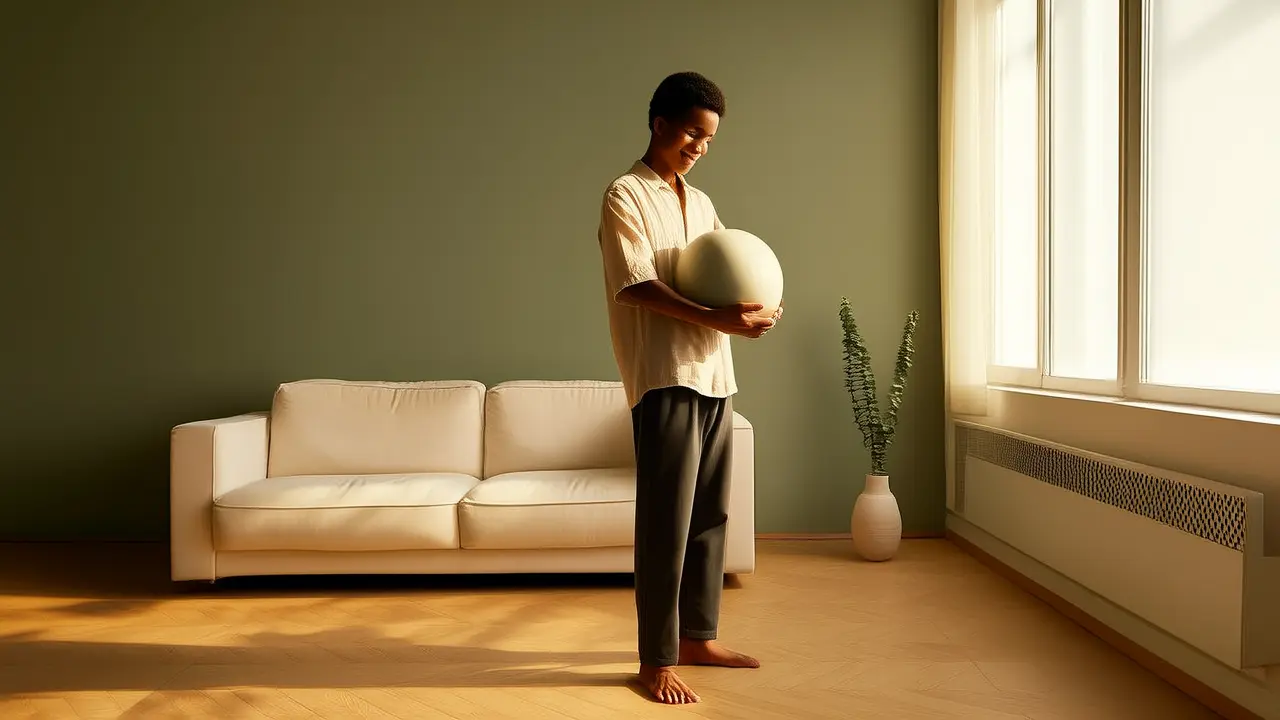
Core Movement: Embracing the Ball to Relieve Shoulder Tension
This movement imitates holding a soft ball with both hands. By slowly stretching and opening/closing, it activates the shoulders, neck, and upper back, effectively relieving stiffness.
Step One: Preparatory Posture
Stand naturally with feet shoulder-width apart and knees slightly bent. Gently lift both hands with palms facing each other, about 30 centimeters apart, as if embracing a balloon. Keep the spine straight, slightly tuck in the chin, and breathe naturally.
Step Two: Inhale and Open
Gently inhale while imagining your hands pulling the "ball" outward to shoulder width, keeping elbows slightly bent and feeling the stretch in the chest and shoulders. Do not raise your shoulders while inhaling; let the abdomen guide the breath.
Step Three: Exhale and Close
Gently exhale, as if gently compressing the balloon, bringing your hands back to the chest with palms still facing each other. Feel the relaxation of the arms and shoulders during exhalation, and let the body slightly sink.
Repeat the opening and closing motion 8-12 times. Coordinate each movement with breathing, maintaining a steady pace, like doing yoga in water. Stay calm throughout the process, without forcing or straining.
Mild Adjustment Principles
According to traditional Chinese medicine, "qi" flows through meridians, and emotions and posture can cause stagnation. This movement guides the flow of breath in the chest and upper limbs through slow opening and closing, promoting blood circulation and eliminating fatigue. At the same time, focusing on the coordination of breathing and movements can calm the mind, creating a meditative effect similar to "stillness in motion," achieving physical and mental relaxation.
Small Tips for Daily Integration
- Practice it after waking up in the morning or during a lunch break to awaken the body and relieve stiffness from sleep.
- Do it several times when experiencing shoulder pain; no need to change clothes, just stand in place.
- Combine it with soft music or a quiet environment for better results.
Summary
It is not complicated to start practicing Qigong at home. The "Embracing the Ball to Relieve Shoulder Tension" exercise, which takes only 10 minutes daily, uses gentle stretching and breathing to relieve shoulder and back stiffness and calm the mind. The key lies in persistence and composure, without rushing or being impatient. Let Qigong become part of your daily light self-care, and you will find that your body and emotions gradually become more flexible and peaceful.
Disclaimer: The content of this article is for sharing health knowledge only and does not constitute medical advice. If you have serious physical discomfort or illness, please consult a professional doctor promptly. If you feel pain or discomfort during practice, stop immediately.