Introduction: Give Your Shoulders and Neck a Gentle Deep Breath
In modern life, sitting long hours in front of screens makes the shoulders and neck feel like tightly stretched strings, with aching discomfort creeping up gradually. Traditional Chinese medicine wisdom tells us that meridians are the pathways for qi and blood circulation. Gently pressing several key acupoints can relieve tension and balance the flow of qi and blood. No professional skills are needed, and it can be done at home, safely and comfortably. Here are three simple acupressure methods to help you regain a relaxed feeling in your shoulders and neck.
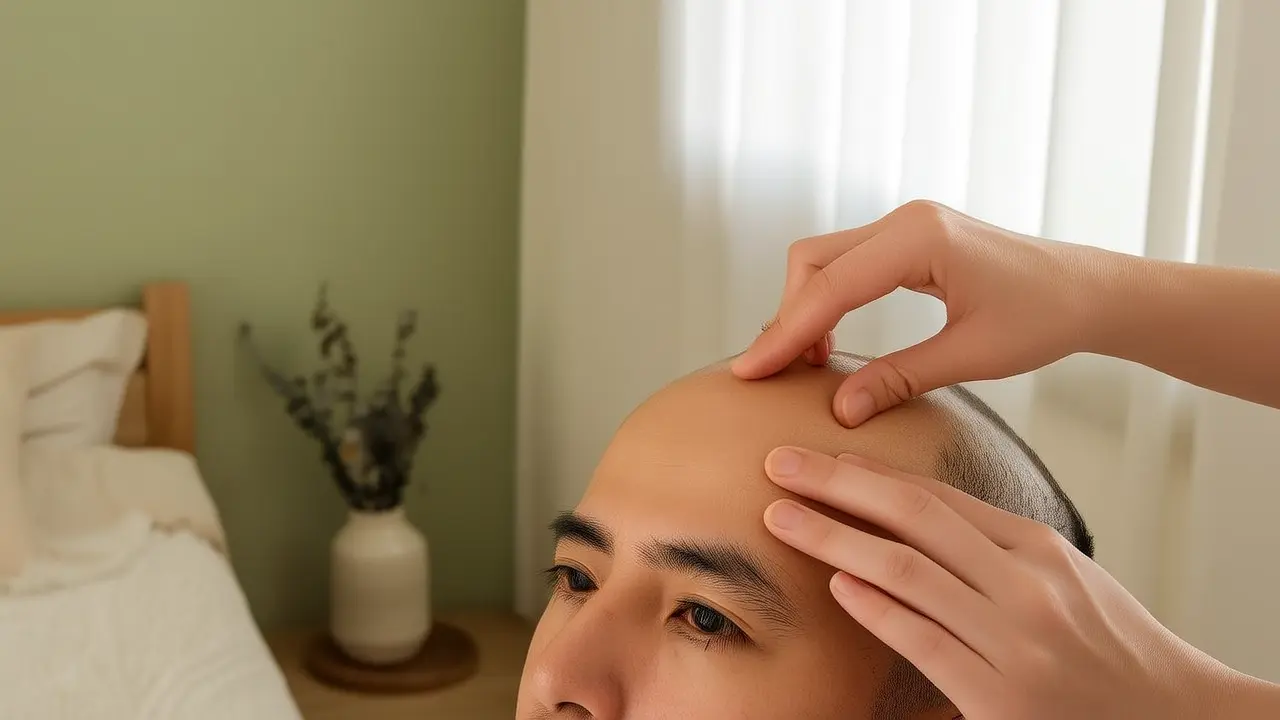
Acupoint 1: Wind Pool (Fengchi) - Relieve Fatigue in the Head and Neck
Applicable Area: Below the back of the head, in the depression where the neck meets the skull (there is one on each side).
Pressure Location: Place the tips of both thumbs on the Fengchi points on either side, while the other four fingers gently support the head.
Operation Method: Press gently inward and upward while breathing slowly and deeply. Press for 5 seconds, then relax, repeating this 10 times. The pressure should cause a sensation of soreness but remain comfortable; avoid applying excessive force.
Mild Adjustment Principle: Fengchi belongs to the Gallbladder Meridian of Foot-Shaoyang. Unblocking this point can relieve stiffness in the neck and heaviness in the head, like loosening tight meridians and allowing qi and blood to nourish the head and eyes.
Acupoint 2: Shoulder Well (Jianjing) - Loosen Tension in the Shoulders
Applicable Area: Middle of the shoulder, at the midpoint of the line connecting the Dazhu (the most prominent bone at the base of the neck when bending forward) and the acromion.
Pressure Location: Use the fingertip of the middle or index finger of the opposite hand to rub the same-side Jianjing acupoint.
Operation Method: Rub in small circles clockwise, about 30 circles per minute, for 1 minute. Then switch sides. For better results, you can combine it with a warm towel on the shoulder area.
Mild Adjustment Principle: Jianjing is an intersection point of the Hand and Foot Shaoyang Meridians. Pressing it is like giving the shoulders an internal massage, which can unblock the flow of qi, balance the blood and qi, and is especially suitable for shoulder aches caused by prolonged sitting or hunching over work.
Acupoint 3: Union Valley (Hegu) - Boost Yang Qi and Promote Blood Circulation
Applicable Area: On the back of the hand, the highest point of the muscle when the thumb and index finger are brought together.
Pressure Location: Press the Hegu acupoint vertically with the tip of the thumb of the other hand.
Operation Method: Apply moderate pressure continuously for 20 seconds, then release for 5 seconds, repeating this 5-8 times. Breathe slowly while pressing, imagining the tension being expelled with each exhalation.
Mild Adjustment Principle: Hegu belongs to the Large Intestine Meridian of Hand-Yangming. It is an important acupoint for "receiving the face and mouth." Pressing it not only relieves discomfort in the shoulders and neck but also regulates the entire body's blood and qi circulation, helping the body relax from inside out.
Summary: Daily Light Care for a Peaceful and Comfortable Life
These three acupressure methods require only a few minutes of practice at home daily to effectively relieve shoulder and neck aches. Remember: the technique should be gentle, the breathing deep, and focus on the sensation of meridian unblocking and the flow of qi and blood. Internal nourishment and external regulation will help your body return to balance. If the aching persists or worsens, please consult a professional physician promptly.
Disclaimer: The methods described in this article are for daily health maintenance and cannot replace medical diagnosis or treatment. If you have severe discomfort, please seek medical attention promptly.