Introduction
Do you often feel stiff shoulders and aching back? Just 10 minutes a day, following the rhythm of Qigong breathing, can gently awaken your body, unblock the flow of qi and blood, and gradually relax tense muscles. This is a simple method rooted in traditional Chinese medicine's health wisdom, requiring no equipment and can be done at home, helping you enhance daily comfort and regain balance between mind and body.
What is Qigong Breathing?
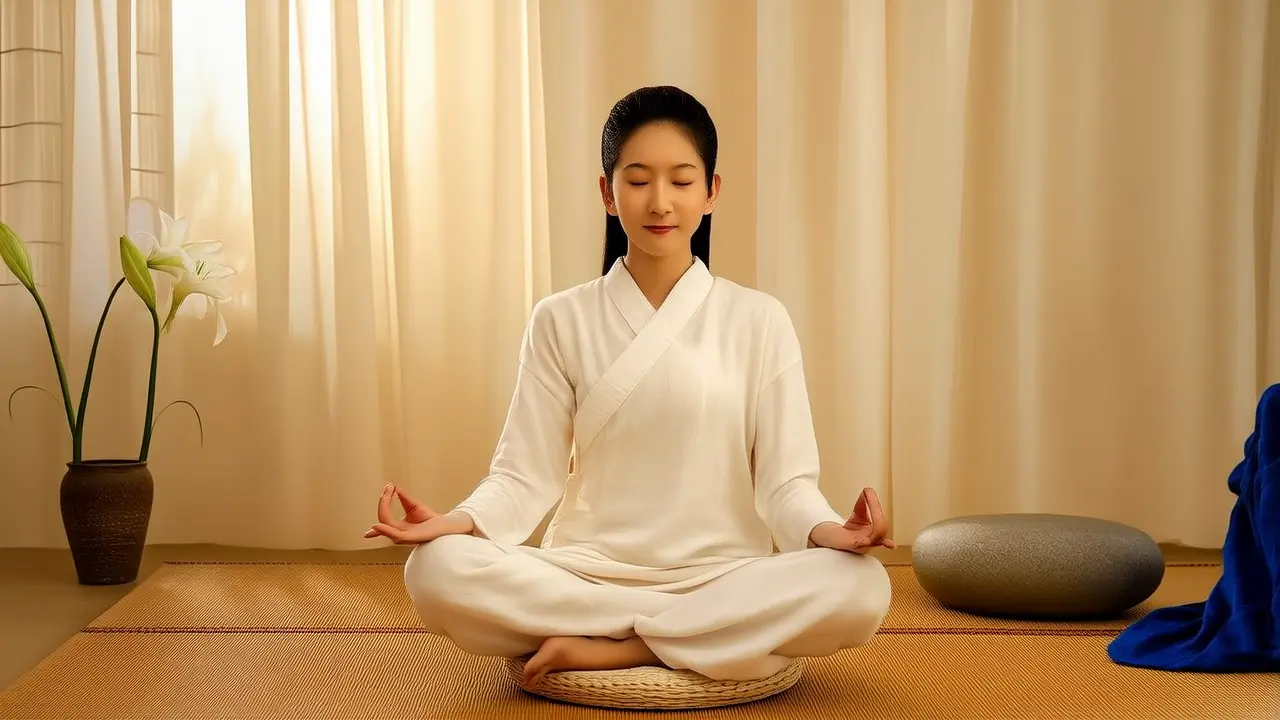
Qigong breathing is a health technique that combines deep, slow breathing with gentle movements. It emphasizes "guiding qi with breath," expanding the abdomen during inhalation and contracting it during exhalation, while coordinating with slow limb stretches to unblock meridians and promote blood circulation. Unlike traditional deep breathing, Qigong breathing places more emphasis on mental guidance, allowing you to feel the flow of qi and blood with each breath.
Step-by-Step Guide: Practice for 10 Minutes Daily
Step 1: Preparation and Breath Regulation (2 minutes)
Find a quiet place, sit cross-legged or on a chair, keeping your spine straight. Place your hands gently on your knees, close your eyes, and take three deep breaths: inhale through your nose, feeling your abdomen expand; exhale slowly through your mouth, feeling your abdomen contract. Calm your mind.
Step 2: Core Qigong Breathing Movement (5 minutes)
Inhale, slowly raise both arms to the chest, palms facing down, as if lifting a ball of energy; exhale, slowly lower the arms to the front of the abdomen, while slightly bending the knees and lowering the body slightly. The movements should be soft and continuous, synchronized with the breathing rhythm. Repeat 10–15 times, feeling the warm sensation of qi flowing from the chest to the lower abdomen.
Step 3: Concluding and Relaxation (3 minutes)
Stop the movement, place your hands on your navel, with the left hand inside for men and the right hand inside for women. Maintain natural breathing, using your mind to scan your body from head to toe, relaxing every joint. Finally, rub your hands together to warm them up, then gently massage your face and neck to finish the practice.
The Soothing Mechanism of Qigong Breathing
According to Traditional Chinese Medicine theory, stiffness and discomfort often result from poor circulation of qi and blood. Qigong breathing enhances oxygen intake through "breath regulation" and promotes blood circulation; "body adjustment" involves gentle movements that stretch fascia and relieve muscle spasms; "mind adjustment" focuses on reducing mental stress and lowering cortisol levels. Combined, these elements achieve a health benefit of "movement within stillness, stillness within movement," allowing the body to regain flexibility through gentle regulation.
Summary
Practicing Qigong breathing for 10 minutes daily is effortless and time-efficient, yet effectively alleviating stiffness caused by prolonged sitting or standing, enhancing comfort in daily activities. With consistent practice, you will find your breathing deeper, your mindset calmer, and your body responding with ease to your efforts. Remember, health preservation lies in persistence. Start today and set aside some time for yourself.