Introduction: Why 10-Minute Qigong Breathing Can Change Your Condition?
In today's fast-paced life, mental and physical tension and fatigue have almost become the norm. However, you may not know that just 10 minutes of daily qigong breathing exercises can gently awaken your body's self-healing ability. Qigong is not a complicated practice, but an ancient wisdom that guides the flow of qi and blood through breathing, and relaxes the nervous system. Anyone, regardless of age, can start at home with no prior experience.
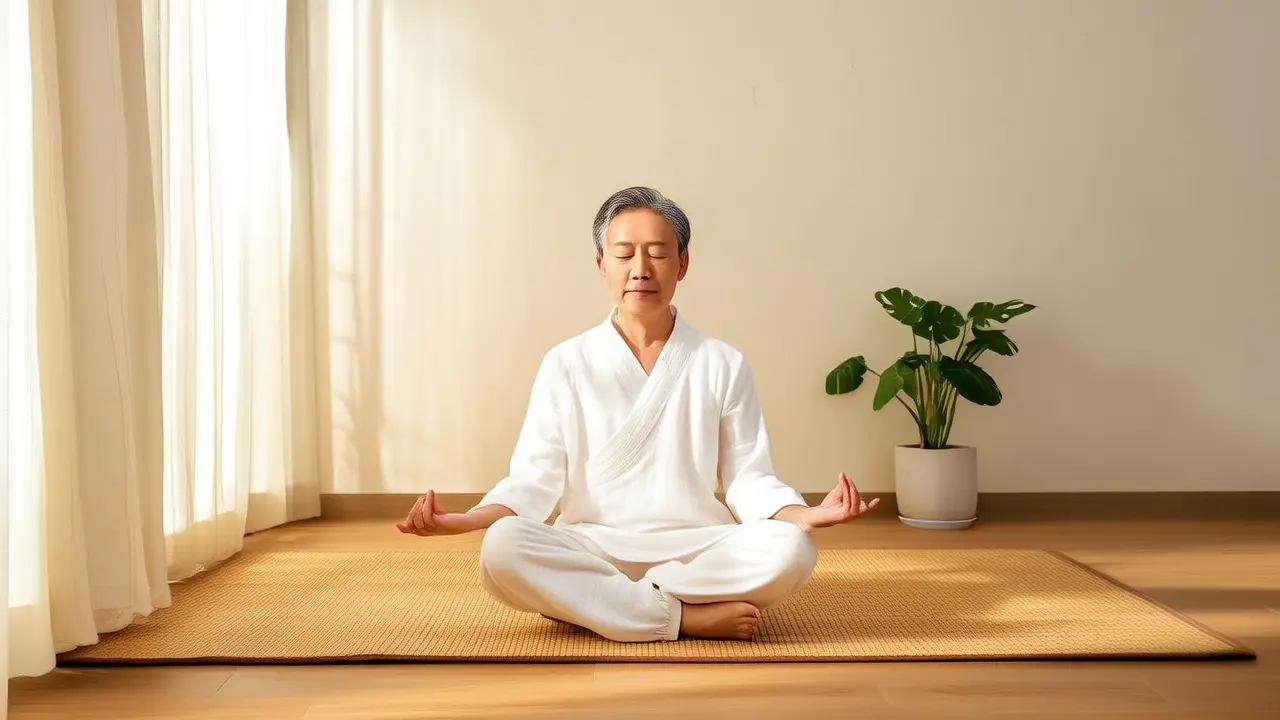
What is Qigong Breathing? - Gentle, Safe, and Effective
Qigong breathing, also known as "regulating breath," centers on abdominal breathing characterized by being deep, long, fine, and even. Unlike intense exercise, it seeks movement in stillness and stillness in movement. By adjusting the rhythm of breathing, it helps activate the parasympathetic nervous system, thus lowering heart rate, relieving muscle stiffness, and gradually relaxing the tense nervous system.
10-Minute Practice Steps: Do It at Home
Step 1: Preparation (1 minute) Find a quiet corner, sit or stand, keep your back straight but not stiff. Gently close your eyes, place your hands naturally on your knees or abdomen, and take three deep breaths, feeling your shoulders sink down.
Step 2: Abdominal Breathing (4 minutes) Inhale slowly through your nose, imagining the breath sinking into the dantian (three fingers below the navel), making your abdomen swell like a balloon. Then hold your breath for 1-2 seconds, then exhale slowly through your mouth, letting your abdomen contract. Each breath should last about 8-10 seconds, with 6-7 breaths per minute. Repeat for 4 minutes.
Step 3: Combined Movements (3 minutes) As you inhale, slowly raise your hands from both sides of your body to chest level. As you exhale, slowly lower your hands, as if pushing waves in water. The movements should be as slow as Tai Chi, perfectly synchronized with your breathing. This movement can help stretch the shoulders, neck, and trunk, and unblock the circulation of blood and qi in the upper limbs.
Step 4: Quiet Recovery (2 minutes) Slowly reduce the depth of your breathing, returning to normal breathing. Rub your hands until they are warm, then cover your eyes for a moment, then gently pat your thighs and arms, feeling your body slightly warm. Open your eyes, and you will feel refreshed and invigorated.
Why Does This Practice Alleviate Fatigue? - The Wisdom of Traditional Chinese Health Concepts
The mystery of qigong breathing lies in "using breath to guide blood." When inhaling, the diaphragm sinks, massaging internal organs and promoting blood circulation in the abdominal cavity; when exhaling, stale air is expelled, accelerating the elimination of metabolic waste. Combined with slow movements, it can loosen stiff joints and fascia, allowing energy (qi) to flow smoothly within the body. According to traditional Chinese medicine, "all diseases arise from qi." Tension causes stagnation of qi, and calm, regulated breathing is the key to resolving this blockage. Practicing 10 minutes daily, balancing movement and stillness, won't make you tired, and it's more effective than just lying down.
Notes and Daily Persistence
Be patient during practice. Initially, you might not be used to abdominal breathing, but after a few days, it will become natural. The best time is in the morning or before bedtime, avoiding practicing right after a meal. If you feel dizzy or uncomfortable, reduce the depth of your breathing. Remember, this is not a competition, but a gentle conversation with your own body. Keep persisting, and you'll find your shoulders and neck are no longer stiff, your sleep quality improves, and your daytime energy becomes more abundant.
Summary
Daily 10-minute qigong breathing exercises require no equipment, take little time, yet bring real changes to both body and mind. It's like giving your body an internal massage, unblocking the flow of blood and qi, and calming anxiety. Start today, give yourself 10 minutes, feel the quiet power of qi flowing within your body, and let tension and fatigue quietly leave with each exhalation.