Introduction: Let Food Be Your Daily Medicine
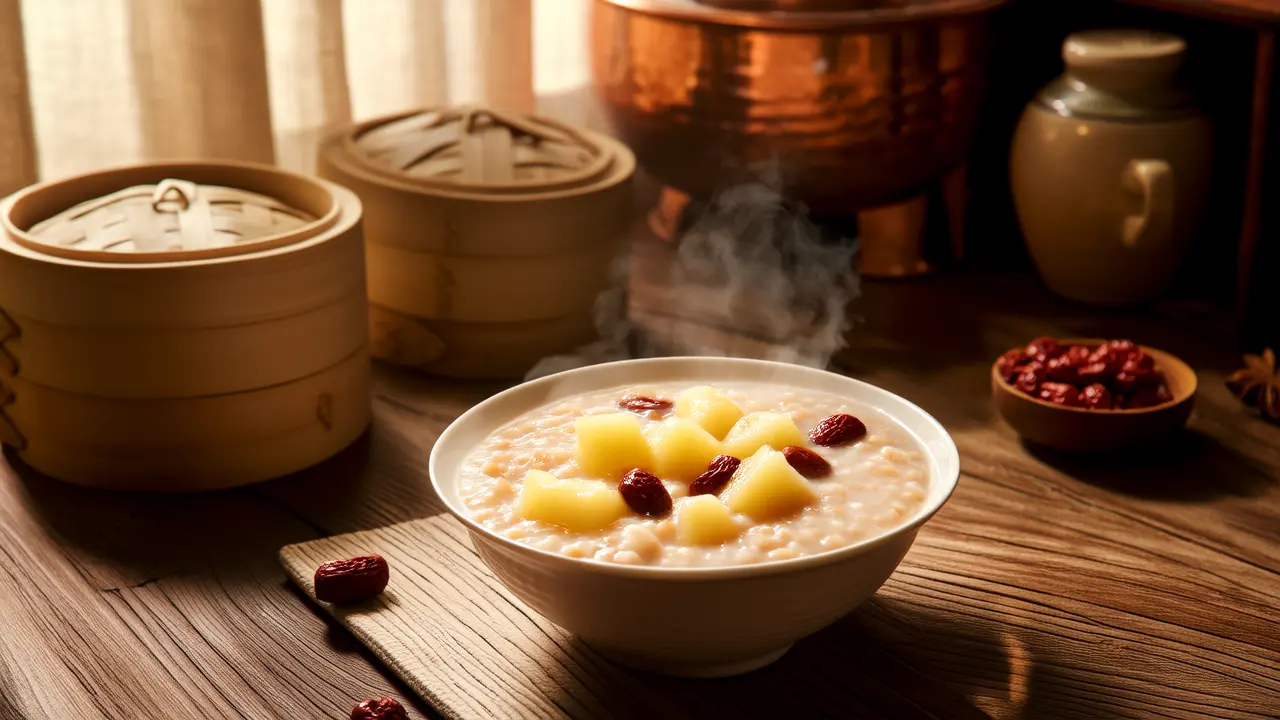
In today's fast-paced life, many people feel tired, have indigestion, or experience mood swings. TCM food therapy emphasizes the concept of "food and medicine having the same origin," believing that everyday ingredients are gentle regulators. There is no need for complex prescriptions; simply select a few natural ingredients in your kitchen to help your body regain balance. Today, I share a simple and practical method: making a "Four Seasons Harmonizing Porridge" using common household ingredients, suitable for most body types, especially those with weak spleen and stomach, prone to internal heat, or feeling heavy during seasonal changes.
Applicable Symptoms: Weak Spleen and Stomach and Mild Internal Heat
If you often feel:
- Fullness after meals, easily belching
- Your mouth always feels dry or slightly bitter
- Sometimes your stools are not formed, sometimes dry
- Lack of energy, feeling sleepy in the afternoon
This may indicate a slightly weakened spleen and stomach function, along with some "internal heat." According to TCM, the spleen and stomach are the "foundation of postnatal life," responsible for digestion and absorption; while "heat" often results from uneven energy distribution. A bowl of mild porridge can nourish the spleen and stomach while gently removing excess heat.
Ingredients Preparation: Four Kitchen Treasures You Already Have
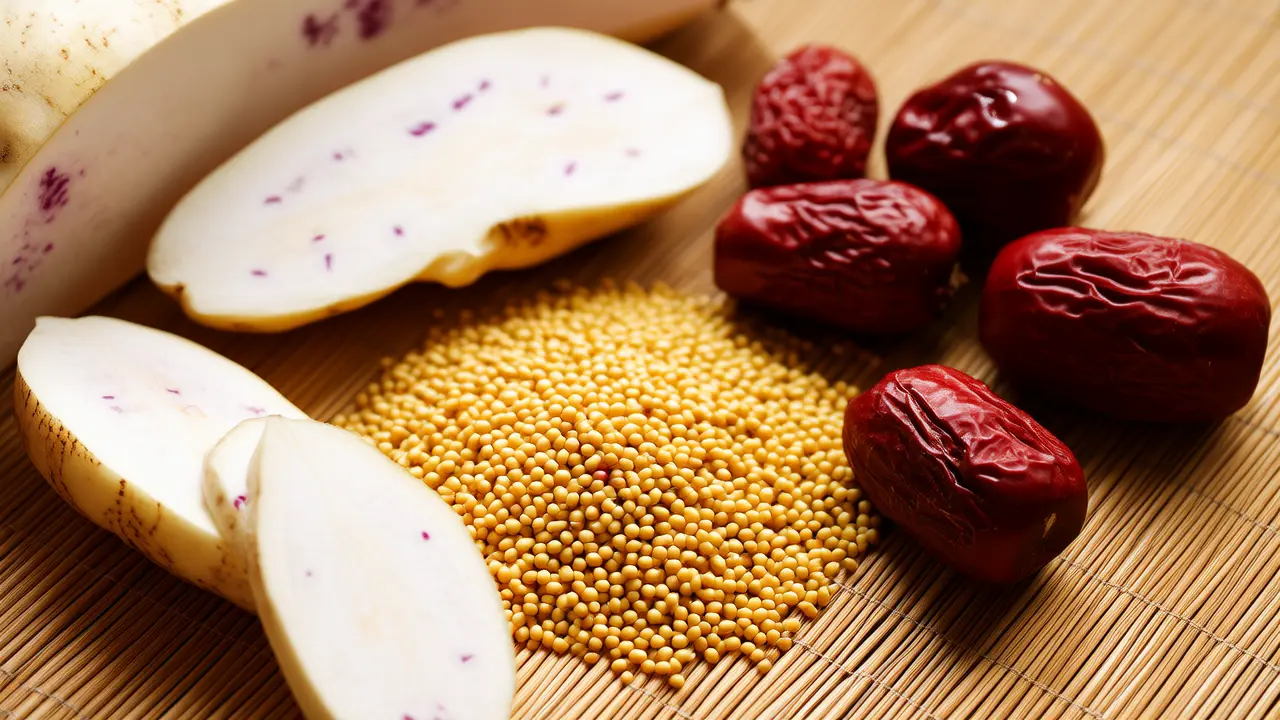
- Job's tears (50g) – Yellow in color, it enters the spleen, is mild and nourishing, and is easy to digest.
- Chinese yam (fresh 100g or dried 20g) – Strengthens the spleen and boosts qi, while moistening the lungs and generating body fluids.
- Lotus seeds (decored, 20g) – Clears heart fire, calms the mind, and also strengthens the spleen.
- Red dates (3-5 pieces, pitted) – Nourishes blood and qi, harmonizes the formula, and adds a natural sweetness.
These ingredients can be easily found in regular supermarkets or Asian grocery stores, safe and free of side effects.
Preparation Steps: Simple Three Steps, Done in 20 Minutes
- Soaking (optional): Rinse job's tears and lotus seeds with water, then soak for 15 minutes. Peel and cut the Chinese yam into small pieces (to avoid itching when handling yam, wear gloves or apply some vinegar).
- Cooking the Porridge: Add 800ml water (about 4 bowls) to a pot, bring to a boil, then add job's tears, lotus seeds, and red dates. Boil over high heat for 5 minutes, then simmer over low heat for 15 minutes, stirring occasionally to prevent sticking.
- Add Chinese Yam: Add the yam pieces and continue cooking over low heat for 10 minutes until the porridge becomes thick and the rice blossoms. Turn off the heat, cover, and let it sit for 3 minutes. If you prefer a salty taste, add a pinch of salt; if you prefer the original flavor, the sweetness from the red dates is sufficient.
Tip: If you have time, using a rice cooker with a timer is more convenient. Enjoy a bowl in the morning, and you'll feel warm and comfortable all day.
Mild Regulation Principle: Follow the Four Seasons, Balance Yin and Yang
The core of TCM food therapy is to "eat for balance."Job's tears has a neutral to slightly warm nature and is the most stomach-friendly grain; Chinese yam can both strengthen qi and nourish yin without being too dry or greasy; lotus seeds clear heart fire without harming the vital energy; red dates make the entire formula milder. These four ingredients together effectively address the minor conflicts of "spleen deficiency" and "heart fire"—neither overheating the body nor chilling the spleen and stomach. From the perspective of "four seasons health maintenance," this porridge is especially suitable for spring (removing dampness), summer (nourishing the heart), autumn (moisturizing dryness), and winter (warming and supplementing)—just adjust the amount of red dates accordingly.
Summary: Small Changes, Big Balance

TCM food therapy does not require expensive herbs or complicated formulas. Starting with a "Four Seasons Harmonizing Porridge," you can experience the sense of calm brought by eating the right foods. Remember: your body will tell you the answer—when you feel comfortable, warm, and not heavy after eating, that's the signal of balance. Try replacing white rice with this porridge at your next meal; you might be surprised.
Disclaimer
The content of this article is for reference only and does not constitute medical diagnosis or treatment. If you have serious diseases or special constitutions (such as diabetes, severe allergies, etc.), please consult a professional doctor or TCM practitioner before adjusting your diet. Dietary adjustments cannot replace medical treatment.