Introduction: Finding Inner Peace Through Breathing
Modern life moves at a fast pace, and anxiety often comes in waves. The ancient wisdom of the East tells us that the body and mind are one, and breathing is the bridge connecting them. When you feel tense or irritable, you don't need complex remedies; simply calm down and use a few simple breathing techniques to gradually bring your emotions back to balance. The following three breathing exercises from Eastern meditation practices can be practiced daily and are gentle and effective.
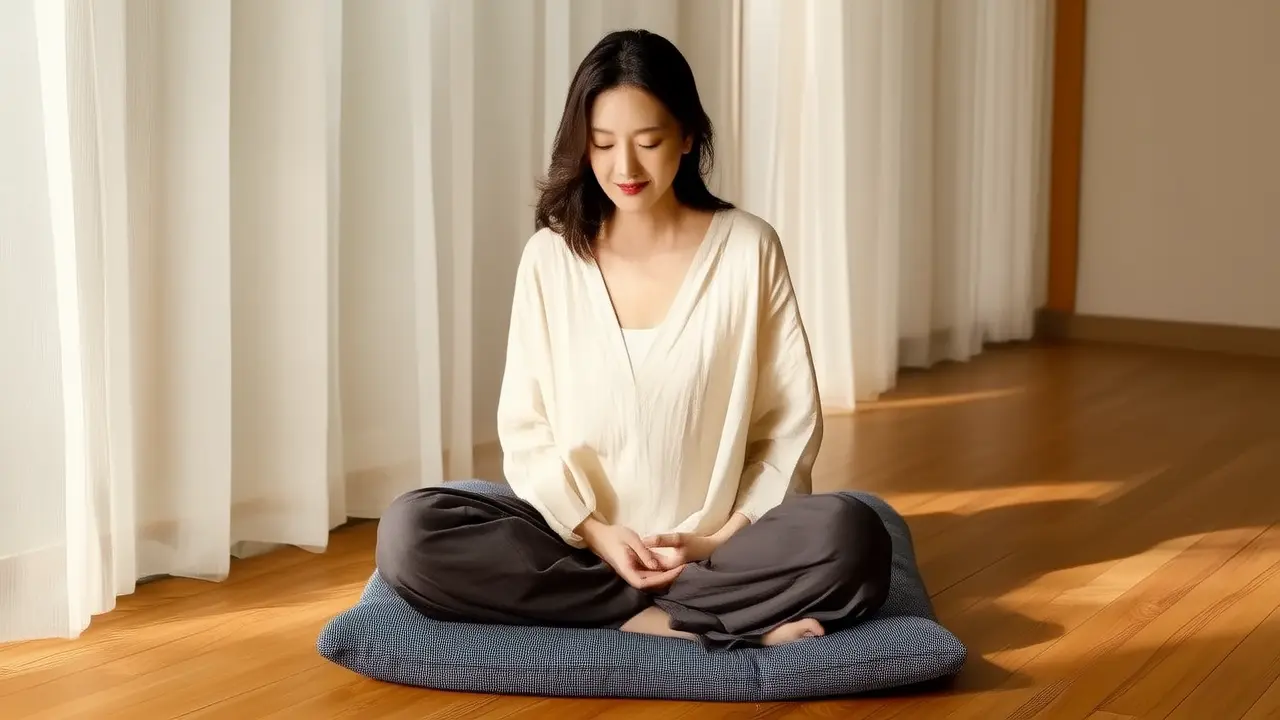
1. Abdominal Breathing: Let the Breath Sink into the Dantian
Abdominal breathing is the foundation of meditation and energy cultivation. It emphasizes breathing through the abdomen rather than the chest, which can massage internal organs and mobilize deep energy flow, achieving a state of yin-yang balance.
Applicable Scenarios
- When under heavy work pressure and feeling restless
- When having trouble relaxing before bedtime
Steps to Practice
- Sit cross-legged or lie on your back, place one hand on your abdomen.
- Inhale slowly through your nose, feeling your abdomen rise like a balloon, for 4 seconds.
- Hold your breath for 1-2 seconds.
- Exhale slowly through your mouth, letting your abdomen contract, for 6 seconds.
- Repeat 5-10 times, keeping your attention on the rising and falling of your abdomen.
2. 4-7-8 Breathing Technique: Calm the Nervous System
This breathing method originates from yoga pranayama and is known in the West as a "natural sedative." By extending the exhalation time, it activates the parasympathetic nervous system, helping the body switch from a "tense fight" mode to a "relaxed rest" mode.
Steps to Practice
- Sit quietly with your tongue gently touching the roof of your mouth.
- Inhale through your nose for 4 seconds.
- Hold your breath for 7 seconds (beginners can shorten it to 3-4 seconds).
- Exhale slowly through your mouth for 8 seconds, making a "whoosh" sound.
- Repeat this sequence four times as one set, doing 2-3 sets per day.
Principle: Slow exhalation can lower heart rate and alleviate discomfort caused by anxiety such as chest tightness and trembling hands.
3. Alternate Nostril Breathing: Balance the Left and Right Brain
According to traditional Chinese medicine, the body's qi alternates between the left and right nostrils. When anxiety causes mental confusion, alternating breathing can harmonize yin and yang, bringing clarity and peace back to your thoughts.
Steps to Practice
- Press your right nostril with your right thumb, inhale through the left nostril for 4 seconds.
- Press your left nostril with your ring finger, hold your breath for 2 seconds.
- Release your right nostril and exhale through it for 6 seconds.
- Then inhale through the right nostril for 4 seconds, and exhale through the left nostril for 6 seconds, alternating like this.
- Complete one round after finishing each side, doing a total of 5 rounds.
Summary: Consistent Practice Leads to Inner Peace
These three Eastern breathing techniques for meditation require no tools and can be practiced anytime, anywhere. The key is consistency: spend 5 minutes each day focusing on your breath, allowing your yin and yang energies to rebalance. You will find that anxiety may not disappear suddenly, but you will become stronger in facing it. The balance of body and mind lies within each inhalation and exhalation.