Introduction: The Wisdom of the Four Seasons in a Cup of Tea
In today's fast-paced life, more and more people are seeking a gentle and natural way to nourish their daily lives. Eastern herbal wisdom tells us that by following the four seasons and using tea as a medicine guide, we can subtly balance our body's energy. Seasonal herbal teas are just such a harmonious and unobtrusive companion for health care—they don't pursue immediate effects but help us find balance during the spring growth, summer development, autumn harvest, and winter storage through the ritual of having a cup every day. Whether it's chrysanthemum and goji berry tea in spring, mint and mung bean drink in summer, pear and white fungus soup in autumn, or longan and red date soup in winter, each cup carries the gentle power of the integration of food and medicine.
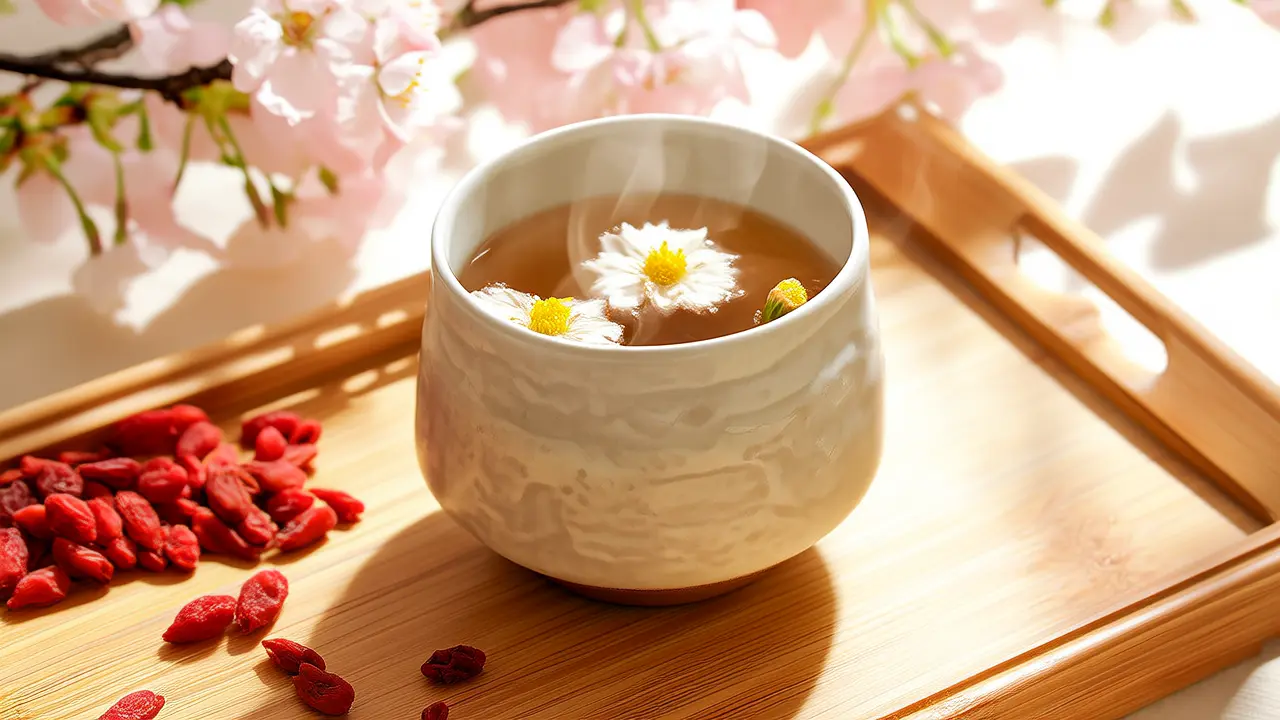
Spring Health: Chrysanthemum and Goji Berry for Liver Nourishment
In spring, liver qi rises easily, leading to dry eyes and irritability. Choose 5 chrysanthemum flowers and 10 goji berries, steep in boiling water for 5 minutes. Chrysanthemum dispels wind-heat while goji nourishes liver blood; together they do not harm the body nor leave pathogens behind. Drinking a cup when feeling drowsy in the afternoon brings a clear sensation from the eyes to the eyebrows.
Summer Heart Care: Mint and Mung Bean for Cooling and Calming
During the hot summer, heat combined with dampness easily increases heart fire. Boil 30 grams of mung beans until they bloom, then add 5 fresh mint leaves before turning off the heat and letting it sit for 2 minutes. Mung beans clear the heart and promote urination, while mint disperses heat. It is more refreshing to drink it chilled, but those with weak spleen and stomach should prefer warm consumption. Sipping a little before a nap in the afternoon instantly relieves restlessness.
Autumn Lung Moisturizing: Pear and White Fungus for Moistening and Cough Relief
Autumn dryness harms the lungs, commonly causing dry coughs and dry nose. Take half a pear cut into pieces and 10 grams of rehydrated and torn white fungus, add water and simmer for 20 minutes, then add a bit of rock sugar at the end. White fungus is rich in gelatin, and pears are juicy and moistening, both nurturing lung yin. Drink warm in the morning and evening, and your throat will feel like being gently caressed by mist.
Winter Kidney Tonic: Longan and Red Date for Warming and Cold-Dispelling
In winter, yang energy is stored internally, making hands and feet prone to coldness. Boil 6 pieces of longan meat, 3 red dates (without seeds), and 2 slices of ginger for 10 minutes. Longan nourishes blood and calms the mind, red dates strengthen the spleen and invigorate qi, while ginger warms and promotes blood circulation. Having a cup in the morning spreads warmth from the stomach to the limbs, and one's spirit also becomes revitalized.
Conclusion: Daily Nourishment Lies in Consistency
The essence of seasonal herbal teas lies not in a single miraculous herb, but in using the most common ingredients to have the gentlest dialogue with the body according to its needs. It reminds us that health is not about curing, but about subtle wisdom in daily self-care. Choosing local herbs of the season and simply brewing or stewing them can integrate the gentle power of traditional Chinese medicine into life. From today on, brew a cup of seasonal tea for yourself—a long-term declaration of love to your body.
Notice: This article is for sharing only and does not constitute medical advice. If you have a special constitution or illness, please consult a professional TCM doctor. Herbal tea adjustment cannot replace medication. If symptoms persist, please seek medical attention promptly.