Introduction: Adapting to the Seasons, Nourishing with Food
Traditional Chinese Medicine emphasizes "the same origin of medicine and food," meaning many common ingredients are gentle tonics. As the seasons change, the body's condition also varies—spring requires releasing, summer tends to be hot and irritable, autumn is dry and harmful to the lungs, and winter needs warming and nourishment. Instead of waiting until illness strikes to take medicine, transform your kitchen into a health sanctuary, using everyday ingredients for gentle nourishment. The core of seasonal home remedies lies in choosing the right season, using appropriate ingredients, and simple cooking methods, allowing nutrition to slowly penetrate the body and protect daily vitality and comfort.
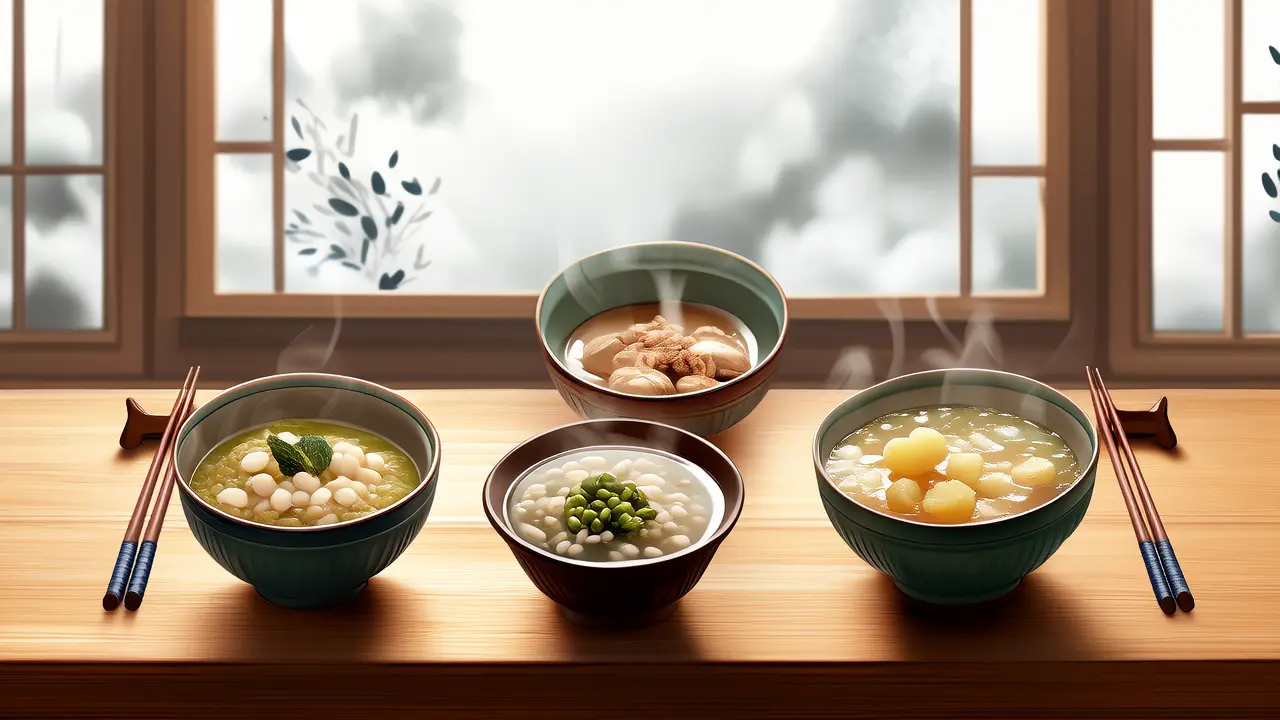
Spring Liver Care: Stir-fried Leeks with Walnuts, Regulating Yang Energy
Spring is the season of growth, and the body's yang energy begins to rise. Excessive liver energy can lead to irritability or fatigue. Recommend a simple dish: stir-fried leeks with walnuts. Leeks are known as "the plant that boosts yang energy," helping to warm the middle and promote qi circulation; walnuts are rich in healthy fats and vitamin E, moisturizing and brain-nourishing. Preparation: cut leeks into sections, slightly break the walnut kernels, heat a little oil in the pan, first stir-fry the walnuts until fragrant, then add the leeks and quickly stir-fry, adding a little salt. Eat it twice a week to help the liver energy flow smoothly and make you more energetic.
Summer Heart Clearing: Winter Melon and Coix Soup, Cooling and Removing Dampness
Summer is hot and humid, making people feel tired, thirsty, and have poor appetite. Winter melon is cool in nature, capable of clearing heat, quenching thirst, and promoting diuresis; coix seeds strengthen the spleen and remove dampness. Together, they form a mild and stomach-friendly combination. Preparation: cut winter melon into pieces with the skin on (the skin has better heat-clearing effects), soak coix seeds for two hours in advance, then put them together with water in a pot and cook for about 40 minutes. Finally, add a few slices of ginger to balance the cold nature, and season with a little salt. This soup makes an ideal soup for lunch or dinner, helping the body eliminate excess dampness and stay refreshed during summer.
Autumn Lung Moisturizing: Pear and Silver Ear Soup, Moisturizing and Preventing Dryness
Autumn is dry, easily causing coughs and dry, itchy skin. White foods enter the lungs, and pears and silver ear are classic partners for moistening the lungs. Silver ear is rich in gelatin, which nourishes yin and moistens dryness; pears are sweet and juicy, clearing heat and dissolving phlegm. Preparation: rehydrate the silver ear and tear it into small pieces, cut the pear into small pieces after removing the core, put them together with enough water and a few red dates in a pot, and simmer over low heat for 40 minutes until the silver ear becomes soft and tender. A small bowl every day can moisturize from inside out, relieving discomfort caused by autumn dryness.
Winter Kidney Tonic: Yam and Mutton Soup, Warming and Nourishing
Winter is cold, and kidney energy needs to store energy. Mutton is warm in nature, able to nourish the kidneys, boost yang energy, and warm the middle to drive away cold; yam gently nourishes the spleen, lungs, and kidneys. Combined, they provide a mild and non-irritating nourishment. Preparation: cut mutton into chunks, blanch to remove odor, then add peeled and cut yam, a few slices of ginger, and a few pieces of goji berries into a slow cooker. Add water, bring to a boil over high heat, then simmer for 1.5 hours over low heat. Season with salt before serving. Drink once a week, warming from the soles of your feet to your heart, enhancing the body's ability to resist cold and preventing cold pathogens from invading.
Summary: Simple Ingredients, Long-term Commitment
The essence of seasonal home remedies lies in "adapting to nature and gently regulating." There is no need for complex herbs or expensive supplements; just pay attention to seasonal, fresh ingredients and use simple cooking methods to provide overall nutrition for the body. Remember: dietary therapy is a gradual process of care, not a quick fix. Treat it as a lifestyle habit, allowing health to be quietly protected in every meal.
Disclaimer: The information provided in this article is for general reference only and does not constitute medical advice. If you have specific health issues, please consult a professional doctor or nutritionist. Dietary therapy cannot replace medical treatment.