Introduction: A Warm Cup, Healthy All Year Round
When the body experiences aches, swelling, or mild fatigue, nature has already prepared gentle solutions for us - herbal teas. Whether it's allergy discomfort in spring, damp-heat fatigue in summer, or dryness and stiff joints in autumn and winter, a cup of tea made from ingredients that are both food and medicine can subtly balance the spleen and stomach, clear heat and moisten dryness, becoming an effective assistant for daily health care. Today, we share a simple yet comprehensive anti-inflammatory herbal tea suitable for the whole family to take turns drinking throughout the seasons.
Why Choose Herbal Tea to Combat Inflammation?
Inflammation is a natural response of the body to stimuli, but long-term low-level inflammation can accelerate aging and cause various discomforts. Traditional Chinese medicine emphasizes "adjusting according to the seasons," and many common ingredients such as ginger, cinnamon, chrysanthemum, and mint are not only safe and mild, but also inhibit inflammatory pathways through gentle means. Unlike drugs, they integrate into life with the concept of "food and medicine being the same," with almost no side effects. A cup of hot tea is both hydration and regulation.
Core Formula: Golden Anti-inflammatory Herbal Tea
Applicable Symptoms: Mild joint pain, muscle stiffness, sore throat at the beginning of a cold, skin redness or allergic reactions during seasonal changes.
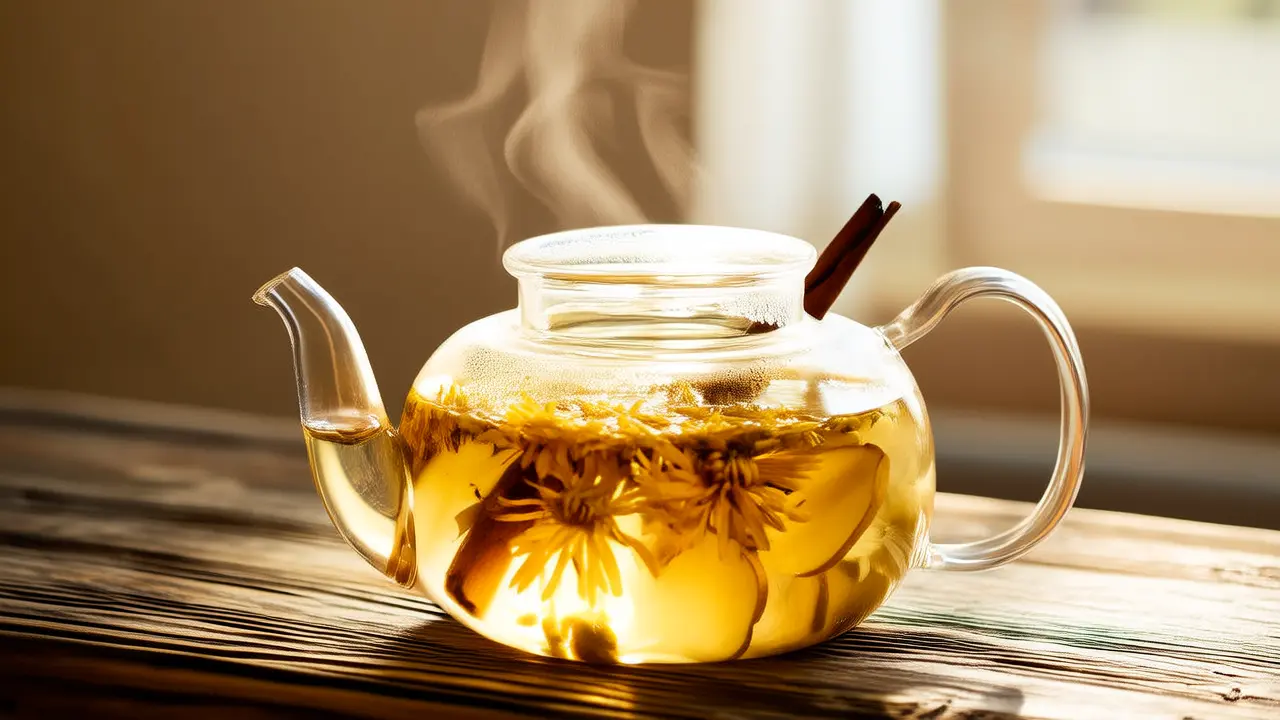
- Ingredients Preparation: 3-4 slices of fresh ginger (about 10 grams), a small handful of dried chrysanthemum (about 5 grams), one cinnamon stick (or half a teaspoon of cinnamon powder), one tablespoon of honey (optional), and 500 ml of water.
- Preparation Steps: After boiling the water, add the ginger slices and cinnamon stick, then simmer over medium-low heat for 10 minutes. After turning off the heat, add the chrysanthemum, cover and let it steep for 5 minutes. Filter out the tea leaves, and when the temperature reaches about 50°C, add the honey and drink.
- Mild Adjustment Mechanism: Ginger's gingerol promotes blood circulation and relieves joint stiffness; chrysanthemum is rich in antioxidants, especially suitable for eye dryness and headaches caused by liver fire in spring; cinnamon warms the stomach and helps the body expel dampness; honey provides natural sweetness and inhibits bacteria. Combined, they both dispel wind-heat and regulate the spleen and stomach, following the health rhythm of "spring corresponds to the liver, summer to the heart, late summer to the spleen, autumn to the lungs, and winter to the kidneys."
Drinking Recommendations and Precautions
Drink 1-2 cups per day, not exceeding one week continuously, and rest for two days before continuing. It is best to drink it on an empty stomach in the morning or during the spleen meridian time between 3-5 pm. Pregnant women, infants, and people taking anticoagulant medications should consult a doctor. If gastrointestinal discomfort occurs after drinking, reduce the amount of ginger or drink it after meals.
Summary: Follow Nature's Way to Nurture the Natural Body
Anti-inflammation doesn't have to pursue complex formulas; simple ingredients in the kitchen can become the most caring health guardian. This golden anti-inflammatory tea uses a gentle way to soothe discomfort, integrating the wisdom of "food and medicine being the same" into the ritual of daily cups. May you always have inner and outer comfort and ease throughout the changing seasons.
Disclaimer: The content of this article is for reference only and does not constitute medical advice. If symptoms persist or worsen, please seek medical attention promptly.