Introduction: Eating According to the Seasons, Gentle Nourishment
Traditional Chinese medicine emphasizes "the origin of medicine and food," and dietary adjustment during seasonal changes is the most natural way to maintain health. There's no need for complicated medicinal diets; just mastering five simple cooking techniques can make every meal a gentle nourishment, helping you and your family maintain internal balance, relieve discomfort, and enhance vitality throughout the four seasons.
Technique One: Skillful Steaming and Boiling, Preserving the Original Vitality of Food
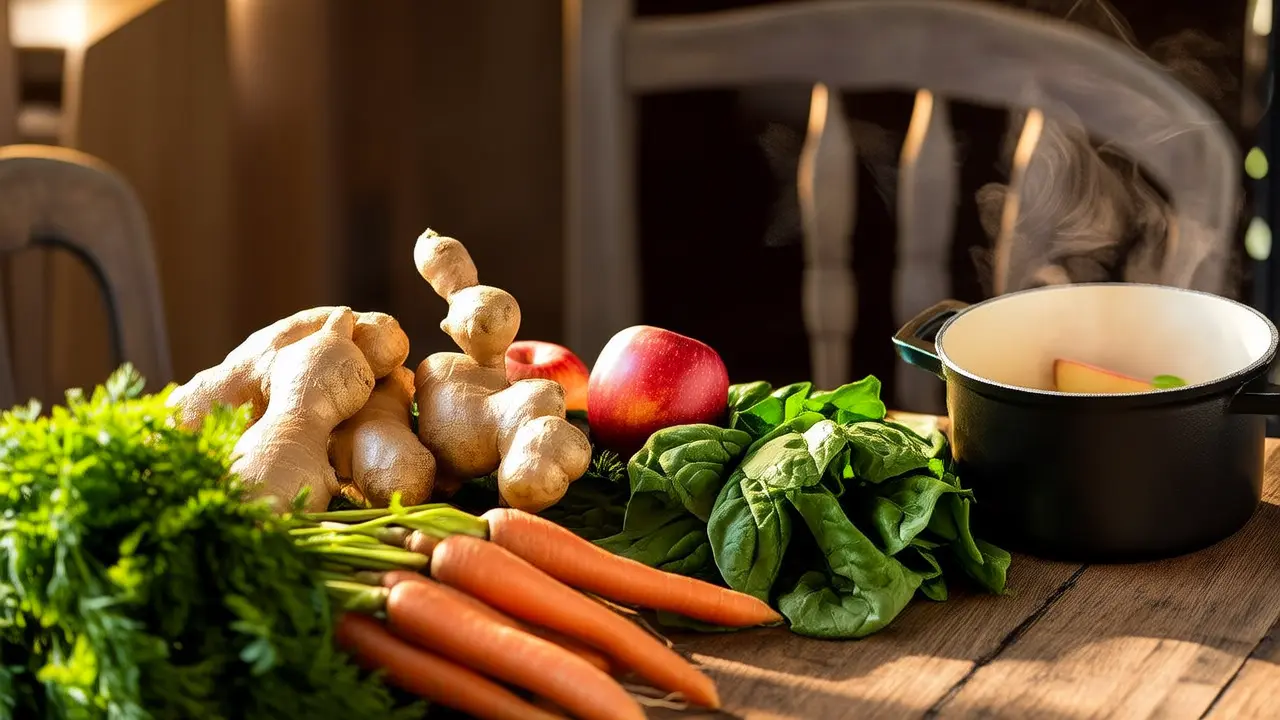
Steaming and boiling are the gentlest cooking methods. Compared with frying and deep-frying, steaming and boiling can preserve the natural nutrition and moisture of ingredients to the maximum extent, especially suitable for those with weak spleen and stomach or easy digestion problems. For example, in spring, yam and lily are often steamed; in summer, winter melon soup is cooked to clear heat and moisten dryness; in autumn, pears are steamed to nourish the lungs; in winter, porridge is cooked to warm the stomach. The food after steaming and boiling is soft and easy to absorb, without adding extra burden on the body, which conforms to the concept of "harmonizing the spleen and stomach" in health preservation.
Technique Two: Making Good Use of Soups and Porridges, Moisturizing the Whole Body
Soups and porridges are excellent carriers for health preservation throughout the four seasons. Having a bowl of millet red date porridge for breakfast nourishes the stomach and calms the mind; having a bowl of radish and bone soup for dinner helps to regulate qi and aid digestion. Soups and porridges have sufficient water content, which can replenish body fluids, especially suitable for the dry autumn and winter seasons. Different ingredients can be added according to the season: add goji berries in spring to nourish the liver, green beans in summer to cool down, white fungus in autumn to moisturize, and ginger in winter to dispel cold. Having a bowl of soup or porridge every day can gently adjust the body, making it naturally comfortable.
Technique Three: Reasonable Use of Aromatic Spices, Enhancing Warm Energy
Aromatic spices such as ginger, scallions, garlic, Sichuan pepper, and cinnamon not only enhance flavor but also contain natural warming components. Adding a small amount during cooking can promote blood circulation and remove cold and dampness. For example, in winter, add a few slices of ginger and cinnamon to stews; in summer, add minced garlic to cold dishes to kill bacteria and stimulate appetite; in spring, boil scallion whites to prevent colds. However, be careful not to use too much, otherwise it may cause internal heat. Follow the principle of "adapting to the four seasons," maintaining a gentle and balanced approach.
Technique Four: Low-Temperature Slow Cooking, Extracting Deep Nutrition
Low-temperature slow cooking (such as using a clay pot or stew pot) allows the collagen and amino acids in the ingredients to dissolve gradually, making the soup rich and not greasy. It is especially suitable for cooking ingredients like white fungus, peach resin, pig trotters, and mushrooms. During the slow cooking process, the nutrients in the ingredients are more easily absorbed by the body, suitable for postoperative recovery and people with weak constitution. Having 1-2 slow-cooked dishes per week is both nourishing and convenient, representing a classic method of "gentle nourishment."
Technique Five: Combining Raw and Cooked Ingredients, Balancing Refreshing and Warming Effects
Not all vegetables and fruits are suitable for cooking. According to traditional Chinese medicine, eating raw vegetables and fruits can clear heat and reduce fire, but those with cold spleen and stomach should be cautious. The best way is to "combine raw and cooked": for instance, have a salad (with lettuce and tomatoes) for lunch, and blanched or stir-fried vegetables (like broccoli and spinach) for dinner. This way, you can obtain fresh vitamins while avoiding coldness that might harm the stomach. In spring and summer, appropriately increase raw consumption; in autumn and winter, increase cooked consumption, always keeping the body feeling comfortable.
Summary
These five cooking techniques—steaming and boiling, soups and porridges, aromatic spices, low-temperature slow cooking, and combining raw and cooked ingredients—are simple yet core to seasonal health preservation. There's no need for expensive ingredients or professional cooking skills; as long as you consciously apply them in daily cooking, every meal can become a gentle healing. Remember: the best health preservation lies in every home-cooked meal. Start today, and use these techniques to bring warmth and health to yourself and your family throughout the year.
Disclaimer
The information provided in this article is for reference only and is not intended as medical diagnosis or treatment advice. If you have specific health issues, please consult a professional physician or nutritionist. Dietary adjustments should be based on individual constitution, proceed gradually, and prioritize safety first.