Introduction
Spring brings growth, summer promotes development, autumn is for harvest, and winter is for storage. Ancient people observed the movement of heaven and earth, and found that human body's qi and blood also fluctuate accordingly. Adjusting lifestyle according to seasonal changes is called "nourishing in accordance with the seasons." This is not only about health preservation, but also a gentle wisdom of living in harmony with nature. There is no need for complicated methods; just a few small adjustments in each season can make your body feel light and comfortable.
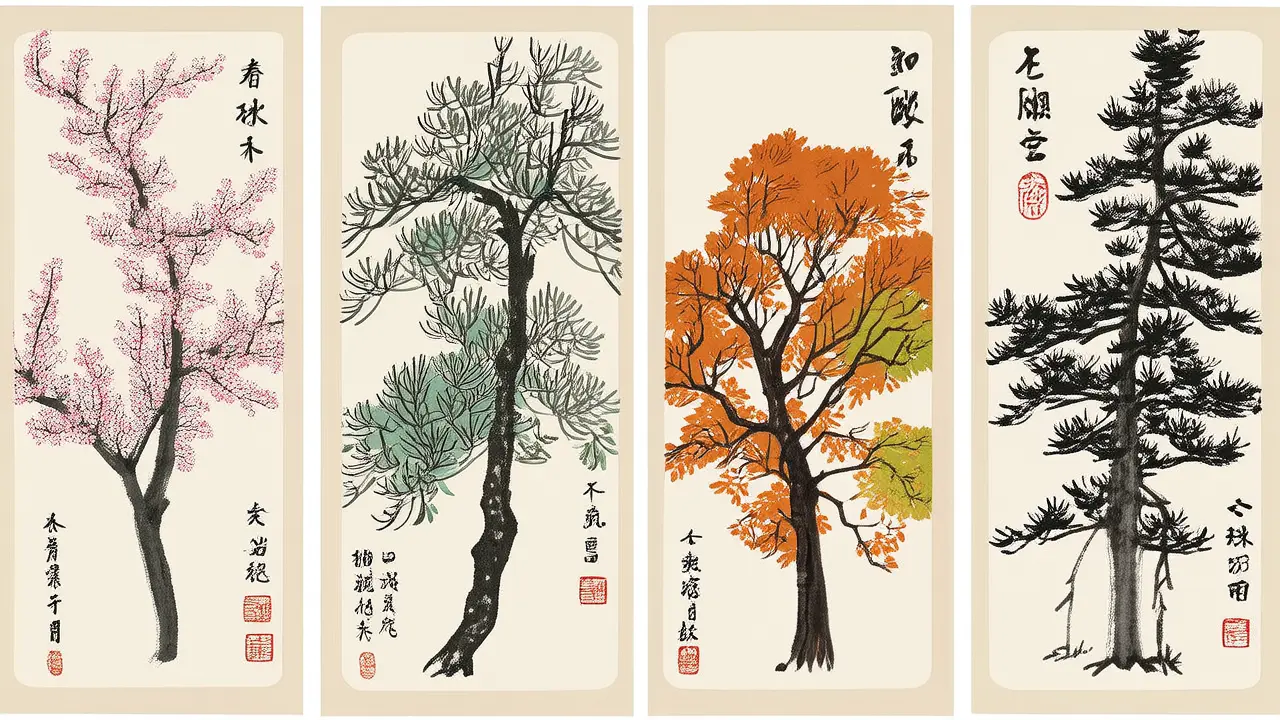
Spring: Promoting Yang Qi and Regulating Liver Function
Spring belongs to wood and corresponds to the liver. Many people tend to feel drowsy and have mood swings in spring, which is a sign of rising Yang Qi inside the body. At this time, it is advisable to go to bed early and get up early, take more walks and outings, allowing the body to gradually "awaken." In terms of diet, eat more sprouts (bean sprouts, fragrant elm) and green leafy vegetables, and avoid overly sour foods. Brush your hair 100 times every morning from front to back with a comb, which helps to unblock the meridians on the head and assist the rise of Yang Qi.
Summer: Nourishing the Heart and Clearing Heat, Appropriate Sweating
Summer is hot, and the heart fire tends to be strong, making people easily irritable and insomniac. Remember not to seek too much coldness - don't set air conditioners too low, and control cold drinks. Take a short nap of 15-30 minutes at noon to nourish the heart and mind. Diet should be light: mung bean soup, winter melon, lotus seeds, and bitter gourd are good choices. Do moderate exercise in the evening to break a sweat, but avoid excessive sweating. Rub the Neiguan point (three fingers above the wrist crease) for 3 minutes daily to clear the heart and relieve irritability.
Autumn: Moisturizing the Lungs and Preventing Dryness, Constricting the Spirit
Autumn has a dry climate, and the lungs are most vulnerable, leading to symptoms like dry mouth, coughing, and dry skin. It is suitable to eat moistening foods such as pears, white fungus, lilies, and honey. Wash your face with cold water in the morning (use warm water if you are sensitive to cold) and massage the sides of the nose to enhance respiratory resistance. Autumn is also a season of retraction; emotionally avoid extreme joy or sorrow, practice deep breathing, and let the mind settle down.
Winter: Storing Essence and Nourishing the Kidneys, Warming Yang and Consolidating the Foundation
Winter is cold and corresponds to the kidneys. At this time, it is advisable to go to bed early and get up late, and start activities after the sun comes up. In terms of diet, eat more root vegetables (such as Chinese yam, sweet potato, radish), as well as warming and nourishing foods like black sesame seeds, walnuts, and mutton. Soak your feet in hot water (around 40°C, for 15 minutes) before going to bed every night, and rub the Yongquan point (the depression in the front one-third of the sole). This helps to guide fire back to its origin and warm the whole body. Winter is not suitable for intense exercise; walking or the Eight Pieces of Silk Qigong is sufficient.
Summary
The core of seasonal nourishment is "conformity" - conforming to nature, not resisting forcefully. Pay attention to the corresponding internal organs in each season, and balance the body through simple diet, sleep, and acupoint massage. After persisting for a year, you will find that your body and mind become more composed and comfortable. Remember: the best way to preserve health is to breathe with the four seasons.