Introduction: Autumn Dryness Harms the Lungs, It's Time to Adjust According to the Seasons
As autumn winds blow, the moisture in the air seems to be quietly drained away. Many people start to feel a dry throat, tight skin, and a dry nose, even coughing dryly from time to time. According to traditional Chinese medicine, the lungs prefer moisture and dislike dryness. In autumn, dryness is prevalent and can easily harm the lungs. Instead of waiting for discomfort to worsen before seeking medical help, it's better to develop a few gentle habits in daily life that can soothe autumn dryness and nourish lung energy, allowing the body to comfortably adapt to seasonal changes.
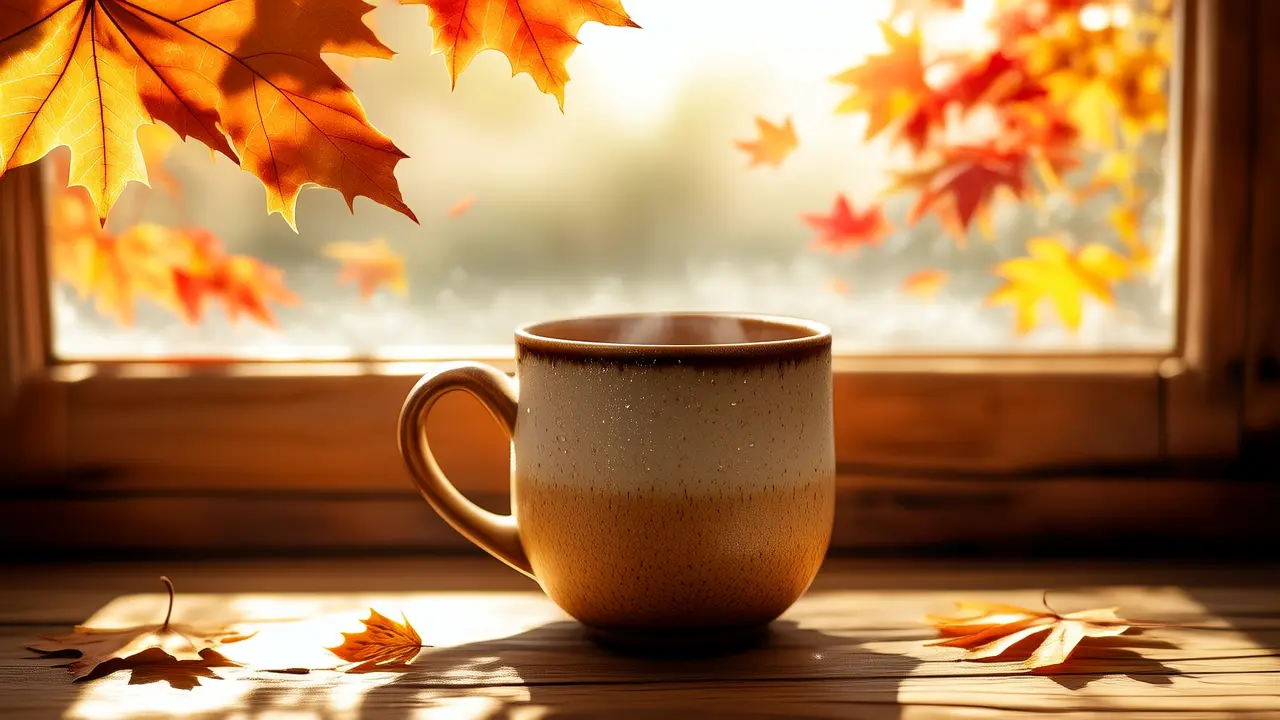
Habit One: A Cup of Warm Honey Water in the Morning
Why Should You Do This?
After a night of sleep, the body is in a slightly dehydrated state, and the lungs also need moisture. Honey has a neutral nature and a sweet taste, entering the lungs, spleen, and large intestine meridians, with effects of moistening dryness, lubricating the intestines, and relieving dry coughs. The Compendium of Materia Medica records that honey "harmonizes the營衛 (nutritive and defensive qi) and moistens the internal organs," making it especially suitable for drinking in the morning during autumn.
Preparation Steps
- Brush your teeth first upon waking up, and don't eat breakfast immediately.
- Take one spoonful of natural mature honey (about 15 grams) and put it in a cup.
- Use water around 40°C (not too hot to touch) to dissolve it, and stir well.
- Drink slowly in small sips, and it's best to drink on an empty stomach.
Principle of Following Nature
Morning is the time when the lung meridian is active (after the hour of the Tiger, but the yang energy begins to rise in the morning). Drinking water helps the lung energy to spread. The sweet and moist nature of honey directly nourishes the lung fluids without damaging the spleen and stomach yang energy like cold water would. After a week of consistency, the dryness in the throat and skin will significantly decrease.
Habit Two: Abdominal Breathing and Lightly Tapping the Lung Shu Point in the Afternoon
Why Should You Do This?
Long periods of sitting or hunching over lead to shallow and rapid breathing, reducing lung capacity and impeding the smooth movement of lung energy. By combining abdominal breathing with acupoint stimulation, you can enhance the lung's rising and falling functions, alleviating chest tightness and dry coughs.
Preparation Steps
- Find a quiet place in the afternoon, sit or stand straight, and let your hands rest naturally on your lower abdomen.
- Inhale slowly through your nose, trying to let your abdomen expand (imagine drawing the breath into the lower dantian).
- Then exhale slowly through your mouth, letting your abdomen contract. One inhalation and exhalation make one breath, doing this six times.
- Next, clench your left hand into a fist and gently tap the upper part of the right back (the area of the Lung Shu point, approximately 1.5 cun lateral to the third thoracic vertebra spinous process), while coordinating with your breathing, tapping 36 times; then switch to the right hand tapping the left side.
Principle of Following Nature
In the afternoon, yang energy gradually declines, making people prone to fatigue. At this time, deep breathing and acupoint tapping can stimulate the circulation of lung meridian qi, helping the lung energy to descend. This reduces autumn fatigue and keeps the nasal and throat areas moist.
Habit Three: A Bowl of Silver Ear and Pear Soup in the Evening
Why Should You Do This?
Autumn is dry, and as evening approaches, yin energy gradually increases, making the lungs prone to dryness and dehydration. Silver ear and pears are classic ingredients for moistening the lungs, and when combined, they can nourish lung yin and ease dry coughs.
Preparation Steps
- 10 grams of dried silver ear, soaked for 2 hours in advance, then torn into small pieces.
- One pear, peeled and cored, cut into small cubes.
- Put the silver ear into a pot, add about 800 ml of water, bring to a boil over high heat, then simmer over low heat for 30 minutes.
- Add the pear cubes and a few red dates (optional), then continue to cook for another 15 minutes.
- After turning off the heat, add a little sugar or honey (depending on preference) after it cools slightly, and consume while warm.
Principle of Following Nature
Silver ear is rich in gelatinous substances, which can "moisten without being greasy"; pears have cooling properties, reduce internal heat, and promote saliva production to quench thirst. Both are white foods, and in traditional Chinese medicine, white corresponds to the lungs. Eating them in the evening can replenish the moisture lost throughout the day without burdening digestion, allowing you to sleep soundly.
Summary: Gentle Adjustment, Keeping the Lungs Comfortable All Autumn
Nourishing the lungs doesn't require expensive supplements or complicated practices. Start the day with a cup of honey water to moisturize, spend a few minutes in the afternoon practicing abdominal breathing and lightly tapping to activate lung energy, and end the day with a bowl of silver ear and pear soup to nourish. These three small habits accompany you from morning to night, gently and effectively. The key is consistency; give yourself some patience, and your body will respond with comfort. When autumn winds blow, you can still maintain a moist throat, steady breathing, and soft skin—this is the wisdom of adjusting according to the seasons to nourish the lungs.