Introduction: The World Has Seasons, and Humans Should Be in Harmony
Traditional Chinese medicine often says "spring is for birth, summer for growth, autumn for harvest, and winter for storage." This is not only the rhythm of nature but also our body's internal clock. If you often feel tired, have trouble sleeping, or feel inexplicably irritable during seasonal changes, you might try gentle Qigong exercises—no complicated movements required, just a few minutes each day to align with the changing seasons and help your body regain balance.
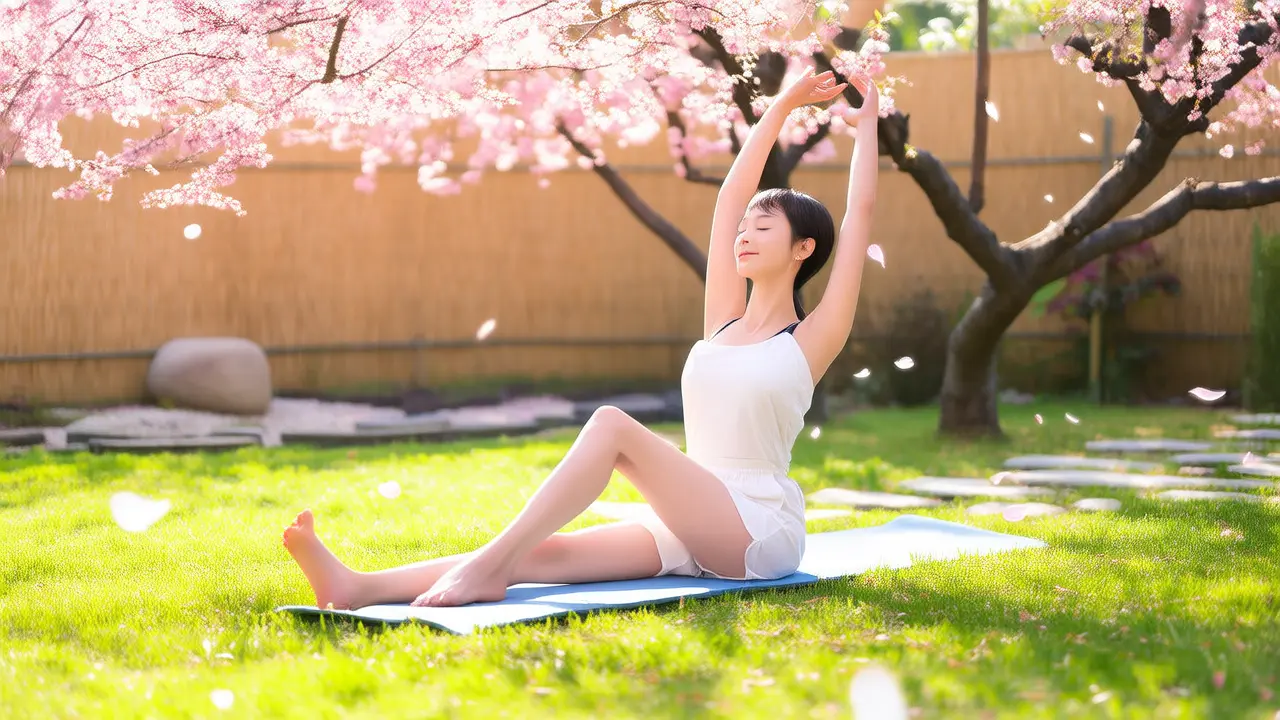
Spring: Soothe the Liver and Stretch to Revitalize the Body
In spring, yang energy rises, but many people feel sleepy and down. This is because the turbid qi accumulated during winter needs to be expelled, and liver qi needs to flow smoothly. Recommend a simple "stretching" Qigong exercise: stand with feet shoulder-width apart, slowly raise both hands above the head with palms facing up while inhaling; then slowly exhale while lowering the hands. Repeat 6 times. This movement can unblock meridians and relieve spring fatigue. Remember to do it in the morning, combine with deep breathing, and feel the breath of spring.
Summer: Calm the Mind and Regulate Breathing to Cool Down and Soothe the Spirit
Summer is hot, making people prone to excessive heart fire, excessive sweating, and insomnia. At this time, we need "calmness" to counteract "heat." Choose a cool morning or evening, sit on a chair, place your hands on your knees, close your eyes, and regulate your breathing. Inhale through your nose for 4 seconds, hold your breath for 2 seconds, then exhale slowly through your mouth for 6 seconds. Repeat this cycle for 5 minutes. This simple breathing technique can calm the mind, reduce irritability, and activate the parasympathetic nervous system by prolonging exhalation, helping the body to cool down.
Autumn: Moisturize the Lungs and Guide Energy to Resist Dryness
Autumn weather is dry, which can lead to coughs, dry skin, and sore throats. At this time, focus on protecting the lungs. You can practice the "Hands Holding Heaven" exercise: stand straight, cross your hands in front of your abdomen, flip your palms upward and slowly raise them to the top of your head while inhaling; then slowly lower your hands from the sides while exhaling and make the sound "xi" (similar to a soft exhalation). Repeat 8 times. This movement helps promote lung qi and moisten the respiratory tract. It's best to do it outdoors or by a window where the air is fresh.
Winter: Warm the Kidneys and Store Essence to Strengthen the Foundation
Winter is cold, making kidney energy prone to deficiency, leading to cold sensitivity, back pain, and frequent nighttime urination. At this time, one should "store" rather than "release." A simple and safe method is "massaging the abdomen to strengthen the kidneys": lie down, place both palms on the navel, gently draw circles clockwise 36 times, then counterclockwise 36 times. Then rub your hands until warm and gently massage the lower back (kidney area) for 1 minute. Do this once in the morning and once in the evening. This exercise promotes blood circulation in the abdomen and waist, gently nourishes kidney energy, and helps store energy for winter.
Summary: Gentle Daily Practice, Healthy Years
Qigong exercises that follow the four seasons don't aim for difficulty but instead accompany the body like a friend. Spend a few minutes each day doing a small movement to relieve seasonal discomfort and make your body more comfortable. Remember: go slowly, better than doing nothing; maintain consistency gently, better than intense efforts. May your four seasons be peaceful and healthy.
Disclaimer: The content of this article is for educational and health reference purposes only and does not constitute medical advice. If you have severe physical discomfort, please seek medical attention promptly. Adjust your practice according to your own condition during exercise to avoid overexertion or improper movements.