Introduction: The Savior for People Who Sit All Day
Waking up in the morning, do your shoulders feel like they're carrying a bag of rice? After sitting at a computer all day, can't turn your neck, and your back of the head feels tight? This is almost a common illness among modern people. Stiff shoulders and neck not only affect work and mood, but may also cause headaches and insomnia. But don't worry, you don't have to go to the gym or need any equipment. Just 15 minutes a day, following a simple set of qigong exercises, can give your shoulders a gentle massage. This method integrates traditional Chinese health preservation wisdom - unblocking the flow of qi and blood, relaxing the body and mind, and regulating breathing, helping you regain comfort from the inside out.
Why Are Shoulders and Neck Prone to Stiffness?

According to traditional Chinese medicine, the shoulders and neck are the essential path for qi and blood to reach the brain. Prolonged低头 (looking down) and hunching over can block meridians and impede the flow of qi and blood, making muscles tense due to lack of oxygen. Qigong, through gentle stretching and breathing coordination, can unblock the flow of qi and blood like clearing a river, removing lactic acid and relieving stiffness.
Three Steps of Simple Qigong
The following three movements each take about 5 minutes, totaling 15 minutes, and can be done in the office or at home.
Step One: Relax Shoulders and Regulate Breathing (5 minutes)
Stand naturally or sit upright, with feet shoulder-width apart and hands naturally hanging down. Inhale slowly while lifting both shoulders toward the ears; exhale and let both shoulders drop suddenly. Repeat 10 times, feeling the rise and fall of the shoulders like waves. Then inhale through the nose and exhale slowly through the mouth, imagining blowing away tension from the shoulders. If you feel aching or soreness in the shoulders, it means the qi and blood are flowing, which is normal.
Step Two: Left and Right Bow (5 minutes)
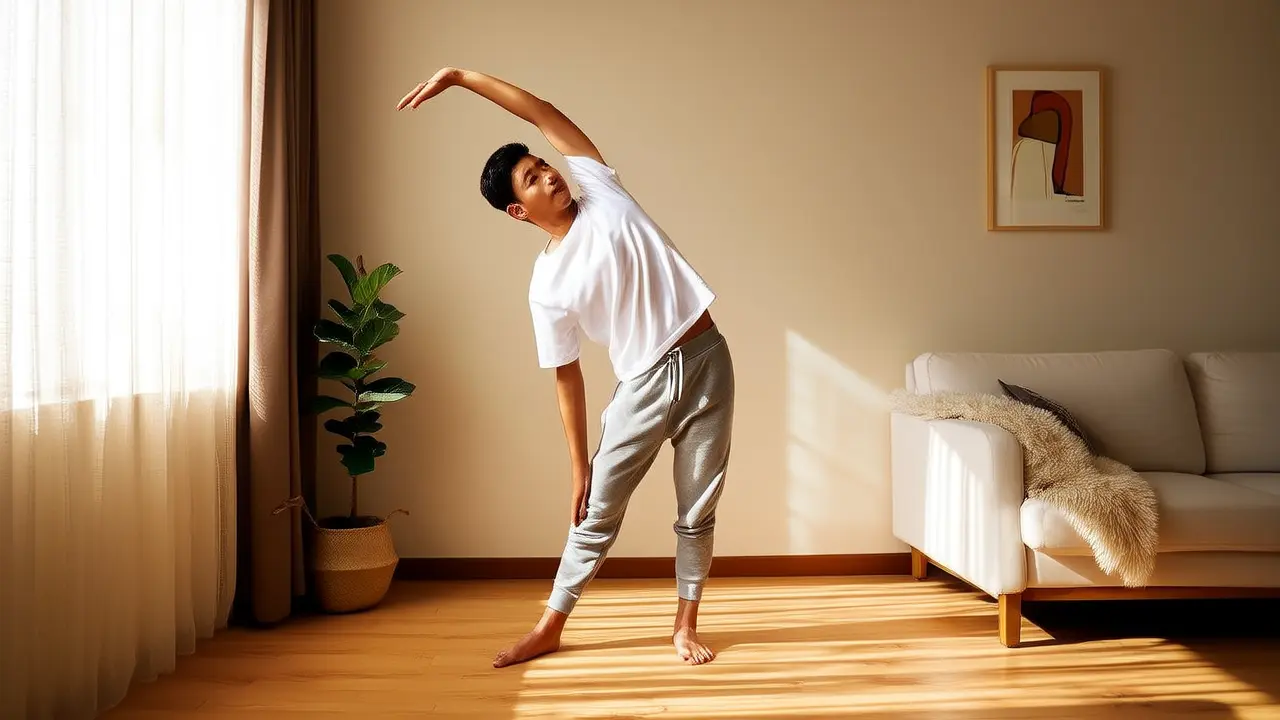
Stand firmly with feet apart, fists clenched in front of the chest (like drawing a bow). Inhale and slowly turn to the right, pushing the right hand forward and pulling the left hand backward, feeling the stretch between the shoulder blades; exhale and return to the center. Then switch to the left side. Do 8-10 times on each side. Be sure to move slowly, coordinate with breathing, and avoid excessive force. This movement opens the chest cavity, stretches the trapezius and rhomboid muscles, and relieves stiffness in the upper back.
Step Three: Conclude and Relax (5 minutes)
Stand straight or sit upright, with hands naturally hanging down. Close your eyes and take three deep breaths. Then gently move your chin in circles: first five clockwise, then five counterclockwise. Finally, cross your hands behind your neck and use your thumbs to press the sides of the back of the neck (near the Fengchi point) for one minute, applying light pressure. Keep a calm and peaceful mind during the conclusion and feel the warmth in your shoulders and neck.
Summary: Light Daily Care Lies in Consistency
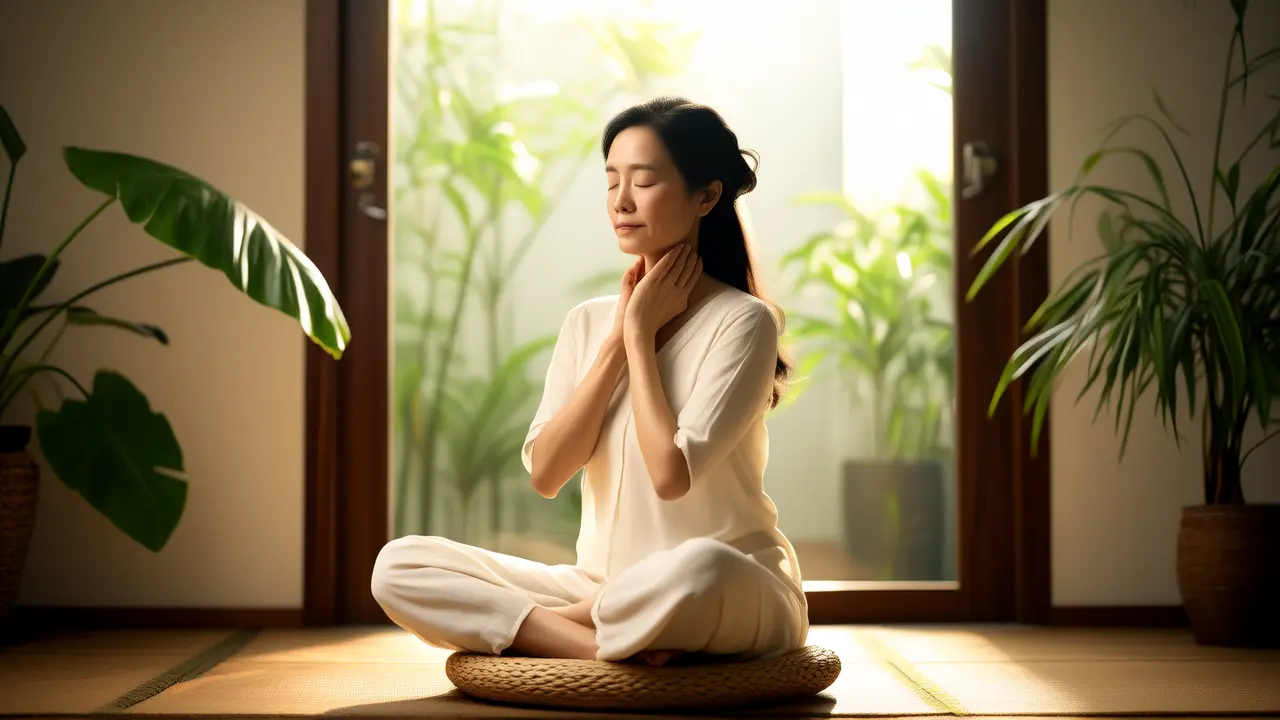
15 minutes every day, after a week of persistence, you will find that turning your neck becomes easier, and your shoulders are no longer as hard as stones. The essence of this simple qigong lies in "balance between movement and stillness" and "calm breathing" - without forcing or overexerting, using gentle mental guidance to lead the body. When you regard it as a daily habit of light self-care, shoulder and neck stiffness will naturally disappear. Remember, health preservation is not a task, but a series of gentle self-care moments.
Disclaimer: The content of this article is for health knowledge popularization only and should not be used as medical diagnosis or treatment advice. If you have severe cervical disease or acute pain, please consult a professional doctor. If you feel uncomfortable during the exercise, stop immediately.