Introduction: The Health Wisdom in a Bowl of Porridge
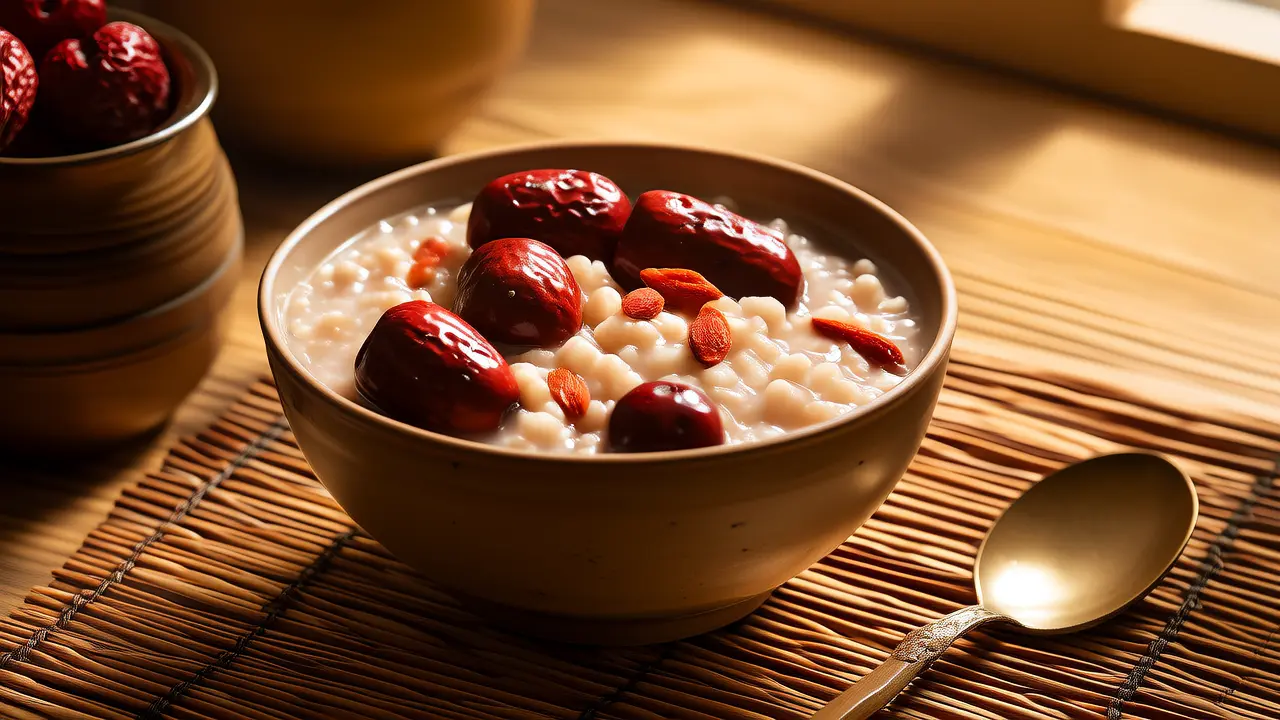
Every morning, a bowl of hot millet porridge with a few red dates can help you start the day full of energy. This simple and mild dietary habit embodies the essence of Chinese balanced diet - building on various grains and adjusting the body according to the changing seasons. Traditional Chinese medicine emphasizes "five grains as nourishment," considering grains as the source of life energy. By combining them with seasonal fruits and vegetables, one can achieve gentle nourishment in daily meals. There is no need for complicated recipes or expensive supplements; by mastering a few small techniques, everyone can easily practice this traditional healthy lifestyle.
Five Grains as Nourishment: Have a "Granary" in Every Meal
"Five grains" generally refer to various cereals such as rice, millet, oats, brown rice, red beans, and green beans. They are rich in dietary fiber, B vitamins, and complex carbohydrates, providing stable energy without causing large fluctuations in blood sugar levels. Daily cooking methods are very flexible: when cooking rice, add a handful of brown rice or millet to white rice, with a ratio of 3:1; for breakfast, cook oatmeal with pumpkin or sweet potato into a thick porridge; for lunch and dinner, replace staple foods with steamed yam or taro. This simple step can make the spleen and stomach more comfortable, especially suitable for those who are prone to fatigue or have weak digestion.
Seasonal Nourishment: The Body Also Needs "Seasonal Recipes"
Adapting to the four seasons is the core concept of Chinese dietary philosophy. In spring, when all things flourish, it's suitable to eat tender sprouts and green leaves (such as spinach and leeks) and a small amount of pungent ingredients (such as ginger) to help yang energy rise; in summer, which is hot and humid, it's advisable to eat more cooling and dampness-eliminating ingredients like winter melon, mung beans, and lotus leaves, which can be cooked into winter melon soup or mung bean and silver ear soup; in autumn, which is dry, pears, lilies, silver ears, and yams are most moisturizing, and a pot of rock sugar pear water can relieve dry mouth and throat; in winter, which is cold, root vegetables (such as radishes and potatoes) combined with warming ingredients like cinnamon and red dates can be cooked into a soup that warms the stomach and spleen. Keep in mind one principle: locally sourced and seasonally available ingredients are usually the most nourishing. When going to the vegetable market, choose seasonal fruits and vegetables more often.
Daily Adjustment Methods: Three Meals Plus a Cup of Tea, Gentle and Simple
You can do gentle adjustments with common household ingredients. For example, when experiencing indigestion or bloating, brew a cup of tangerine peel and ginger tea: take a small piece of tangerine peel and two slices of ginger, pour boiling water over them, let it steep for ten minutes, and drink a small cup after meals to aid digestion. When feeling internal heat and prone to irritability, cook a pot of chrysanthemum and goji berry soup: five white chrysanthemums and ten goji berries, boiled in water for 15 minutes, slightly sweet with a fragrant aroma, which can clear heat and moisten dryness. If you always feel poor sleep and restlessness, drink a small bowl of millet and longan porridge after dinner: 50 grams of millet, six pieces of longan meat, and three pitted red dates, simmered gently for 40 minutes, which can calm the mind and nourish the stomach. These methods use the most common ingredients, with no adverse effects. However, remember to adjust the dosage according to personal feelings; continue if it feels suitable, and stop if not.
Summary: Return to Nature, Eat for Balance
The Chinese balanced diet is not a set of strict rules, but a lifestyle attitude of living in harmony with nature. Eat more grains every day, choose seasonal ingredients based on the weather and your body's feelings, and use simple cooking methods to preserve the original flavor of food. You will find that the best adjustment lies within your daily meals. There is no need to excessively pursue novelty or effectiveness; as long as you persist in gentle, balanced, and seasonal eating, your body will naturally feel this thoughtful nourishment.