Introduction: Dietary Wisdom in Harmony with Nature
In today's fast-paced life, people often overlook the subtle signals from their bodies. Traditional Chinese nutritional science emphasizes "correspondence between heaven and humanity," believing that human health is closely related to seasonal climate changes. Adjusting your diet according to the seasons can gently nourish internal organs and prevent discomfort caused by seasonal changes. This article will share a simple and practical home health care method to help you achieve balance and vitality through daily meals.
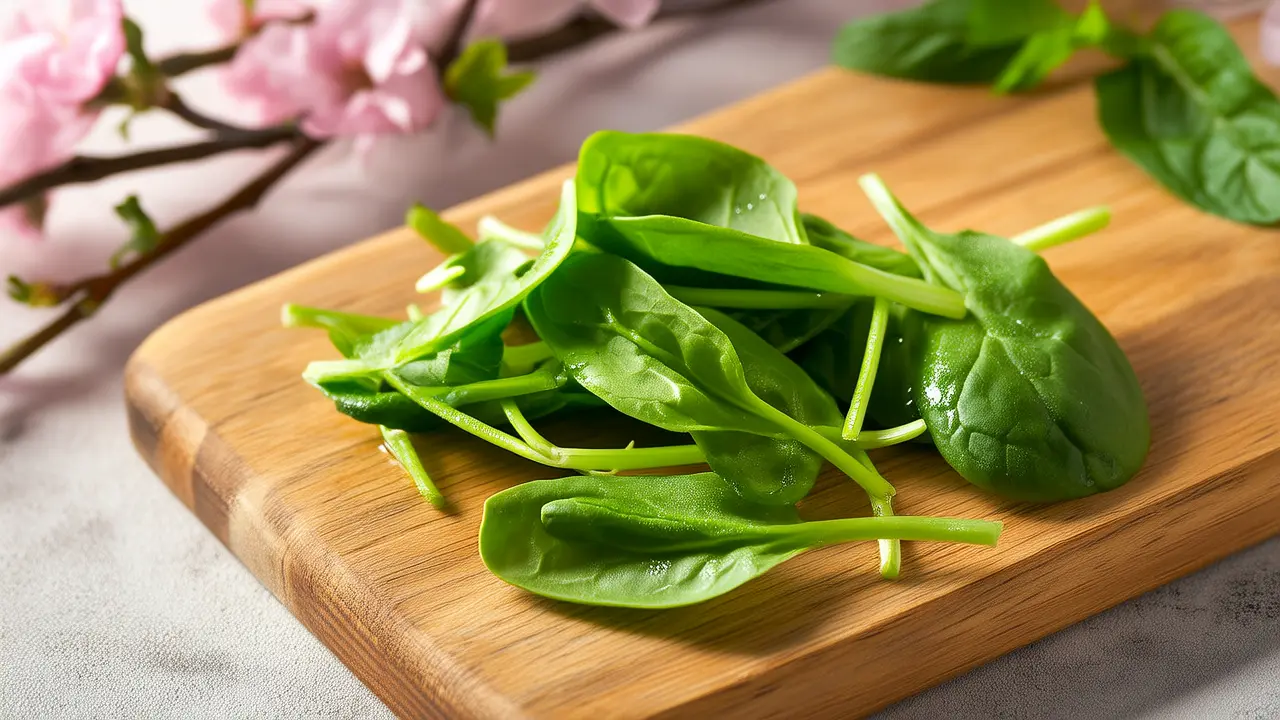
Spring Growth: Soothing the Liver and Eating More Sprouts
Spring belongs to wood and corresponds to the liver. At this time, all things revive, and the body's yang energy begins to rise. The diet should follow the principle of "soothing the liver and promoting yang energy." It is recommended to eat sprouts like bean sprouts and Chinese toon, as well as green leafy vegetables such as spinach and shepherd's purse. These ingredients are rich in fiber and vitamins, which help the liver detoxify and relieve irritability and fatigue common in spring. A recommended home dish is stir-fried mung bean sprouts with a little vinegar, which helps to regulate qi and is refreshing.
Summer Heart Care: Cooling and Damp-Removing, Using Cucumbers and Beans Wisely
Summer is hot and humid, and heart fire tends to be excessive. The diet should be light, focusing on "cooling, removing dampness, and nourishing the heart." Winter melon, bitter melon, watermelon rind, and red adzuki beans are good choices. Drinking water boiled with winter melon peel can remove skin stickiness caused by summer heat and humidity. Additionally, adding rock sugar to mung bean soup can cool the heart and relieve summer heat. Be careful to avoid cold drinks that may harm the spleen and stomach.
Autumn Moisture Protection: Nourishing Yin and Moistening Lungs, Eating More White Foods
Autumn belongs to metal, and the lung energy dominates. Autumn dryness easily harms body fluids, causing dry coughs and dry skin. White foods enter the lungs; therefore, silver ear fungus, lily, pear, and Chinese yam are recommended. Soak the silver ear fungus, then simmer it together with lily and diced pears, adding a bit of rock sugar, making a moistening lung soup. Eating it twice a week can gently improve dry mouth, dry tongue, and itchy nose and throat.
Winter Essence Storage: Warming and Nourishing Kidney Yang, Making Good Use of Root Vegetables
Winter is the season of storage, and kidney energy is strongest. The diet should follow the principle of "warming and nourishing the kidneys." It is advisable to eat root vegetables such as radishes, potatoes, and Chinese yam, as well as lamb and walnuts. A common dish of radish and lamb soup can keep you warm and resist the cold without being too heating. Note that over-supplementation should be avoided to prevent internal heat.
Summary: Seasonal Adjustment, the Key Lies in Perseverance
Traditional Chinese nutrition emphasizes "the same origin of medicine and food." There is no need for complicated cooking; simply choosing fresh ingredients during the appropriate season and using simple cooking methods can achieve gentle nourishment. Remember one core principle: drink more water, regularly drink tea, eat until seven-tenths full, and follow the changes of the seasons. Your body will naturally reward you with long-term health and comfort.
Disclaimer: This article is for sharing traditional Chinese health care knowledge only and does not constitute medical advice. If you have severe discomfort, please seek medical attention promptly.