Introduction
After a busy day, do you feel stiff in your shoulders and neck, and tense all over? Qigong, a gentle exercise originating from China, requires no equipment or going out, and can help unblock the flow of qi and blood, and relax your body and mind. The following five simple movements are specifically designed for absolute beginners, safe and risk-free. Spend just a few minutes each day at home, and you can enjoy relaxation and calmness.
1. Arm Swinging to Relieve Shoulder Tension - Release Pressure on Shoulders and Back
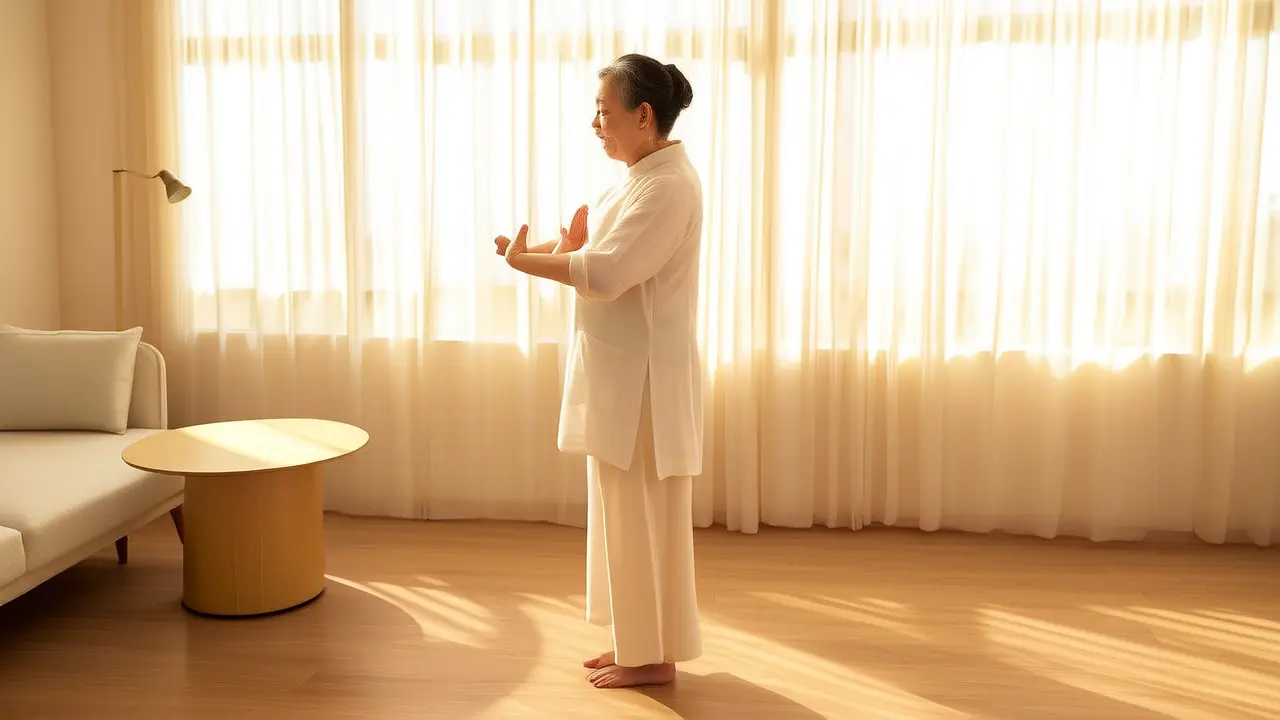
Recommended for: People who sit for long periods and have shoulder and back pain. Action: Stand with feet shoulder-width apart, arms naturally hanging down. Slowly swing arms forward and backward in circles, starting small and gradually increasing the range, like willow branches swaying in the wind. Breathing: Exhale when swinging forward, inhale when swinging backward. Principle: By slowly moving the arms, it activates the shoulder joints and back muscles, unblocks the three yang meridians of the hands, relieves stiffness, and promotes the circulation of qi and blood.
2. Lifting Hands to Regulate Breath - Stretch the Chest and Abdomen, Calm the Mind
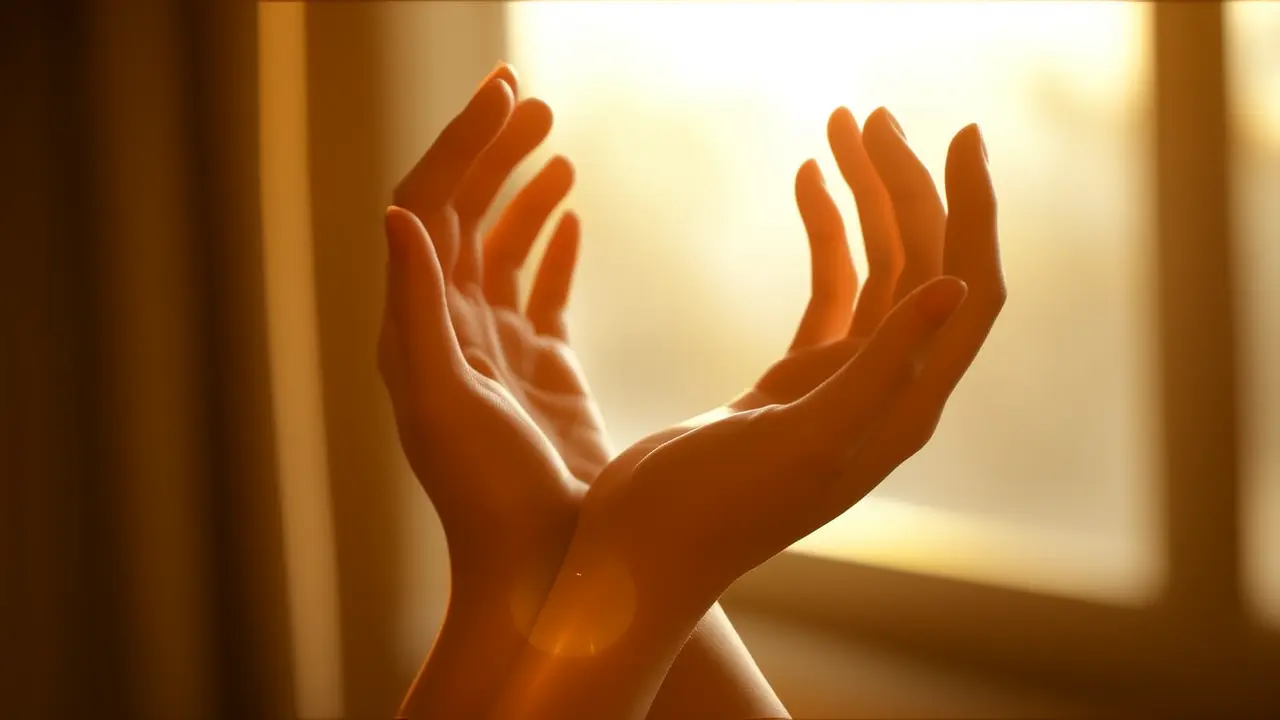
Recommended for: People with chest tightness, shallow breathing, and prone to anxiety. Action: Slowly raise both hands from the sides of the body to the top of the head, palms up, as if lifting the sky. At the same time, slightly lift the toes, hold for 3 seconds, then slowly lower the hands. Breathing: Inhale when raising the hands, exhale when lowering them. Principle: Expanding the chest cavity, stretching the abdomen, promoting deep breathing, activating the body's yang energy, and helping to calm emotions.
3. Waist Rotation and Hand Swing - Gently Adjust the Waist
Recommended for: People who suffer from lower back pain due to prolonged sitting or poor digestion. Action: Stand with feet apart, hands on the waist. Rotate the upper body slowly around the waist, making circular motions to the left, back, right, and front. Five circles in each direction. Breathing: Inhale when turning backward, exhale when turning forward. Principle: Massaging the belt meridian and abdominal organs, promoting intestinal movement, relaxing the lumbar vertebrae, achieving the health benefits of "calmness through movement."
4. Golden Rooster Standing on One Leg - Balance Body and Mind, Guide Qi Back to Origin
Recommended for: People with difficulty concentrating and cold feet. Action: Hold onto a wall or chair back, slowly lift one foot, placing the sole against the inner side of the other leg. Keep the body upright, close your eyes and feel the center of gravity. Hold for 15 seconds on each side. Breathing: Breathe naturally, trying to make it deep and even. Principle: This posture activates the kidney meridian, guiding the qi downward, while also improving balance, allowing the mind to return to tranquility.
5. Cupping Qi to the Top of the Head - Conclude the Practice, Nourish the Spirit, Comfort the Whole Body
Recommended for: As a concluding step after performing the above movements. Action: Slowly raise both hands from the sides of the body over the head, imagining holding warm qi, then slowly guide it from the top of the head, face, chest, and abdomen to the lower abdomen (dantian), repeating five times. Breathing: Inhale when cupping the qi, exhale when guiding it. Principle: Collecting scattered qi back into the dantian, which helps to calm the mind and consolidate the effects. This is a crucial step in qigong practice known as "concluding the session."
Summary
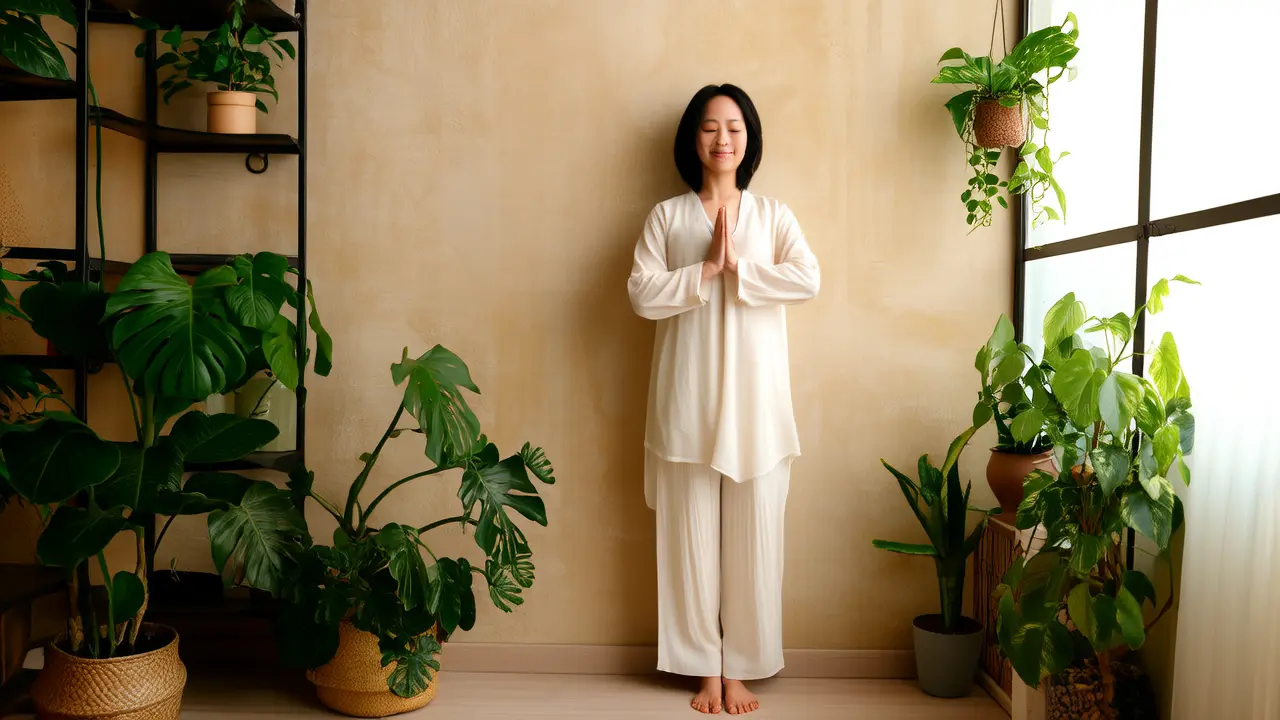
These five gentle qigong exercises are easy to learn, each taking only 1-2 minutes. Spend 10 minutes each day at home, combined with steady breathing, and you can unblock meridians and relax your body and mind. Remember: movements should be slow, breathing even, don't pursue perfection, just seek comfort. With regular practice, you will find your body feels lighter and your sleep improves better.
Disclaimer: The content of this article is for reference only for health and wellness purposes and cannot replace professional medical advice. If you have serious health issues, please consult a doctor. If you feel uncomfortable during practice, stop immediately.