Introduction: A Warm Cup to Protect You in Winter
In the cold winter days, nothing is more cherished than a steaming cup of ginger tea. It not only brings warmth from the inside out, but also serves as a gentle natural therapy that helps alleviate symptoms such as nasal congestion, headaches, and cold hands and feet caused by cold exposure. Since ancient times, ginger has been praised as a model of "food and medicine with the same origin" and holds an important place in traditional Chinese medicine. Today, we will discuss the three gentle benefits of ginger tea in relieving wind-cold, helping you easily get through the cold winter.
Benefit One: Dispel Surface Cold and Quickly Warm Up
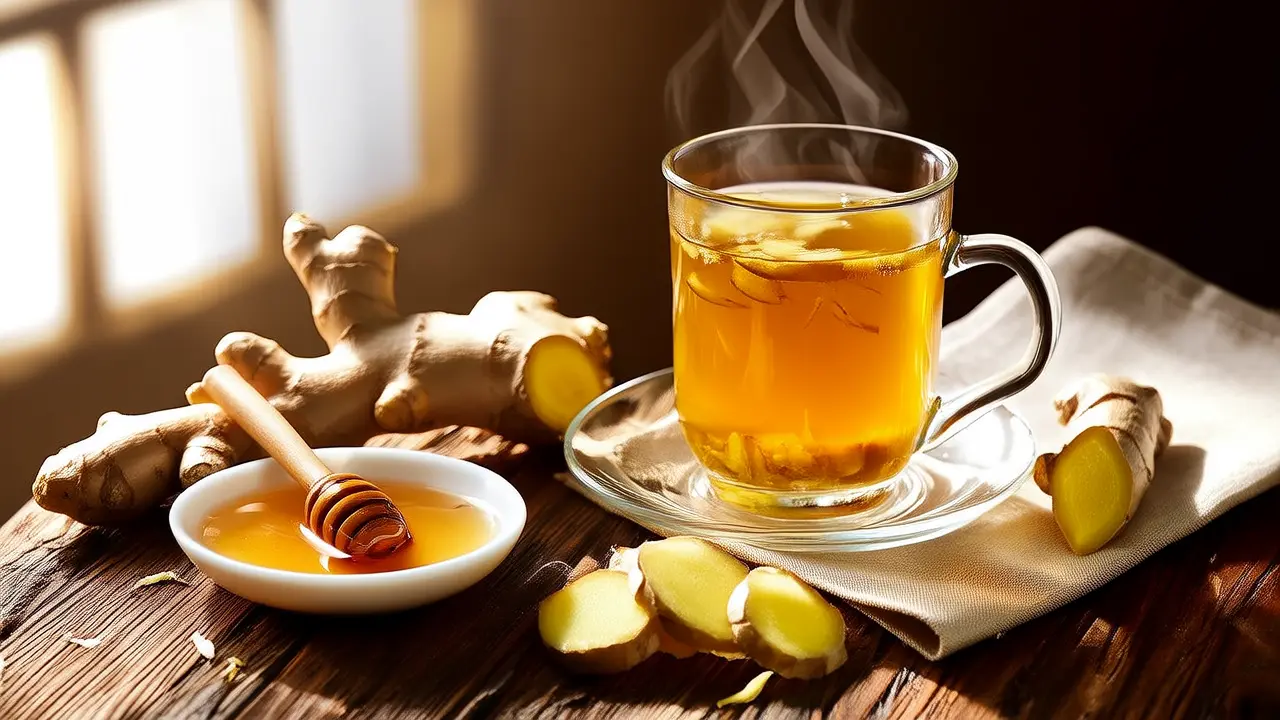
When cold air invades the body, blood vessels contract and blood circulation slows down, making people prone to cold hands and feet and shivering. The gingerol in ginger has the property of inducing sweating and dispelling external pathogens, which can promote the expansion of capillaries and accelerate blood flow, thus eliminating surface cold. After drinking a warm cup of ginger tea, you can soon feel your back slightly sweaty, and the coldness disappears completely.
Benefit Two: Alleviate Early Symptoms of a Cold
At the beginning of a wind-cold感冒, common symptoms include nasal congestion, clear runny nose, headache, and itchy throat. Ginger tea can gently stimulate the respiratory tract mucosa, help dilute phlegm, and relieve nasal congestion. At the same time, its anti-inflammatory properties can ease mild sore throat. When combined with brown sugar or honey, not only does the taste improve, but it also provides energy and enhances physical strength.
Benefit Three: Regulate the Spleen and Stomach, Enhance Digestive Function
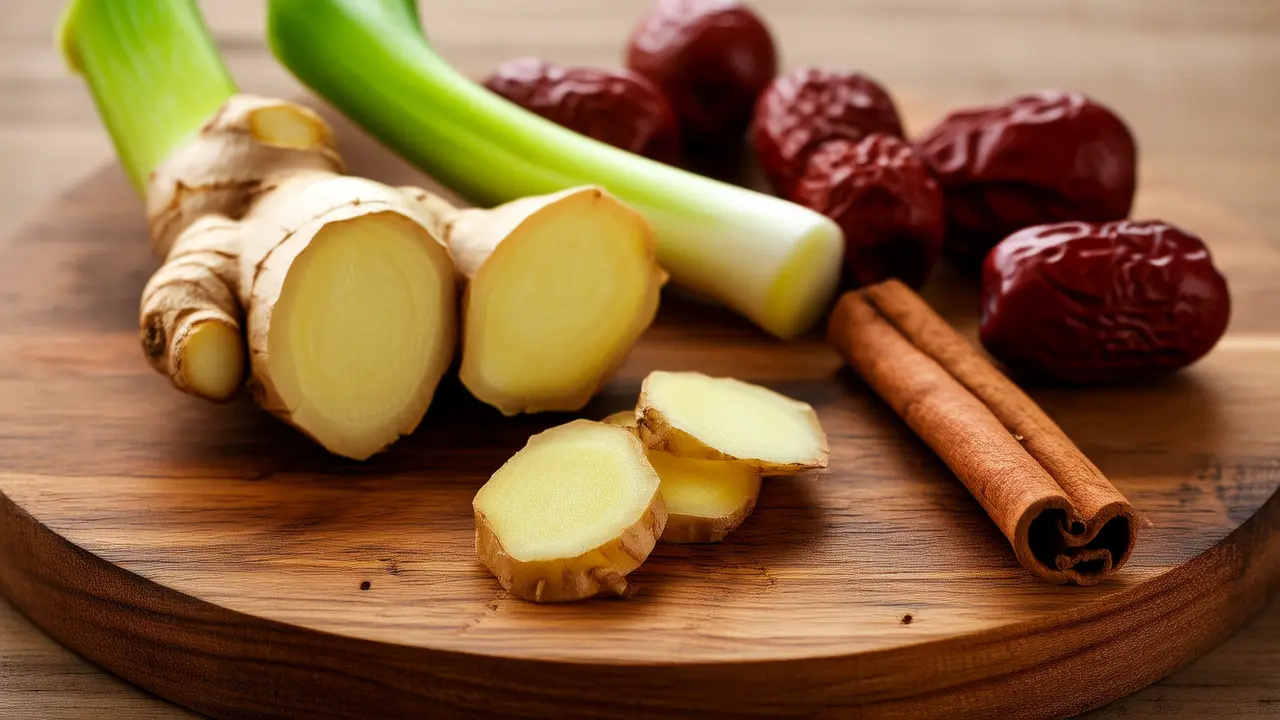
In winter, people often have increased appetite, but the function of the spleen and stomach can weaken due to the cold, leading to bloating and indigestion. Ginger tea can warm the middle jiao and promote gastric juice secretion, helping food be better digested and absorbed. For the common "cold stomach" symptoms in winter - abdominal pain and diarrhea after eating something cold, ginger tea is an excellent health drink.
How to Make the Perfect Cup of Ginger Tea?
- Ingredients: 3-5 slices of fresh ginger (about 10 grams), 2 red dates (optional), and an appropriate amount of brown sugar or honey.
- Method: Thinly slice the ginger slices, put them together with the red dates into a cup, pour boiling water over them, cover and steep for 5-10 minutes. Once the water cools down to below 60°C, add brown sugar or honey and stir well.
- Tip: For people with a hot constitution or those who are prone to heatiness, you can add a few chrysanthemum flowers to balance the warming properties.
Summary: Home Health Care in Accordance with the Seasons

Ginger tea is not a medicine and cannot replace proper treatment, but it is a safe and gentle way of daily nourishment. Drinking a cup in the early morning winter or after being exposed to cold can not only warm your body and prevent illness, but also regulate your spleen and stomach, in line with the concept of traditional Chinese medicine's "adjusting according to the four seasons." With regular consumption, you will find that your body's resistance to cold gradually increases.
Disclaimer: The content of this article is for health knowledge popularization only and does not constitute medical advice. If you have severe cold symptoms or persistent discomfort, please seek medical attention promptly.