Introduction: Give Yourself a Gentle Hug One Minute Before Bedtime
After a busy day, do you often feel tense shoulders, back pain, or have trouble falling asleep? Actually, you don't need complex tools. Just your hands and a few simple "energy points" can help you relax gently before bedtime. This method originates from traditional health preservation concepts, using light pressure on specific areas to unblock meridians, balance qi and blood, and bring your body back to a calm and comfortable state.
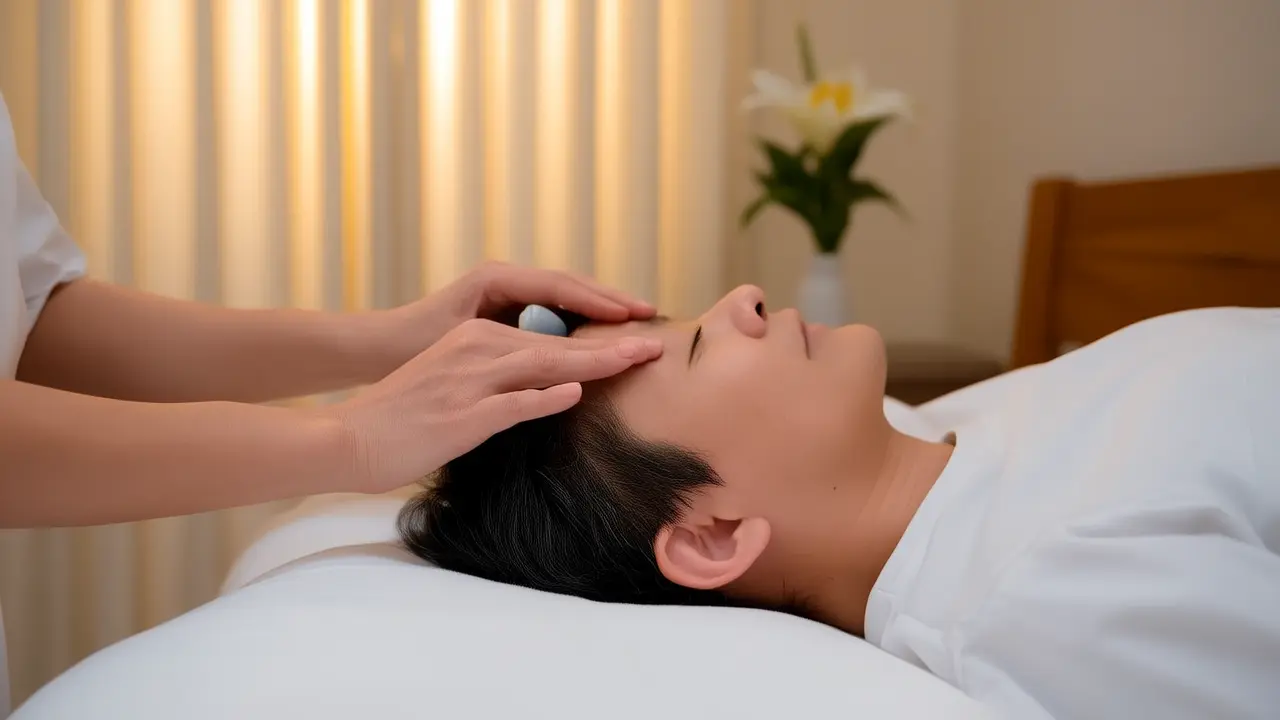
What is Energy Point Massage?
Energy point massage (also known as acupressure) is a non-invasive self-regulation method. It is based on the theory of meridians in Traditional Chinese Medicine - the pathways through which qi and blood circulate in the body. Energy points are the key "switches" along these pathways. By gently pressing them, you can relax tense muscles, relieve mental stress, and it's especially suitable for doing before bedtime. The entire process is painless and safe, requiring only a few minutes to prepare for your sleep.
Three Core Energy Points and Self-Administration Techniques
1. Baihui Point: The "Soothing Switch" on the Top of the Head
Location: In the center of the top of the head, at the midpoint between the two ear tips.
Technique: Gently press with the fingertip of your index or middle finger until you feel a slight soreness and distension. Combine with deep breathing, press for 5 seconds starting lightly and gradually increasing the pressure, then release. Repeat 10 times.
Principle: Baihui is where all yang meridians meet. Pressing it can guide qi downward, helping the brain to calm down, and relieve headaches and anxiety.
2. Yongquan Point: The "Sleep Key" on the Sole of the Foot
Location: On the front third of the sole, the depression when curling the foot.
Technique: Before bedtime, use your thumb to push and press the Yongquan point from the heel towards the toes, for 2 minutes per foot, with a force that feels warm and comfortable.
Principle: Yongquan is the starting point of the Kidney Meridian. Stimulating it can guide fire back to its origin, preventing insomnia caused by "excess fire rising", and also improve cold feet and soreness in the waist and knees.
3. Hegu Point: The "Stress Relief Valve" on the Back of the Hand
Location: On the back of the hand, at the highest point of the muscle when the thumb and index finger are brought together.
Technique: Use the thumb of the other hand to press vertically, combining with breathing, press for 3 seconds then release. Do 10 times for each hand.
Principle: Hegu belongs to the Large Intestine Meridian, regulating qi and blood in the head and face, relieving headaches, toothaches, and stiffness in the shoulders and neck, and is a crucial acupoint for pain relief throughout the body.
The Gentle Adjustment Principle of Pre-Bedtime Massage
All these techniques follow a core principle: by gently stimulating, the stagnant qi and blood can flow again. TCM states "if there is no blockage, there is no pain." When meridians are unobstructed, stiffness and fatigue naturally dissipate. At the same time, combining pressure with deep abdominal breathing can activate the parasympathetic nervous system, allowing the body to enter a "relaxation mode," paving the way for high-quality sleep. The entire process does not require strong pressure or rubbing, and the sensation should be "soreness, numbness, and distension." Avoid using force.
Summary: Make "Light Pressing Before Sleep" a Habit
Spending 5 minutes every night pressing these three energy points - Baihui, Yongquan, and Hegu - you may find that you fall asleep faster, wake up fewer times during the night, and feel lighter when you wake up in the morning. This self-help technique doesn't rely on medication, is safe, and can be done anytime, anywhere. Consistently practicing it will not only improve your current fatigue but also bring long-term peace and comfort.
Disclaimer: The content of this article is for reference only and does not constitute medical advice. If you have serious diseases or discomfort, please seek medical attention promptly.