Introduction
Do you feel like your shoulders are carrying a heavy stone and your back is stiff and difficult to move, after sitting long hours at work or looking down at your phone every day? Don't rush to go to a massage parlor; try the "Starting Posture" movement from Tai Chi — this is the most basic Tai Chi move, requiring no equipment, and can be done at home. Just a few minutes can help unblock your qi and blood circulation, relax your body and mind, and gradually stretch your body.
A Simple Technique: Tai Chi Starting Posture (Opening and Closing Breathing)
Who is it suitable for?
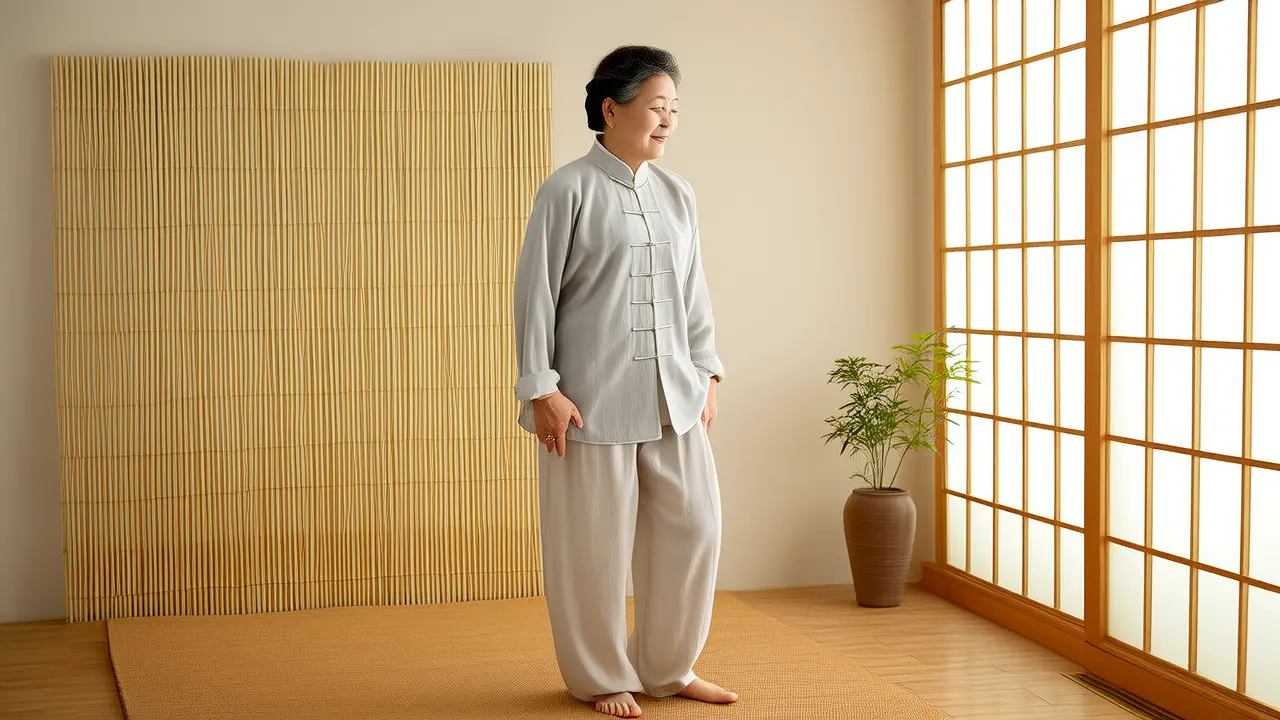
People who have been hunched over desks for long periods, experiencing shoulder and neck tension, lower back pain, or feeling their bodies are "stiff." Especially suitable in the morning after waking up or during lunch breaks when feeling stiff all over and mentally sluggish.
How to do it: Follow these 4 steps
- Preparation posture: Stand naturally with feet shoulder-width apart, knees slightly bent but not locked; hands hanging by the sides of the body, palms facing inward; chin slightly retracted, as if there's a thread gently pulling the top of the head upward. Keep breathing steady.
- Starting Posture (Inhale): Breathe in slowly while raising both hands from the sides forward and upward, palms facing downward, fingertips pointing toward each other, until reaching shoulder height, feeling like the arms are being supported by water. Note: Do not lift the shoulders, keep them relaxed.
- Closing Posture (Exhale): Breathe out slowly while bending the elbows, palms facing inward, slowly pressing down as if gently closing a balloon in front of the chest, finally returning to the sides of the body. The entire movement should be slow, feeling the breath sinking from the chest cavity to the abdomen.
- Repeat: Perform 8~10 times continuously, each time coordinating with breathing. After finishing, remain standing naturally, close your eyes and stay still for 10 seconds, feeling the slight warmth in the body and the loosening of the joints.
Key Points for Breathing Coordination
Breathe in through the nose and out through the mouth (or breathe in and out through the nose). When inhaling, the abdomen slightly swells; when exhaling, the abdomen contracts inward. There is no need to deliberately control the length of breathing, just natural and deep breathing. If you feel short of breath, slow down the movement pace.
Mild Adjustment Principles (Traditional Chinese Health Tips)
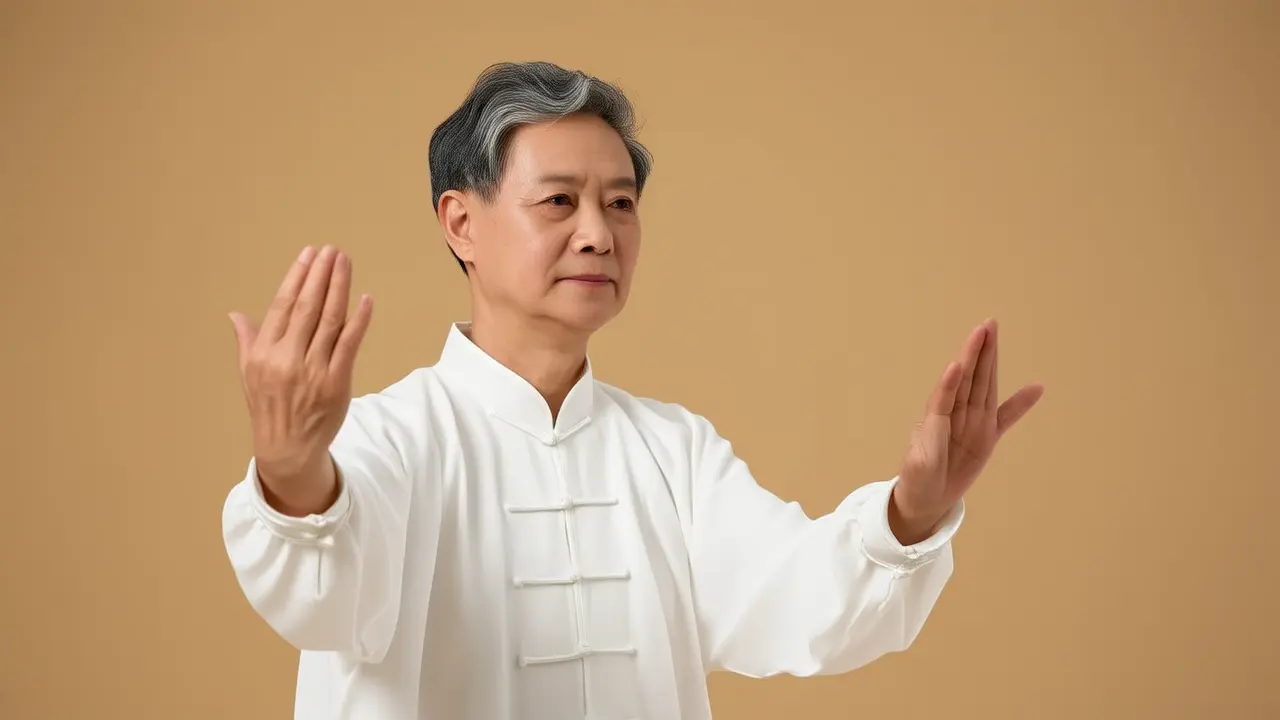
The Tai Chi starting posture may seem simple, but it actually aligns with the health wisdom of "balance between movement and stillness, and harmonious breathing." By slowly opening and closing the arms, it activates the fascia of the shoulders, back, and waist, making them slightly stretch like springs, promoting the flow of qi and blood in the meridians, and relieving "qi stagnation and blood stasis" caused by prolonged sitting. Combined with abdominal breathing, it regulates the autonomic nervous system, relaxes tense muscles, especially the trapezius and erector spinae muscles. With consistent practice, you will find that daily movements such as bending over, turning around, and lifting your head become easier, subtly enhancing your sense of comfort. This is "light daily care" — spend a few minutes each day to gently unblock your body.
Summary
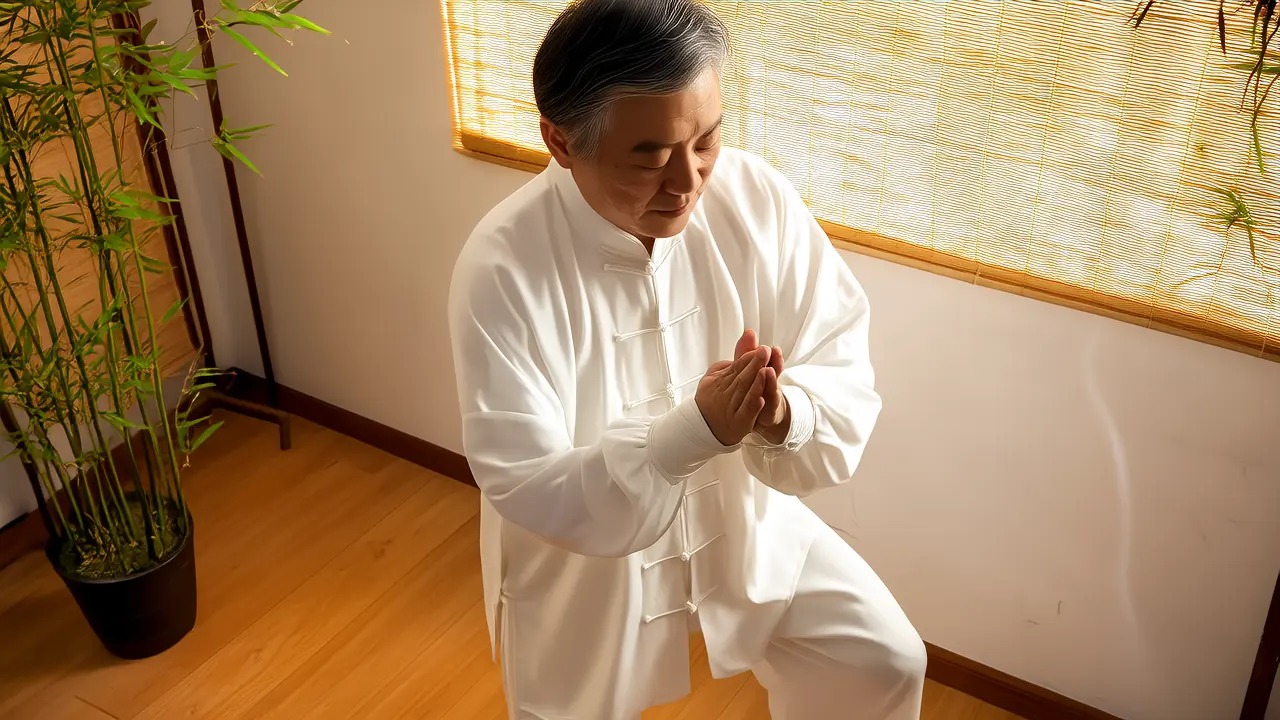
The basic Tai Chi movement "Starting Posture" does not require you to remember complex routines; by repeatedly practicing opening and closing breathing, you can gradually restore flexibility to a stiff body. Spend 3~5 minutes each day doing a few rounds, and after a week of consistent practice, you might be pleasantly surprised to find that your shoulders are no longer so heavy, and your walking has more elasticity. Remember, gentle, continuous, and relaxed practices are more beneficial than intense exercise.
Disclaimer: This article is for reference only regarding health knowledge and cannot replace professional medical advice. If you experience severe pain or physical discomfort, please consult a doctor or physiotherapist promptly. If you feel uncomfortable during the exercise, stop immediately.