Quote: The Warming Essentials in the Kitchen
Every time the seasons change, do you feel a bit uncomfortable? In spring, there's dampness; in summer, poor appetite; in autumn, dryness and coughing; in winter, cold hands and feet. Actually, just by entering the kitchen and opening the spice jar, you can find a gentle way to regulate your body. Spices like ginger, cinnamon, star anise, and pepper hold a significant place in traditional Chinese dietary therapy, as they are considered both food and medicine. They not only add fragrance to dishes but also gently harmonize the spleen and stomach and adapt to seasonal changes through daily diet. Below are four simple and practical ways to use warming spices in each season.
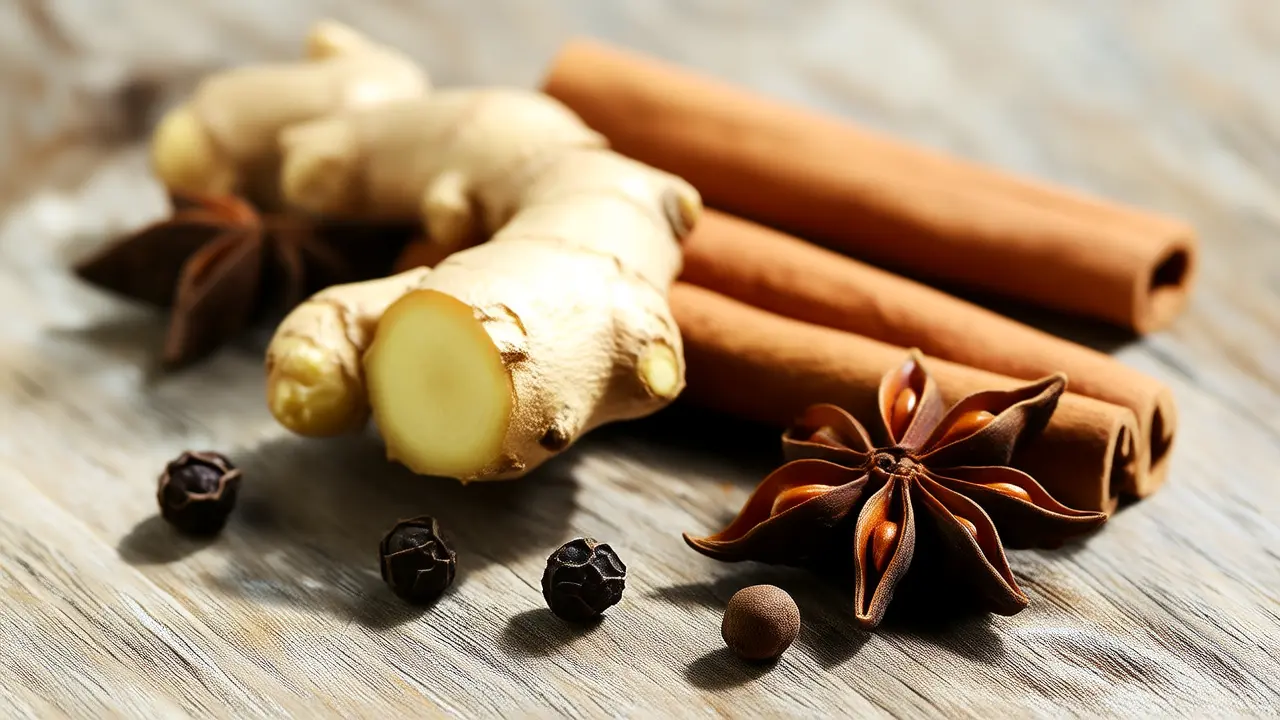
Spring: Ginger Helps to Invigorate and Remove Damp-Cold
In spring, temperatures rise, but there is more rain, making people prone to fatigue and thick tongue coating. Ginger is warm in nature and can induce sweating, dispel exterior pathogens, and remove cold-damp. Each morning, slice 2-3 pieces of ginger, add rock sugar, and brew with hot water. Let it steep for 5 minutes before drinking. Those who don't like spiciness can add a few pitted dates. This ginger and date tea can gently awaken the spleen and stomach, helping to expel the cold accumulated during winter. Note that it's best not to drink too much in the afternoon, as it may affect sleep.
Summer: Cinnamon Warms the Middle Jiao and Stimulates Appetite
During summer's heat, many people eat cold things to cool down, leading to cold spleen and stomach and loss of appetite. Cinnamon is very hot in nature and can warm the middle jiao and aid digestion. The simplest method is to add a small piece of cinnamon stick (about 3 cm) when boiling mung bean soup or silver ear soup. Alternatively, mix cinnamon powder with honey to make a paste and spread it on whole wheat bread. The sweet aroma of cinnamon can relieve summer fatigue and avoid cold-induced stomach damage. Note that cinnamon should be used in small amounts, about 1-2 grams at a time.
Autumn: Star Anise Moisturizes and Warms the Abdomen
Autumn air is dry, making people prone to dry coughs and itchy skin. Star anise (big料) is warm in nature and has the effect of dispelling cold and regulating qi, making it especially suitable for use in stews or soups. For example, stew a soup with star anise, Sichuan pepper, tangerine peel, and lean meat, which warms the abdomen without being too hot. Another tip: break star anise into pieces and brew them with honey and lemon slices to relieve throat dryness caused by autumn dryness. Star anise has a strong flavor, so 1-2 pieces per dish are enough.
Winter: Pepper Warms the Kidneys and Drives Away Cold
In winter, there's heavy cold, causing cold pain in the waist and knees and easy catching colds. Pepper (black or white) is hot in nature and can warm the middle jiao, dispel cold, and reduce phlegm. Every night before bed, mix half a spoon of white pepper powder with one spoon of rock sugar, pour into 200 ml of hot water, stir well, and drink while hot. Alternatively, sprinkle black pepper powder when making lamb soup or chicken soup. The spicy aroma of pepper can quickly warm up the body. Note that those with a hot constitution should use it in small quantities.
Summary: Gentle Wisdom to Follow the Seasons
From ginger to cinnamon, from star anise to pepper, these common kitchen spices are actually the best companions for dietary therapy. There's no need for complicated combinations; simply add a little cleverly to your daily meals, and you can help your body adapt to seasonal changes. The key is "clever usage": adjust the type and amount according to the season, with the premise of being gentle and non-irritating. Remember, the core of the concept of medicine and food being the same is long-term, moderate nourishment, not treating emergencies. Consider these warming spices as part of your daily seasoning, turning the dining table into your best scene for health maintenance.
Disclaimer: This article is for educational purposes only and does not constitute medical advice. If you have obvious physical discomfort, please consult a professional physician promptly. Individual constitutions vary; it is recommended to try a small amount before use.